Let's start with what dissociation actually does to pleasure
Here's the thing: your body isn't broken. Your nervous system is working exactly as it's designed to. When you're stressed, traumatized, or in chronic pain, your brain literally disconnects you from physical sensation as a survival mechanism. It's protective. It's also the reason touching yourself feels like you're operating someone else's body from a distance.
That floating feeling. The numbness. The sense that sensation is happening to you, not with you. That's dissociation, and it's wildly common. And the confusing part? Traditional foreplay or even partnered sex doesn't break through it. You need something specific. You need targeted, intense stimulation that forces your nervous system to pay attention.
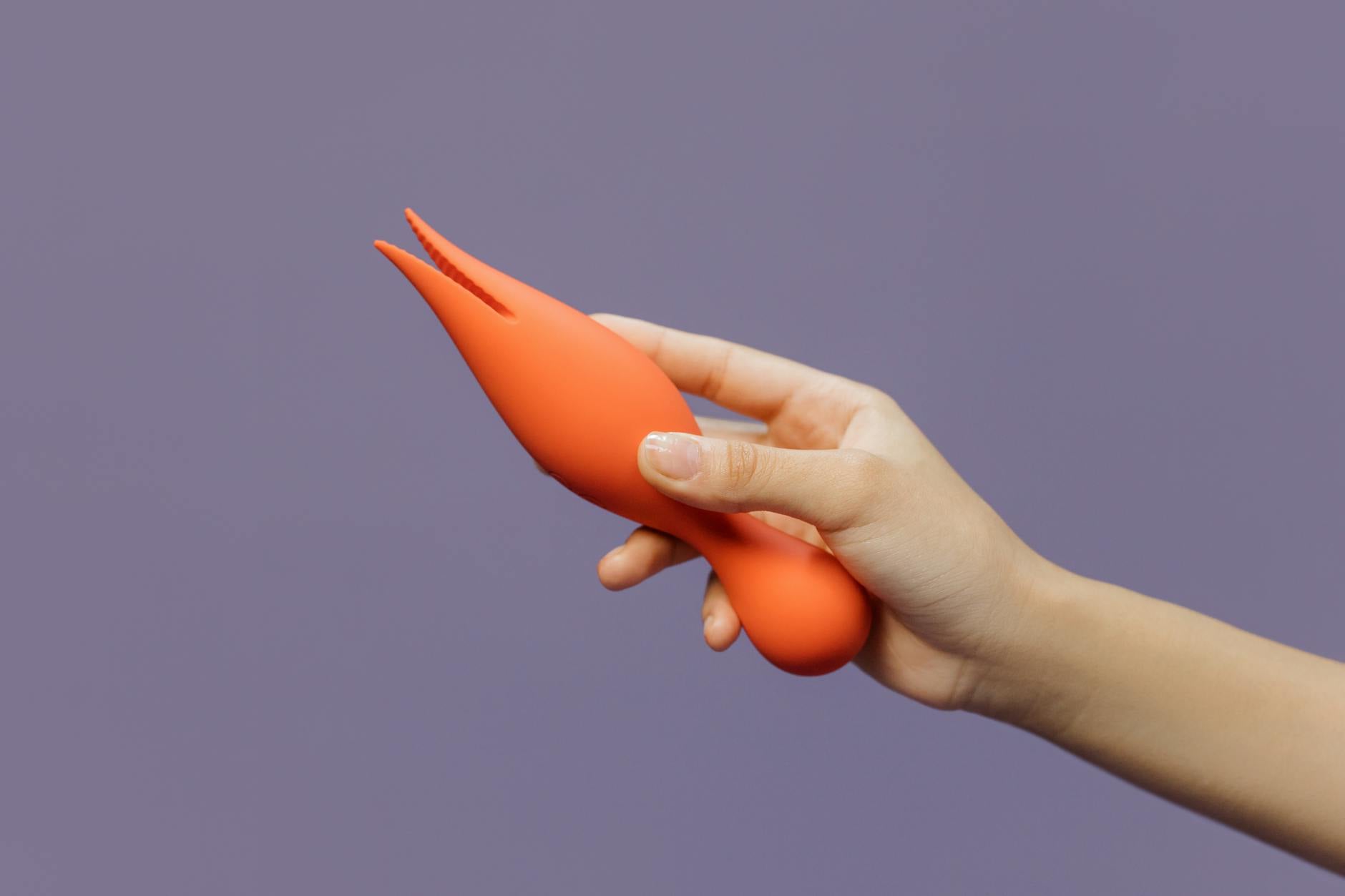
That's where a lemon clitoral vibrator comes in.
Why standard touch doesn't work when you're dissociated
When dissociation is active, your brain has essentially turned down the volume on all incoming sensation. Your partner could be touching you for twenty minutes and you'd feel almost nothing. Not because they're doing it wrong. Not because you're broken. Because your nervous system has deprioritized peripheral sensation in favor of staying safe.
A lemon vibrator bypasses that filtering. Air-suction technology doesn't feel like regular touch. It's a completely different sensory input. Your brain registers it as novel, as intense, as something that demands attention. It's specific enough to force your nervous system out of protective mode and back into the present moment.
The Lem, specifically, uses gentle suction and pulsing patterns. You can't ignore it the way you can ignore a hand on your skin. That's not a bug. That's the whole point.
The grounding framework before you start
You can't think your way out of dissociation, but you can ground your way out. Before you even touch the vibrator, do this:
Name five things you can see right now. Just name them internally. Not to describe them beautifully. Just to notice: lamp, pillow, window, phone, wall.
Touch four textures. The fabric you're wearing. Your hair. The mattress. Deliberately feel the physical sensation of them.
Listen for three sounds. Your breathing. The air conditioning. A distant car. Just notice they're there.
Name two smells. Your skin. Your sheets. Incense. Coffee. Anything.
Feel one taste. Water, gum, your mouth, your lips. Just one.
This isn't mystical. It's neuroscience. Engaging all five senses at once pulls your brain back into the room, back into your body. It takes ninety seconds. Do this first.
Starting with the lemon vibrator at the lowest setting
Turn it on at pattern one or two. Not because you need to build up. Because your nervous system needs a second to recognize what's happening.
Hold it just barely touching your vulva. Not pressing. Not moving. Just let it sit there for a breath or two. Your body needs to register: there is a specific, intense sensation happening right now. This is real. This is now.
That first moment is usually a jolt. It should feel that way. Your nervous system essentially just got paged back into the room.
The rhythm that keeps you grounded
Here's what usually happens with dissociation: you start feeling something, your brain interprets it as "threat," and whoosh. You float away again. To prevent that, you need stimulation that holds your attention without overwhelm.
Keep the vibrator at one setting for at least three minutes. Don't chase more sensation. Don't move it around. Let your nervous system get bored with the current input and gradually desensitize. Then slowly increase the intensity. The slow climb keeps you engaged without triggering that protective disconnection again.
Breathe deliberately. In for four counts, out for six. Not to relax. To stay present. Your breath is anchoring you to this moment, to this body.
If you feel yourself floating again, pause. Turn it off. Go back to the five senses grounding for thirty seconds. Then start again.
Using the lemon vibrator with a partner when dissociation happens
If you have a partner, this is actually easier in some ways. Tell them plainly: "I'm going to use the vibrator. I might seem distant. That's not about you. I'm rebuilding connection to my body."
Have them hold your hand or rest a hand on your chest while you use the lemon vibrator. The dual input helps. One sensation is internal and intense. The other is external and grounding. Your nervous system gets pulled into the present from multiple angles.
If you feel connected enough at any point, they can use the vibrator on you instead. But start with your own hand. You have more control. You can manage your own pacing.
The emotional component that amplifies the physical
Let's be honest: dissociation often comes with shame or numbness about your own pleasure. "I shouldn't need this much stimulation." "I'm too broken." "This is weird."
Kill that voice before you start. Using a lemon clitoral vibrator when you're dissociated isn't a workaround. It's smart neuroscience. Your brain is protecting you. A vibrator is a tool to say: I'm safe now. Come back.
That's not weakness. That's reclamation.
When the lemon vibrator works best within your week
Dissociation isn't static. It fluctuates. Mornings after solid sleep usually feel better. Days after stress usually feel worse. Use this tool when you're relatively stable, not during your absolute lowest moment. That's strategic, not selfish.
If you notice patterns like "I always dissociate on Sundays" or "Two days after my period, I'm gone," schedule these grounding sessions for the upswing. You're not fighting a losing battle. You're working with your own nervous system's rhythm.
When reconnection takes weeks, not minutes
Here's what I tell clients: rebuilding body sensation is not fast. You might use a lemon vibrator three times before you feel a genuine moment of presence. Then it disappears and comes back later. That's normal. That's your nervous system learning it's safe to come back.
Keep a quiet log. Not obsessively. Just a note: did I feel more present today? Did I feel any genuine sensation that wasn't work or pain or stress? Small wins matter.
Within four to six weeks of regular, grounded use, most people report a noticeable shift. Not euphoria. Just presence. The ability to be in your body for a few minutes without the float.
That's the goal.
When to bring a therapist into this
If dissociation is severe enough that you can't ground yourself, or if it's accompanied by amnesia, identity confusion, or deep trauma responses, a vibrator is a tool, not a solution. Work with a trauma-informed therapist alongside any pleasure work. The two things work together, not separately.
A good therapist can help you understand why your nervous system is protecting you and build the safety needed for your body to come back online. A lemon vibrator helps reinforce that message physically.
The long game of reclaiming your body
Dissociation is your nervous system's way of saying: I need safety. Using a lemon clitoral vibrator during grounded, intentional solo time is one way you give your nervous system permission to come back. It's not about achieving orgasm. It's about the moment you suddenly realize: I felt that. I was here. I was present.
Those moments accumulate. And eventually, they're not rare anymore. They're your baseline.
People also ask
Can a lemon vibrator help if I'm dissociated from trauma?
Yes, but with caveats. A vibrator can help with somatic grounding and can be a tool for reconnection. But if your dissociation is trauma-related, working with a trauma-informed therapist is essential. How to Use a Lemon Vibrator When You Have Tender Tissues and Need Gentle Stimulation covers gentle approaches, and grounding with a partner works best alongside professional support.
How long does it take to feel sensation again after dissociation?
It depends on the severity and cause of the dissociation. Some people notice a shift in weeks. Others take months. The key is consistency and patience. Use your lemon clitoral vibrator during grounded sessions, not as a desperate grab for sensation. Your nervous system learns through repetition that it's safe to be present.
Is using a vibrator the same as grounding exercises?
Not quite. Grounding exercises (the five senses work) reconnect you to the present moment. A vibrator amplifies that by adding intense, specific sensation that demands your nervous system's attention. Together, they work better than either alone. For tips on building presence alongside pleasure, see How to Use a Lemon Vibrator When First Exploring Solo Pleasure After Years of Avoiding It.
What if the vibrator itself triggers dissociation?
It happens. Start even gentler. Lower intensity. Shorter sessions. Or build more grounding time before you use it. If the vibrator itself is triggering, that tells you something important about what your nervous system needs. Work with that information, not against it. Consider consulting a therapist who specializes in somatic work.
Can I use the lemon vibrator with anxiety or panic?
Yes, but the grounding needs to come first. Anxiety can feel similar to dissociation but operates differently. If anxiety is present, the five-senses grounding is even more critical. The vibrator's intensity can sometimes increase anxiety if you're not grounded first. Do the grounding, then introduce the vibrator slowly. You're not rushing.
Should I tell my partner about using the vibrator for dissociation?
If you're in a relationship and you're managing dissociation, yes. Not as confession. As information. "My nervous system sometimes disconnects. I'm using tools to ground myself. This is part of my process." A partner who understands what's happening can support it instead of misinterpreting it as disinterest or avoidance.