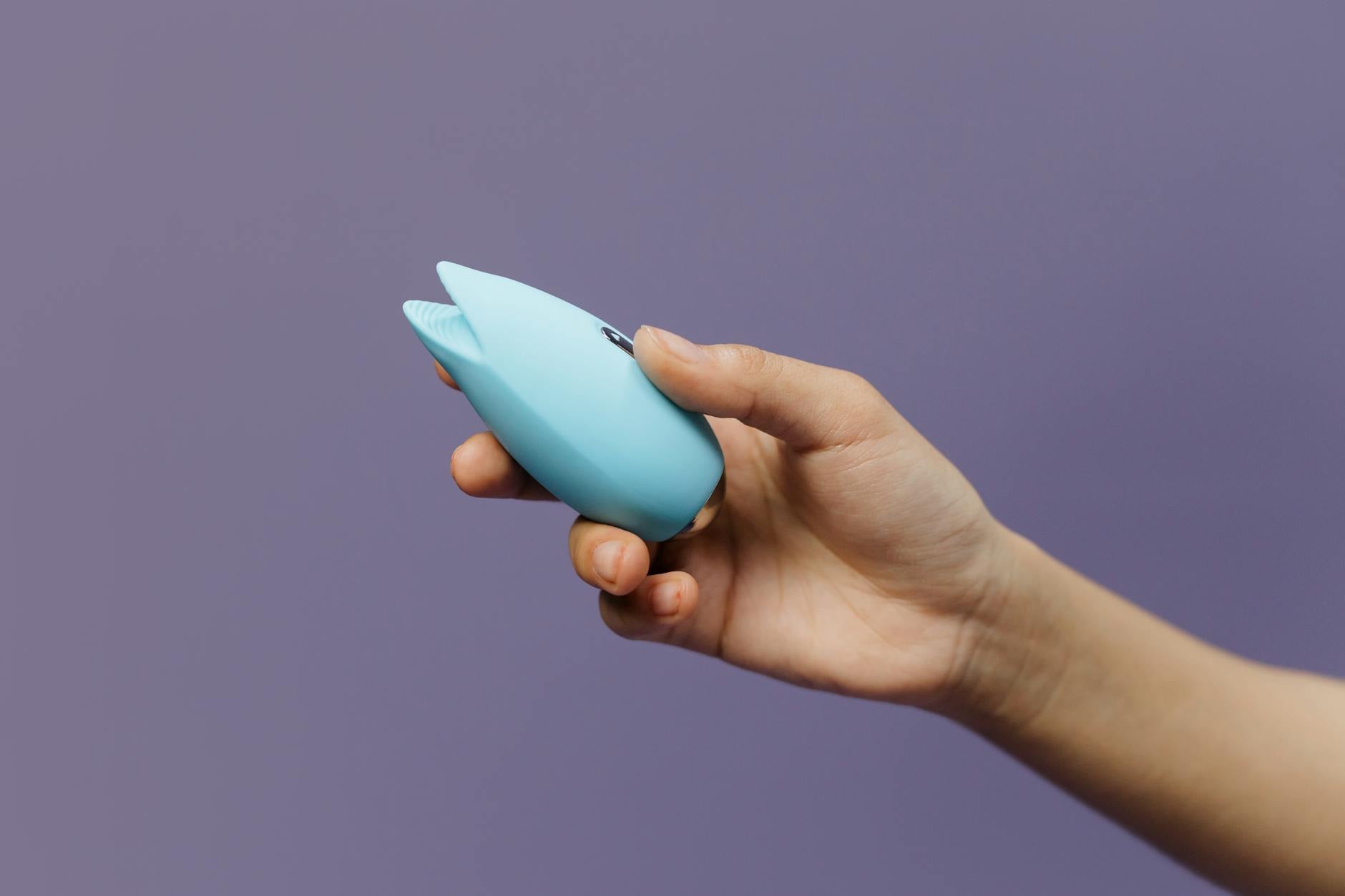
Why tender tissues need a completely different approach
Let's be real: tender or easily irritated tissue is common, and it gets ignored constantly. People assume vibrators are one-size-fits-all, which is why so many folks end up sore, frustrated, or convinced their body just "can't" use toys. That's not true. Your body needs a different tool and a different strategy.
Tender tissue responds better to suction than to traditional vibration. Traditional vibrators use rapid back-and-forth friction, which can feel overwhelming or even painful on delicate skin. Air-suction vibrators like the Lem use a gentle pulsing suction that stimulates the nerve endings without the aggressive mechanical pressure. The difference is measurable and immediate.
Understanding what makes tissue tender
Tender tissue comes from several sources. Some people are born with naturally sensitive skin. Others develop tenderness from conditions like lichen sclerosus, eczema, contact dermatitis, or from vulvodynia. Hormonal shifts like menopause or taking certain medications (including some antihistamines and antidepressants) can thin tissue and make it more reactive. Even stress and anxiety can tighten the pelvic floor, creating localized sensitivity.
The key thing: tenderness is not a flaw. It's information your body is giving you about what it needs.
Why suction works where vibration doesn't
Traditional vibrators create friction against tissue. When tissue is already inflamed or thin, friction equals pain. Suction vibrators pull gently rather than rub. This stimulates the same nerve clusters responsible for pleasure, but without the harsh contact. It's the difference between a hand sliding across sunburned skin versus a gentle hug.
The Lem and similar air-suction devices are specifically designed for this. They create a seal around the clitoral area and pulse at different intensities. Because suction is directional and gentle, you get intense sensation without trauma. Many people with tender tissue experience their strongest orgasms using this method, precisely because suction doesn't require the forceful contact their bodies can't tolerate.
The pre-use checklist for tender tissue
Before you even turn on a lemon vibrator, you need three things sorted.
First, moisture. Your tissue is tender, which often means it's drier than average. Use a water-based lubricant generously. Reapply halfway through. This isn't optional, it's foundational. Without it, even gentle suction can feel irritating.
Second, a warm-up. Don't jump straight to the vibrator. Spend 5-10 minutes with non-vibrating touch: your hand, a partner's hand, or both. Let blood flow to the area naturally. This makes tissue more elastic and less reactive. Skip this step, and you're fighting your own physiology.
Third, a clear pelvic floor. Tender tissue often comes with pelvic floor tension. Your muscles clench as a protective reflex. Before you use any toy, spend two minutes in a full body relax: lying flat, deep breathing, consciously releasing the pelvic floor. You can't force it, but you can invite it. A few breaths while focusing on "soft and open" makes a measurable difference.
Starting with the lowest settings
The Lem has eight intensity levels. Start at level 1. Seriously. This is not the time for bravery. Level 1 on a suction vibrator is already stimulating. You're learning how your body responds. You can always turn it up.
Position the device so it creates a gentle seal. You shouldn't have to push hard. If the seal isn't happening naturally, your angle is wrong, not your body. The Lem is flexible. Adjust your position until the seal feels effortless.
Stay at level 1 for at least three full sessions. This isn't wasting time. This is your nervous system learning that this sensation is safe. The first session is often uncomfortable simply because it's new. The second session is usually better. The third or fourth is when pleasure actually shows up.
What to do if it still feels uncomfortable
If level 1 feels too intense even with all the prep work, pause and troubleshoot.
First: is your lubricant enough? You might think yes when the answer is no. Add more. Seriously more. A slick environment changes everything.
Second: is the seal right? A seal that's too tight can feel pinching. A seal that's loose won't stimulate. The seal should feel like a light pressure, not a clamp. Adjust your hip angle until it feels neutral.
Third: is your pelvic floor actually relaxed? You can't tell by guessing. Try this: insert one finger into your vagina. If you feel clenching around your finger, your pelvic floor is contracted. Do five more deep breaths and try again. Once you feel the muscle soften, try the vibrator again.
Fourth: try a different time of day. Some people's tissue is more sensitive in the morning, others in the evening. Morning after good sleep is often easier because your nervous system is less reactive.
If discomfort persists after four or five sessions with solid prep, your body might be telling you something else is happening. A pelvic floor physical therapist can assess whether there's underlying tension, inflammation, or other factors worth addressing.
Building tolerance and increasing sensation over time
As your tissue adapts (which usually takes 2-3 weeks of regular use), you'll naturally gravitate toward higher intensity levels. Let this happen gradually. You're not racing. Each time you have a session, notice: which level felt genuinely pleasurable, not just stimulating? Use that level for the next few sessions before trying something slightly higher.
Many people with tender tissue find that consistent use actually improves their sensitivity over time. When you use a tool that respects your tissue's needs, your body gradually relaxes its protective response. The tenderness often decreases. You might go from barely tolerating level 2 to easily enjoying level 5 or 6 within a couple of months.
This is a real physiological shift. Regular gentle stimulation trains your tissue to respond without inflammation. It's the opposite of what you'd expect, but it's consistent across the clinical literature and common in practice.
Partnered use when you have tender tissue
If you're using a lemon vibrator with a partner, communication gets even more important. Your partner needs to understand that they're not failing if you need lower intensity. They're succeeding if they respect your body's actual limits.
Some partners love handling the device while you focus on sensation. Others feel more comfortable letting you lead. There's no right way. The right way is the way you both feel good about.
One practical thing: if your partner runs the device, establish a system for adjusting intensity without breaking the flow. Something like a simple "more" or "less" works. Or they can start at level 1 and wait for you to ask for more before they change it. You're in charge of pace, always.
Recovery and care after use
After a session with tender tissue, your skin might feel slightly flushed or warm. This is normal. Don't immediately apply irritating lotions, fragrances, or tight clothing. Wear something soft and breathable for the next hour or so.
If you notice actual irritation, swelling, or discomfort that lasts more than an hour, dial back intensity next time. And check your lubricant. Many water-based lubes contain glycerin, which can cause irritation in some people. If you suspect this, try a glycerin-free option.
Clean your lemon vibrator after every use. A little warm water and gentle soap. Dry it fully before storing. Bacteria loves warm, damp environments, and tender tissue is more vulnerable to infection from bacteria, so hygiene isn't optional, it's essential.
When to see a specialist
If tenderness is extreme, constant, or not improving despite all of this, it's time to see a pelvic floor physical therapist or a gynecologist who specializes in vulvodynia or other tissue conditions. There might be inflammation, scarring, or nerve irritation that needs professional assessment. That's not failure. That's getting the right support.
A good pelvic floor therapist can often reduce tenderness significantly through targeted treatment. Combined with using tools like lemon vibrators properly, many people experience dramatic improvement in comfort and pleasure within weeks.
FAQ: Tender tissue and lemon vibrators
Why does suction feel better than vibration when my tissue is tender?
Suction stimulates nerve endings through gentle pulling rather than friction. Friction can irritate already-sensitive tissue, but suction bypasses that irritation and goes straight to sensation. It's like the difference between dragging a cloth across sunburned skin versus a light massage. The pathway to pleasure is different, and for tender tissue, gentler is more effective.
Can I use a traditional vibrator if I start at the lowest setting?
You can try, but suction vibrators are genuinely better for tender tissue. Traditional vibrators use rapid oscillation, which creates friction even at low settings. If you have tender tissue, you're fighting the mechanism itself. A lemon vibrator or similar air-suction device is built for this situation. If a traditional vibrator is what you have, go super slow and use tons of lubricant, but switching tools will likely make a real difference.
How long until my tender tissue feels less sensitive?
Most people notice improvement within 2-3 weeks of consistent gentle use. This assumes you're using proper technique: good lubrication, warm-up time, relaxed pelvic floor, and low intensity levels. Some notice change in 4-5 sessions. Others take 6-8 weeks. Bodies vary, but the pattern is consistent: gentle, consistent stimulation trains tissue to respond without inflammation.
Is it safe to use lemon vibrators if I have lichen sclerosus or vulvodynia?
Yes, with care and clearance from your doctor. Both conditions cause tenderness, and both can improve with the right stimulation. Talk to your gynecologist first, especially if you're in active treatment. They might recommend waiting until inflammation is reduced, or they might give you the green light immediately. Once cleared, use the gentlest approach: extra lubrication, the absolute lowest intensity, and stop immediately if anything hurts. Many people with these conditions report that proper toy use actually reduces symptoms over time.
What if my partner's pressure or technique is causing pain?
This is a conversation, not a blame situation. Let them know that you need gentler pressure, lower intensity, or a different rhythm. Some partners intuitively understand this. Others need explicit guidance like "three seconds on, two seconds off" or "stay at level 1 until I ask for more." You could also let them know that you're learning your body's needs and want to build comfort together. Framed this way, it's a shared project, not a criticism.
Can hormonal birth control or medication make my tissue more tender?
Absolutely. Hormonal birth control, certain antidepressants, antihistamines, and other medications can thin tissue or reduce natural lubrication. If you started noticing tenderness around the same time you started a new medication, mention it to your prescriber. Sometimes dosage adjustment, timing, or switching to a different medication helps. Don't stop on your own, but definitely flag it. In the meantime, the strategies here still apply: extra lubrication, suction over friction, and gentle progression.
You deserve pleasure that feels good
Tender tissue doesn't disqualify you from pleasure. It just means you need a different approach and more patience with yourself. Lemon vibrators and similar suction devices are specifically designed for this situation. Start low, go slow, use lots of lubricant, and let your body learn that this is safe. Most people are shocked by how good it feels once they get the setup right.
If you're struggling with this or want personalized guidance, reach out. We're here to help you figure this out.