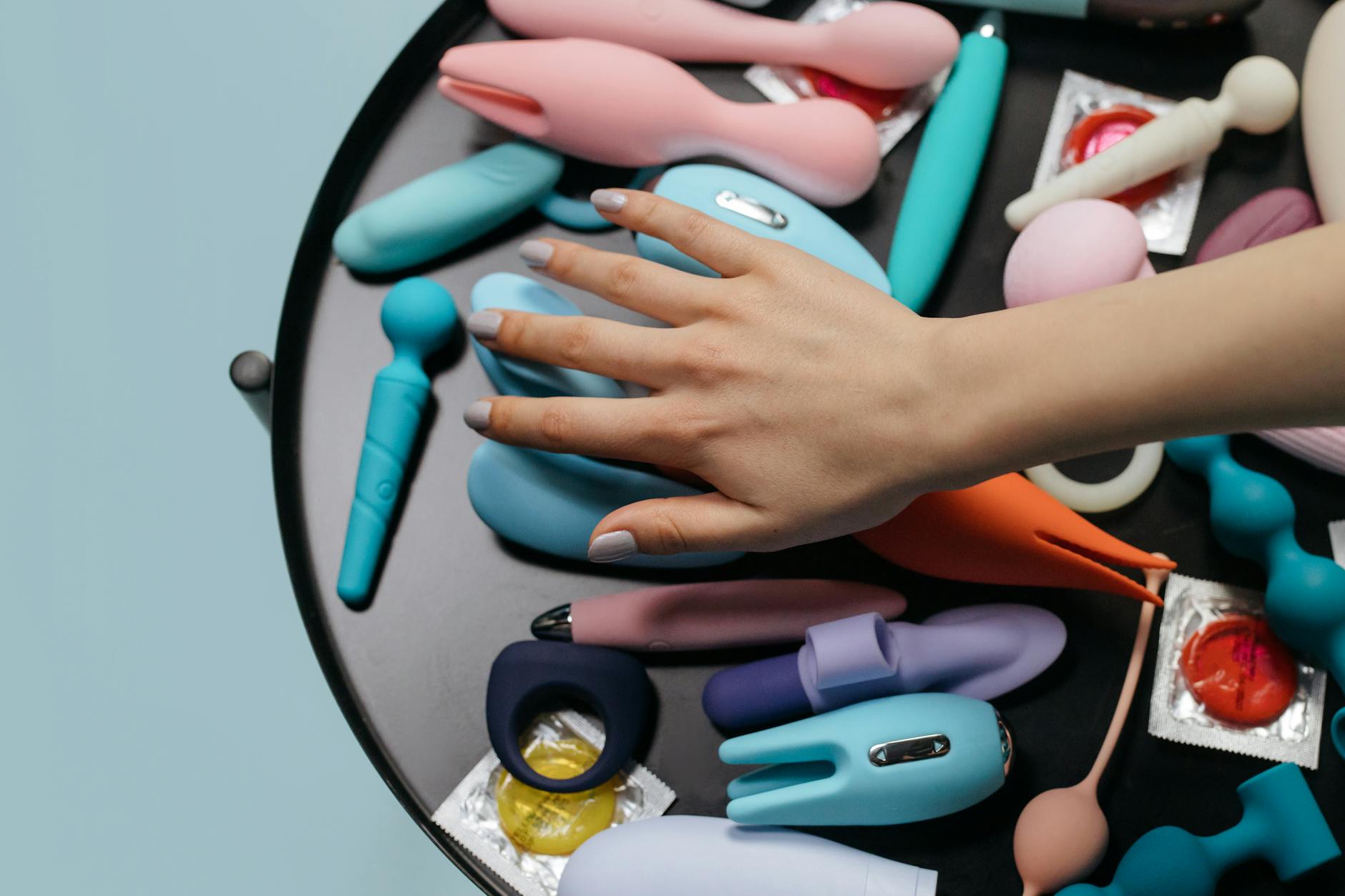
Here's the thing about starting late
You didn't avoid solo pleasure because you're broken or prudish. You avoided it because someone—maybe a parent, maybe a religion, maybe just the culture around you—taught you that your pleasure was either shameful, selfish, or simply not important. That message lands young and sticks around. I've worked with plenty of people in their 40s, 50s, and beyond who've never explored their own bodies because of it. You're not alone in this, and honestly, starting now is brave.
The second thing you need to know: you don't have to earn this. You don't need permission from anyone. You don't need a "good reason." Pleasure—solo, partnered, however you want it—is a normal part of being human. And if shame has kept you from it, rediscovering it on your own terms is one of the most powerful things you can do.
Let's talk about how to actually start.
Why shame is harder to overcome than pleasure itself
If you've spent decades hearing that masturbation is wrong, sinful, selfish, or gross, your brain has internalized that story as truth. Your body might respond to stimulation, but your mind is running a constant soundtrack of "you shouldn't be doing this." That conflict is real, and it's the hardest part of solo exploration after years of avoidance.
The tricky bit is that shame doesn't always announce itself loudly. It sneaks in as distraction. You touch yourself and suddenly you're thinking about laundry. You're hyper-aware of sounds in the house. You're wondering if someone will find out. Those aren't failures—they're shame doing its job, pulling your attention away from pleasure.
The first step toward genuine solo exploration isn't finding the right vibrator. It's naming the shame and deciding that your pleasure is worth the discomfort of overriding old messaging. That's it. That's the hardest part.
Creating physical and mental safety to actually enjoy it
Once you've decided this is something you want to do, your nervous system needs to know it's safe. That means actual, practical safety.
Choose a time when you're unlikely to be interrupted. Not sneaking around—genuinely unavailable to others. If you have a partner or housemates, tell them you need private time. You don't owe details, but you owe yourself honesty. "I'm going to have some alone time" is complete.
Lock the door. Put your phone on silent. Let your body know there's no threat coming.
Warmth helps too. Take a shower first, or spend time in bed under covers. Warmth signals safety to your nervous system in a way that cold, rushed exploration doesn't. This isn't about being fancy or romantic. It's about giving your body the signal that you're safe enough to relax.
Why clitoral vibrators work better when you're starting over
If you've never explored solo or it's been years, internal penetration often feels like pressure you're not ready for. The clitoris, though, is wired for pleasure in a way that feels more immediately rewarding when you're rebuilding your relationship with your own body.
A lemon clitoral vibrator like the Lem is particularly smart for this because the suction mechanism creates stimulation that doesn't require you to manage pressure the way a traditional vibrator does. You're not wondering if you're using it "right." The sensation is clear, focused, and hard to mess up.
Start with lower intensity patterns. You're not trying to reach orgasm on day one. You're trying to feel pleasure without guilt. That's the whole goal.
The first time: what to actually do
Get comfortable. This might be sitting up in bed with pillows, lying down, however feels good.
Take time to explore your body without the vibrator first. Touch your thighs, your belly, your breasts. Notice what feels good. This isn't foreplay, it's reconnection. You're reminding your body that touch can feel good.
When you're ready, turn the vibrator on to the lowest setting. Start on the inner thigh or your vulva generally, not directly on the clitoris. Let yourself get used to the sensation. You might feel nothing at first. That's fine. Sensation builds.
Don't set a deadline for orgasm. Seriously. The pressure to "make it work" often recreates the same shame and performance anxiety that kept you from exploring in the first place. Your only job is to feel.
If your mind wanders, gently bring it back without judgment. Your brain has spent years protecting you from pleasure. That habit doesn't switch off overnight. You're retraining your attention, and that takes practice.
Stop whenever you want. You don't have to reach orgasm to have done this "right." Many people rediscovering solo pleasure find that their first few experiences don't include orgasm at all. That's completely normal. Your body is learning that pleasure is possible without consequences. That's the win.
Managing the guilt that shows up in the middle
Honestly, guilt and shame often show up mid-session. You're feeling good and then suddenly you remember your mother's voice or that thing your ex said and everything stops. This is so common that I'd say it happens to about 70 percent of people recovering from shame-based messaging around pleasure.
When it happens, don't fight it. Pause, breathe, and name it. "There's the shame. I notice it. I'm choosing pleasure anyway." You don't have to believe it's okay. You just have to keep going despite the discomfort.
If it's too much on a given day, stop. There's no failure here. Try again when you're ready. Building a new relationship with your body is a process, not a switch you flip.
Why partner status doesn't change what you're doing
Whether you're partnered or single, solo exploration is separate from partnered sex. One is not practice for the other. They're different experiences with different purposes.
If you're partnered and haven't told your partner you're exploring solo, you might be wondering if you should. That's a personal decision. What I'll say is this: your body belongs to you first. Your pleasure is yours to discover on your own terms. You can share that with a partner later if you want to. You can keep it private. Both are fine.
What matters is that you're not exploring solo as a shortcut to fixing partnered sex or because you feel obligated to. You're doing it because you want to know your own body. That matters whether you're single or married.
When to know you're actually enjoying it
Pleasure shows up differently for everyone. For some people, it's physical sensation building toward orgasm. For others, especially when you're starting over, it might be the simple fact that touch feels good without shame attached. You might feel relaxation, or warmth, or just curiosity satisfied.
You'll know you're moving in the right direction when you stop thinking so much and start feeling more. When you can touch yourself without the internal running commentary of guilt. When anticipation builds because you're genuinely looking forward to it, not because you feel like you should.
That might take weeks or months. That's not slow. That's healing.
Beyond the first time
Once you've had a few experiences and the shame is quieting down, you can start experimenting. Different settings on your lemon vibrator. Different times of day. Different positions. Different fantasies or thoughts. Your pleasure is something you get to discover, not something you have to do "correctly."
Many people find that solo exploration becomes a ritual—something they look forward to, something that grounds them. It's not an emergency or a secret. It's a normal part of taking care of yourself, like a massage or a long bath.
If you find yourself wanting to explore with a partner eventually, that conversation is different and probably worth having when you feel solid in your own pleasure first. When you know what you like and aren't dependent on someone else to validate that it's okay.
When shame doesn't budge on your own
If you're genuinely trying and the shame is so loud that you can't move past it, that's the moment to talk to a therapist. Not because anything's wrong with you, but because deep shame often needs professional support to unpack. I work with clients on exactly this. It's not uncommon and it's not failure. It's just a bigger job than DIY sometimes allows.
FAQ
Can I use a lemon clitoral vibrator even if I've never felt pleasure from touch before?
Yes. The lemon sucker design is genuinely forgiving for beginners because you're not managing a lot of variables. Start low, be patient with yourself, and don't expect fireworks. Sometimes the first win is just feeling something without immediate guilt. That counts.
What if I feel nothing at all the first few times?
Your nervous system might still be in protection mode. Numbness is actually a really common trauma response. Keep going, give yourself more time, and if it persists, see a therapist. Sometimes the permission and safety of a professional relationship is what allows your body to wake back up.
How often should I explore solo if I'm just starting?
There's no "should" here. Some people start once a week. Some people go multiple times a week. Listen to your body. The goal isn't frequency. It's pleasure without pressure.
Should I tell my partner I'm exploring solo?
Depends on your relationship and comfort level. If you're partnered, it's not a secret you have to keep. But it's also not something you're obligated to share. This is about you first.
What if I feel pain or discomfort with the vibrator?
Stop and adjust. Pain is a signal that something's off. It might be too much intensity, not enough lubrication, or your body genuinely isn't ready. Water-based lubricant helps. Slower speed helps. And if pain persists, see a gynecologist to rule out anything physical.
Can solo pleasure help me reconnect with a partner sexually?
Maybe. Understanding your own body and what feels good to you definitely changes how you show up in partnered sex. But solo exploration isn't a fix for bigger relationship issues. Those need their own conversation and possibly couples work. Think of it as parallel work, not a solution.
You're not starting from scratch
Your body remembers pleasure even if your mind forgot it was allowed. You're not broken. You're not behind. You're rediscovering something that was always yours. Start small, be patient, and remember that the shame you feel isn't the truth about you. It's just old programming. Your pleasure is worth the discomfort of changing that program.
When you're ready to explore further or have questions about what you're experiencing, the team at Get Lemon Vibes is here. Reach out anytime—no judgment, just support.