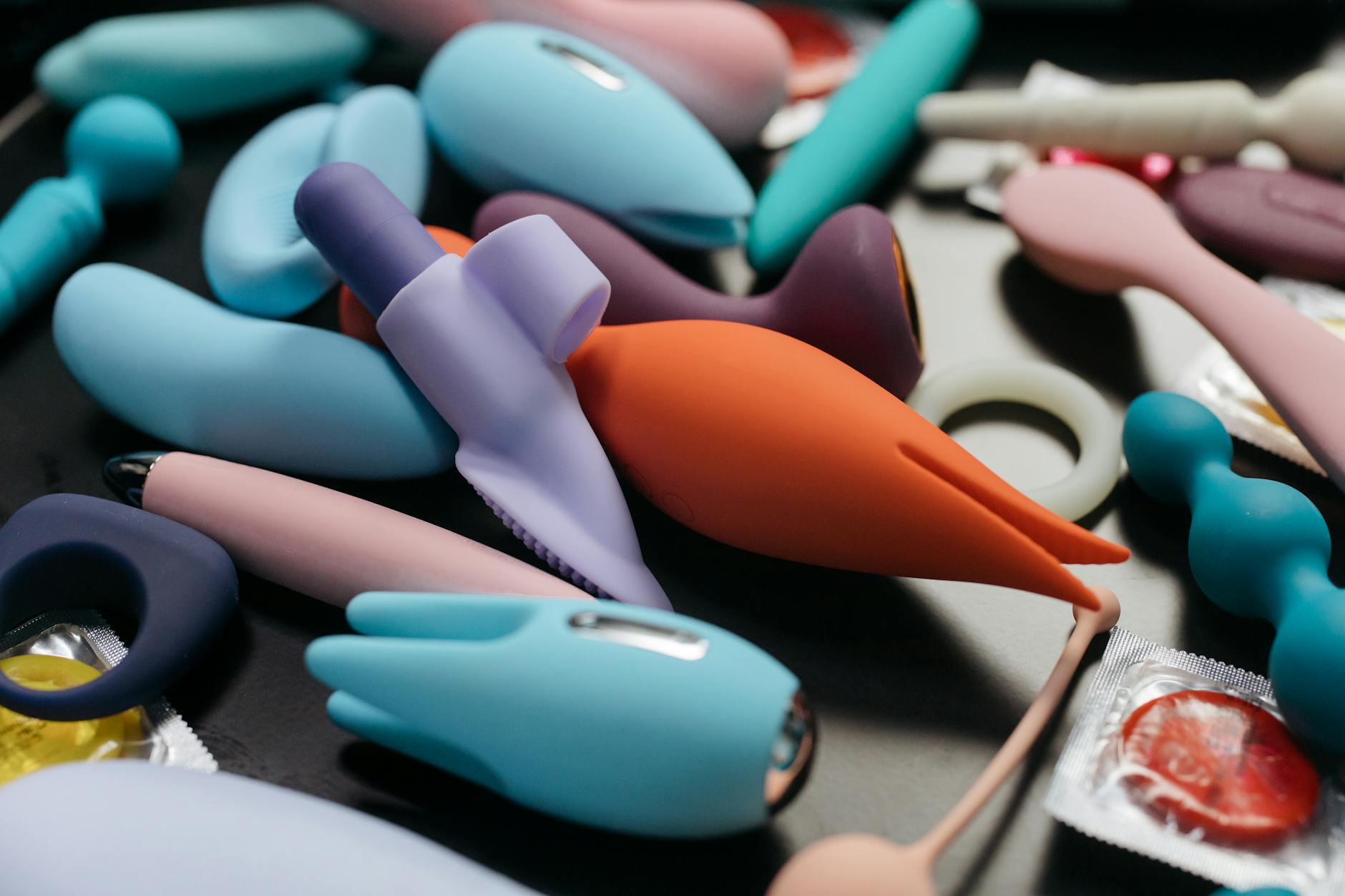
Here's the thing about choosing a vibrator
Most people pick one because a friend recommended it or they liked the marketing. That works sometimes. But if you end up with a toy that's too intense, doesn't fit your hand right, or makes you feel numb instead of good, you'll think there's something wrong with you. There isn't. You just picked the wrong tool.
Choosing a lemon vibrator isn't complicated once you understand what actually matters. Your body type, your sensitivity level, what you're turned on by, whether you prefer solo or partnered play. These things should drive the decision, not aesthetics or price.
What makes lemon vibrators different
Lemon vibrators and clitoral vibrators like the Lemon use air-pulse suction technology instead of direct vibration. That distinction matters because it changes everything about how the toy feels and who it works well for.
Direct vibration buzzes against tissue. Air-pulse suction creates a rhythmic squeeze and release, almost like a gentle mouth. This matters hugely if your clitoris is sensitive to traditional vibration. It also matters if your tissue is thinner, either from hormonal changes or just how you're built. Suction doesn't press as hard, so it's less likely to numb you out or leave you sore.
But suction isn't automatically better for everyone. If you prefer direct stimulation, need stronger sensation, or have a clitoris that responds better to persistent buzzing, you might want something that vibrates instead.
Sensitivity is the first thing to assess
Asking "Am I sensitive?" usually gets you nowhere because most people don't have a baseline. Here's a better question: when you touch yourself or a partner touches you, how quickly do you feel overstimulated? If five minutes in you're already numb or it feels too intense, you're on the sensitive side.
Sensitive bodies benefit from lower intensity, gentler patterns, and often from air-pulse over vibration. If your current toys feel too buzzy, a lemon vibrator might be a game-changer. The suction creates sensation without the aggressive tremor.
On the other end, if you find that light touch doesn't register or you need a lot of sustained pressure to feel anything, you're probably looking for something with stronger, more persistent vibration patterns. Getting clear on this before you buy saves money and frustration.
Tissue thickness changes the game
Your clitoral tissue isn't the same throughout your life. It changes with hormones, with age, with pregnancy and recovery. Thinner tissue is more prone to irritation from direct vibration and benefits from gentler methods like suction.
If your tissue has thinned from hormonal changes, a lemon vibrator is often the smarter choice. The suction method protects sensitive skin while still delivering strong sensation.
If you're not sure what your tissue is like, think about how your body responds to direct touch. If partners have commented that you're sensitive, if you get sore easily, if condoms or internal stimulation feel uncomfortable, you probably have thinner tissue. These toys are designed for exactly this.
Hand size and grip matter more than you'd think
You're going to be holding this device for fifteen to twenty minutes, sometimes longer. If it doesn't fit your hand, your forearm gets tired and you lose focus. If the opening is too small for your fingers, you can't position it right. If it's heavy, your arm gives out.
Smaller hands often do better with compact designs. Larger hands might need something with more surface area or a handle that's wider. Test weight by picking up things in the store or a friend's toy if you're comfortable. You want something that feels neutral in your hand within the first minute.
The opening size matters too. If you're using it solo, you want an opening that your clitoris fits into comfortably without forcing. If you're using it with a partner, you might want a slightly larger opening so both of you can position it easily.
Vibration patterns are personal
Some lemon vibrators offer multiple pulse patterns. This is great if you like variety, but it's not necessary. In fact, many people find that one good pattern is all they need, and extra patterns just create confusion.
There are a few classics to know about. Steady pulse hits the same rhythm repeatedly, which is good for building sensation gradually. Escalating patterns start slow and ramp up, helpful if you like to build over time. Random or irregular patterns can feel surprising and engaging if steady starts to feel predictable.
The best way to know what pattern works for you is to experiment. If you have access to a friend's lemon vibrator or clitoral vibrator, ask to try it. Or start with a single-pattern option and add variety later if you want it.
Battery life and charging style affect daily use
A toy that needs recharging every three sessions is more annoying than one that lasts longer. USB rechargeable is the modern standard and it's usually faster and more reliable than battery replacement.
Check the battery life specs. Anything under sixty minutes means you're charging it constantly. Ninety to one hundred twenty minutes is the practical range for most people. If you travel, consider weight and charging cable portability too.
Where you are in your pleasure journey matters
If you're new to toys, you might want something with adjustable intensity so you can start light. Jumping straight to maximum strength can feel overwhelming and make you think the toy isn't for you.
If you're returning to pleasure after a long break or after an experience that made you nervous, something gentle and predictable builds confidence faster than something with ten patterns and maximum power.
If you've been using toys for years, you might crave something with new sensations. Air-pulse technology might be a natural progression if you've mostly tried vibrating toys before.
Solo versus partnered play changes the math
A toy that's perfect for solo play might not work as well with a partner, and vice versa. If you're mostly using this alone, you want something that feels intuitive in your hand, that you can position however you want, that doesn't require someone else to hold or guide it.
If you're using a lemon vibrator with a partner, you want something they can hold and control easily. You want an opening size that lets both of you see what's happening. You want something that doesn't create awkward angles when you're touching.
Some people end up with two toys for this reason. One for solo exploration, one for partnered play. It's not wasteful. It's smart design.
Budget sets real limits
Clitoral vibrators range from thirty dollars to over a hundred. More expensive doesn't mean better for your body. It usually means better materials, longer battery life, or more engineering.
A well-made lemon clitoral vibrator at a mid-range price often outperforms a cheaper knockoff, even from a function perspective. Cheap toys sometimes have weak suction, erratic patterns, or materials that irritate skin.
If budget is tight, pick one toy and invest in quality over quantity. One good toy that you actually use is worth more than three cheap ones that frustrate you. If you can spend more, consider what extras matter: multiple patterns, longer battery, quieter motor, premium silicone.
Material quality affects sensation and safety
Your toy is going to be against sensitive skin, so material matters. Medical-grade silicone is the gold standard. It's non-porous, easy to clean, doesn't degrade, and feels smooth.
Plastic and rubber are cheaper but they degrade over time, they're harder to clean thoroughly, and they can irritate sensitive skin. If you're choosing between brands at similar price points, silicone is the better move.
Check that any external materials are also non-toxic. You're going to be handling this, bringing it near your body, potentially sharing it with partners. Quality materials mean you're not introducing anything that breaks down or leaches.
Noise level matters more than you'd expect
If you live with roommates, have kids, or value privacy during masturbation, motor noise is real. Lemon vibrators tend to be quieter than vibrators because suction is mechanically quieter than oscillation, but there's still variation.
If quiet is important, ask for decibel ratings before you buy. Or read reviews that specifically mention noise. Some people don't care at all. Others find that loud toys create anxiety and kill arousal.
The return to pleasure question
If you've been away from your body for a while, choosing a lemon vibrator that feels safe and predictable helps you reconnect. Suction is gentler than vibration. Single patterns are less overwhelming than ten options. A smaller device is easier to approach than something that feels like a big commitment.
Your first toy back should feel like an invitation, not a challenge. Choose accordingly.
Frequently Asked Questions
What's the difference between a lemon vibrator and other clitoral vibrators?
Lemon vibrators use air-pulse suction technology, which creates a rhythmic squeeze-and-release sensation. Traditional clitoral vibrators use direct vibration, which is a buzzing or oscillating motion. Suction is gentler on sensitive tissue and works well for people who find vibration overwhelming. Vibration is stronger and more persistent, which suits people who need more direct stimulation to feel aroused.
Can I use a lemon vibrator if I've never used a toy before?
Absolutely. Lemon vibrators are actually great starter toys because they're intuitive and the suction sensation is less intimidating than vibration. Start on the lowest intensity setting, take your time exploring, and don't expect instant results. Your body might need a few sessions to figure out what feels good.
How do I know if I need a stronger toy or if I'm just not turned on enough?
Turn-on and toy strength are different things. If you're genuinely aroused, relaxed, and the toy still doesn't create sensation, the toy might be too weak or the wrong type for your body. If you're not aroused, your body won't respond to any toy. Check that you're actually turned on first. Read something, watch something, think about something that makes you want to touch yourself. Then try the toy.
Should I buy the most expensive lemon vibrator available?
No. Price usually reflects materials and battery life, not effectiveness. A mid-range lemon clitoral vibrator often works just as well as a premium one, and the difference in sensation is usually minimal. Spend enough to get quality silicone and reliable suction, but don't overpay for a brand name or aesthetics.
What if the lemon vibrator I buy doesn't feel good?
Give it a real try first. Your body might need a few sessions to adjust to the sensation and figure out positioning. But if after five or six uses it still doesn't feel right, that's information. You might need something stronger, something with different patterns, or something that vibrates instead of pulses. Return it, learn what didn't work, and pick something better matched to your body.
Can I use a lemon vibrator with a partner?
Yes, and many people do. The main thing is finding a size and shape that works for both of you to hold and position. Some toys have wider openings or handles that make partner play easier. Communicate about intensity, speed, and what feels good. Your partner isn't a mind reader, and you might need to guide them on positioning and pressure.
The bottom line
Choosing the right lemon vibrator comes down to knowing yourself. How sensitive are you? What's your tissue like? What sensations turn you on? What's your budget? Once you know these things, the toy choice becomes obvious.
Don't overthink it. Your body will tell you pretty quickly whether a toy works. If you pick wrong, you learn something useful for the next choice. And honestly, most people end up with a few toys over time anyway. Start with one that matches your current needs, use it consistently, and pay attention to what your body is telling you.
If you're still unsure, reach out and we can talk through what might work best for you.