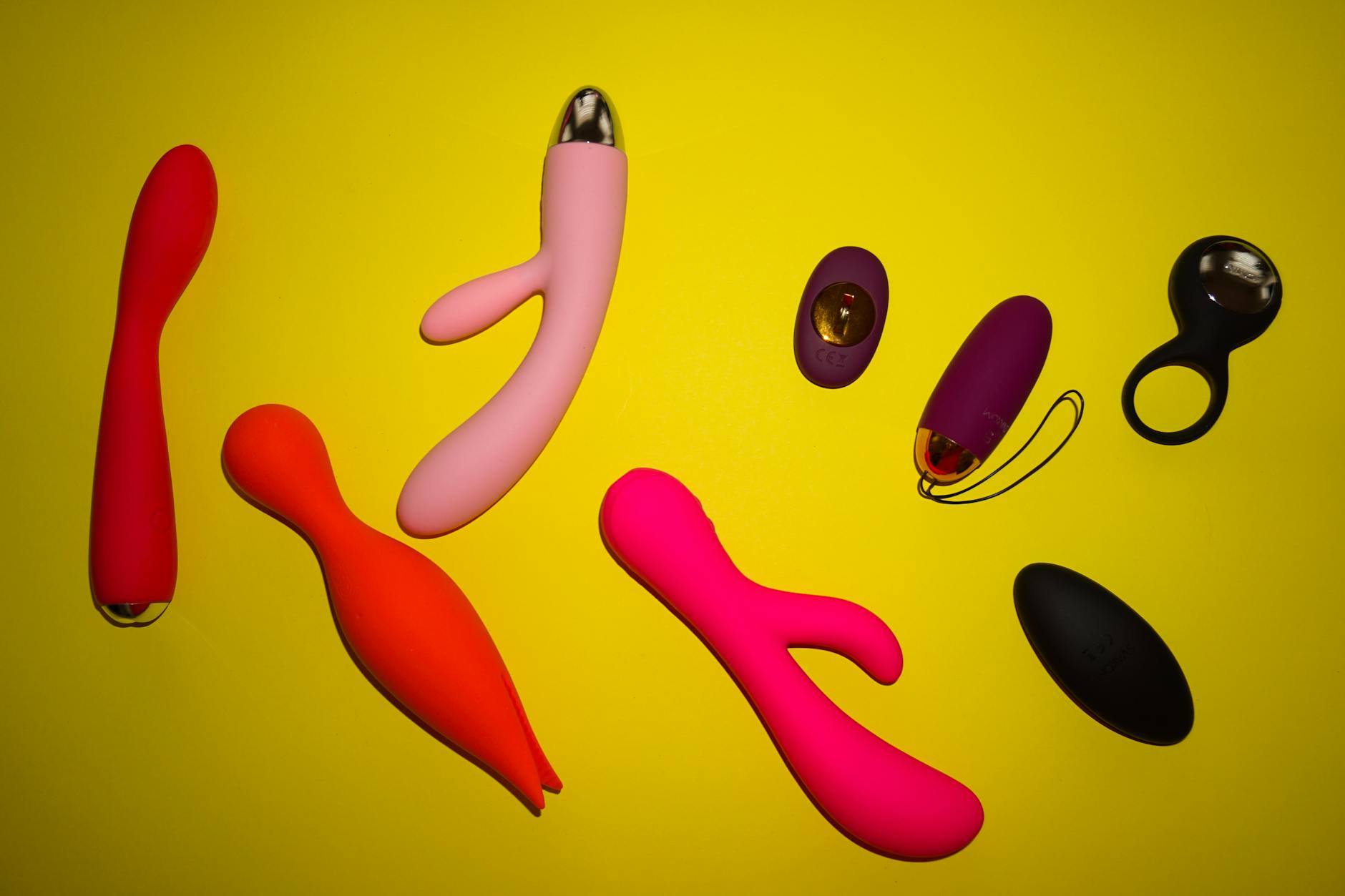
Let's talk about disconnection
Your body feels like it belongs to someone else. Or maybe it doesn't feel like much of anything at all. Stress, trauma, anxiety, or just the cumulative weight of life can create what therapists call dissociation. Your mind checks out. Your skin becomes background noise. And pleasure? It's somewhere very far away.
This is more common than you think. And it's completely reversible.
One of the most effective tools I've seen clients use to reconnect with sensation is a lemon vibrator. Not because it's magic, but because it creates a very specific kind of stimulation that wakes up nerve pathways without demanding anything from you. No performance. No complicated setup. Just sensation, returned on purpose.
Why disconnection happens (and why it matters)
When you're stressed or have experienced trauma, your nervous system defaults to protection mode. Blood flow moves away from the skin and toward your core. Your sensory receptors become less responsive. You might feel numb, tingly, or like you're watching your own body from a distance.
This is your system trying to keep you safe. It's not broken. But it's also not serving you anymore.
Lemon adult toys, specifically air-suction clitoral vibrators like the lemon sucker designs, work because they create multiple layers of sensation at once. There's the suction itself, which activates deep nerve clusters. There's the gentle pulsing, which creates rhythm and predictability. And there's the warm silicone, which signals safety to your nervous system.
Together, these create an ideal re-entry point for people rebuilding their relationship with physical sensation.
The nervous system science (without the jargon)
Your vagus nerve is basically your body's chill-out switch. When you're chronically stressed or dissociated, that nerve is stuck in high alert. Gentle, rhythmic stimulation from a lemon clitoral vibrator helps reset it.
The suction pattern, particularly, mimics a rhythm that your body recognizes as soothing. It's not harsh or demanding. It's inviting. Your nervous system gradually learns: this is safe. I can feel this. I can be here.
That's the actual process happening under the skin. And it can take time. Most people don't snap back into full sensation in one session. But after a week or two of consistent, low-pressure practice, you'll notice the fog starting to lift.
Building a reconnection practice
Think of this less as "using a toy" and more as "a healing ritual you do for yourself."
Start with your hands first. Before you even touch a lemon vibrator, spend three to five minutes just exploring your body with your fingertips. No goal. No expectation of arousal. Just touch your forearm, your neck, your inner thigh, and notice: is it warm? Cool? Sensitive? Numb? Write it down if it helps. You're teaching your brain to pay attention.
Choose a very low setting on your vibrator. The Lem by Get Lemon Vibes has a gentle starter pattern that you can stay with for the entire first week. Don't jump to intensity. Pattern 1 or 2 is exactly right. Your nervous system needs time to trust the sensation.
Set a time limit, not an outcome. Ten minutes. No need to chase orgasm. Many people trying to reconnect after dissociation actually set themselves back by turning this into another performance. You're here to feel. That's the whole goal.
Sit or lie in a position where you feel completely supported. Pillows, blankets, whatever makes you feel held. Your body needs to know it's safe before it will open up sensation.
When to use it (and when to wait)
The best time is when you're already in a calm state. Morning, after coffee, before any major stress of the day. Not late at night when you're wound up. Not during a moment when you're mentally taxed.
If you're in acute crisis, dissociated, or having a trauma response, this isn't the moment. Wait until you're stable. Your nervous system can't learn safety when it's in panic mode.
If you're on medication that affects sensation, whether that's antidepressants or pain meds, reconnection might take longer. But it still works. Just extend your timeline from weeks to months, and be patient with yourself.
How partners can support (without hovering)
If you're in a relationship, you don't need your partner to make this happen for you. This is your solo practice. But you do need them to understand what you're doing.
"I'm rebuilding my connection with my body. I need some time alone with my vibrator once or twice a week. I'm not doing this instead of sex with you. I'm doing this so I can feel more present when we're together."
Most partners get it immediately. And many find that your reconnection work actually strengthens your intimacy together because you're showing up more present.
Common stumbling blocks
"I feel nothing." That's normal for the first few sessions. You're not broken. Your system is just still in protection mode. Keep going. By session 4 or 5, most people notice a shift.
"It feels too intense." Go lower. Pattern 1. There's no rush. Intensity can come later. Right now, you're building trust, not chasing pleasure.
"I feel guilty taking this time for myself." You're not being selfish. You're doing nervous system repair. That's as important as sleep or eating. Your body needs this to heal.
"I'm worried I'll feel worse." If you're dealing with active trauma, work with a trauma-informed therapist alongside this practice. A lemon clitoral vibrator is a tool for gentle reconnection, not trauma processing. Those are two different things.
After two weeks: what to expect
Most people report the same progression. Week 1 is mostly numbness, maybe some tingling. Week 2, sensation starts returning to the surface. By week 3 or 4, you notice yourself feeling more present in everyday moments. Your skin feels like it belongs to you again.
Orgasm might take longer to return, and that's okay. It's not the point. The point is that you're home in your body again.
Once reconnection is solid, you can experiment with higher intensity patterns, longer sessions, or partnered play. But you don't need to rush there. Some people find that the gentle, consistent practice of using their lemon vibrator becomes a permanent part of their self-care, and they never want to change it.
That's completely valid.
Why this matters beyond the bedroom
Reconnecting with your body isn't really about sex. It's about being present in your life. It's about feeling your hands when you wash them. Tasting your coffee. Noticing how your clothes feel on your skin. These small sensations are what make life feel real and yours.
When you've been dissociated, getting those moments back is everything. And lemon adult toys are one of the gentlest, most consistent ways to start that process.
You deserve to be at home in your body. Not someday. Now. And this is a real, practical way to get there.
Common questions about reconnection and clitoral vibrators
How long does it take to feel sensation again with a lemon vibrator?
Most people notice subtle shifts within two to three weeks of consistent use, two to three times per week. But full reconnection can take two to three months, depending on how long you've been dissociated and what caused it. There's no universal timeline. What matters is that you're moving in the right direction.
Can I use a lemon vibrator if I'm on antidepressants?
Yes, absolutely. Many people use clitoral vibrators while on antidepressants, and it's an effective tool for reconnecting despite reduced sensation from medication. It might take longer to feel significant changes, but lemon sexual toys are patient. The consistent, gentle stimulation still rewires your nervous system.
What if I feel triggered or uncomfortable during the practice?
Stop immediately. You're not failing. Your nervous system is telling you something. Take a break for a few days, then try again with the lowest setting, in a different position, or at a different time of day. If triggered feelings persist, talk to a therapist. Reconnection work is safe for most people, but trauma survivors sometimes need professional guidance alongside it.
Should I tell my partner I'm doing this?
If you live together or have an intimate relationship, yes. Keep it simple: "I'm using a vibrator to help me feel more present in my body. It's part of my self-care." Most partners appreciate the honesty and the fact that you're actively working on your wellbeing. It's not secretive. It's healing.
Can I reach orgasm while I'm reconnecting?
Some people do, some don't. And that's okay. If you chase orgasm during reconnection, you've shifted the goal back to performance. Stay with sensation and presence. Orgasm will follow when your nervous system is ready.
Is a lemon vibrator or clitoral sucker the best tool for disconnection?
For most people, yes. Air-suction designs like the lem vibrator create a gentler, more all-encompassing sensation than traditional vibrators. But some people prefer a simple vibration. The best tool is whatever feels safe and encouraging to your specific nervous system. Start with whatever you have. You can always experiment later.
One more thing
Reconnecting with your body is an act of self-respect. It says: I matter. My sensations matter. I'm worth the time and attention required to come home to myself.
That's the real work. The lemon vibrator is just the vehicle.
If you have questions about getting started, or you'd like support figuring out what tool might work best for your situation, reach out to us. We're here to help.