The disconnect that makes no sense
You've checked all the boxes. No recent surgery, no new medications, hormones are stable (or you think they are), your relationship is fine, work is manageable. You're not tired, not angry, not grieving anything obvious. Yet when you reach for your lemon vibrator, something feels... off. Like the pleasure is muted behind glass. Or you can't focus long enough to get anywhere. Or your body tenses up without permission, then relaxes, then tenses again.
You're not broken. You're experiencing what I call "invisible friction" in my practice. It's not medical. It's emotional. And it changes how every touch, including suction from a lemon clitoral vibrator, actually lands.
What invisible friction actually is
Invisible friction is the gap between what you think you should feel and what your nervous system is actually willing to do. It shows up when:
You're in your head about something you haven't named yet. A conversation that didn't land right with your partner three days ago. A comment someone made about your body or your choices. A deadline you're pretending isn't stressing you. A piece of your identity that feels under threat. These don't trigger obvious sadness. They trigger subtle inhibition. Your brain quietly downregulates arousal to protect you from something.
Sometimes it's relational. You love your partner, but there's a hairline fracture of resentment. You're not conscious of it until you try to be vulnerable. Then your body says no in seventeen different ways. Not dramatically. Just... it won't cooperate.
Often it's about permission. You were raised in a context where pleasure was contingent, earned, or shameful. That message doesn't go away because you're an adult now and intellectually you know better. Your nervous system still flinches. Even alone, with a device designed specifically for pleasure, part of you is watching, judging, waiting for consequences.
How this blocks lemon vibrators specifically
A lemon vibrator works through suction and gentle pulsation, which creates a unique kind of stimulation that requires a specific nervous system state to feel good. Compared to a traditional vibrator's sustained buzz, suction relies on your tissues responding to pressure changes. That responsiveness doesn't happen when you're defended.
When invisible friction is present, your pelvic floor tightens, your skin becomes less sensitive, your attention fractures. The Lem or any clitoral vibrator you're using suddenly feels either too intense or too distant. You might feel physical sensation, but it's disconnected from pleasure. You're having an experience, not enjoying one.
This is also why you can't just "relax and try harder." Your nervous system isn't a willpower problem. It's a signal that something unresolved is in the room with you.
The three questions to ask yourself first
Before you troubleshoot the vibrator, troubleshoot the actual block.
Question one: What am I not saying? Sit with this quietly. Not what you should be saying. What are you actually holding back. With your partner, with yourself, with life. Write it down if thinking about it feels too big. Often the block is something you haven't given language to yet.
Question two: When did this start? Not when did it get bad, but when did you first notice the shift. Sometimes you can trace it back to a specific moment or a slow accumulation you didn't notice happening. That timeline matters because it tells you what got triggered.
Question three: What am I protecting myself from by not being aroused? This one's uncomfortable. But arousal requires a kind of openness and vulnerability. If something feels unsafe right now, your body will sabotage pleasure as a protective mechanism. What would feel exposed if you actually let yourself fully feel?
How to use your lemon vibrator when you've got invisible friction
Start somewhere different. Not with pressure or performance. With permission.
Set a new context. If you usually use your vibrator as a means to an end (orgasm in 20 minutes), change the structure. Tell yourself you're not here to finish. You're here to notice. This removes the performance pressure that feeds the block.
Go slower with the intensity. Suction from a clitoral vibrator works best on a responsive nervous system. If you're defended, start at pattern one or two on your Lem. Let your body acclimate. You're not training patience. You're teaching your nervous system it's actually safe to respond.
Interrupt the story you're telling. While you're touching yourself, your brain will narrate. "This should feel better." "Why isn't this working." "You're doing it wrong." Notice that narrator. Don't fight it. Just gently redirect. "Okay, brain, we're not evaluating today. We're just noticing."
Use it differently than you usually do. If you always use your lemon vibrator on your clitoris, try a few minutes on your outer labia. Different spots, different sensation. You're breaking the association between the device and the pressure to perform.
Connect to breath. Invisible friction often lives in shallow breathing. Before you even touch yourself, take a few minutes to breathe like you're trying to relax your belly. This alone can shift your nervous system state.
The emotional permission piece that actually matters
Your pleasure is not conditional on being perfect, productive, thin enough, kind enough, or resolved. You don't have to earn it by being good. You don't have to justify it by having a partner. You don't have to prove you deserve it by being mentally healthy or physically fit.
Your arousal doesn't require circumstances to be ideal. It requires you to decide that feeling good matters more than the story you're telling yourself about why you shouldn't.
When you pick up a lemon clitoral vibrator with that permission in place, the whole experience changes. Not because the device is different. Because you are.
When invisible friction is actually a bigger signal
If this flatness is persistent across weeks or months, and you've named what's unresolved and you're still numb, it might be pointing at something that needs direct attention.
If there's resentment toward your partner that you can't articulate or resolve alone, you might need a couples conversation or professional support. How to use a lemon vibrator with a partner who is hesitant or skeptical might offer some scaffolding for that talk.
If the block is rooted in deeper trauma or shame, talking to a therapist who understands sexuality is worth it. Not because you're broken. Because you deserve support in clearing the path.
If you've been on the same birth control for years and the flatness is new, it might actually be hormonal masquerading as emotional. How lemon vibrators work differently when you're on hormonal birth control covers that more thoroughly.
What happens when you clear the block
People often describe a moment when things shift. They use their lemon vibrator while actually present. Not checking a box. Not trying to fix themselves. Just experiencing. And suddenly it lands differently. The suction feels like contact instead of stimulation. The pulsation feels like pleasure instead of sensation. Your body responds because it finally feels safe.
You don't need to clear everything. You just need to get honest about what's taking up room.
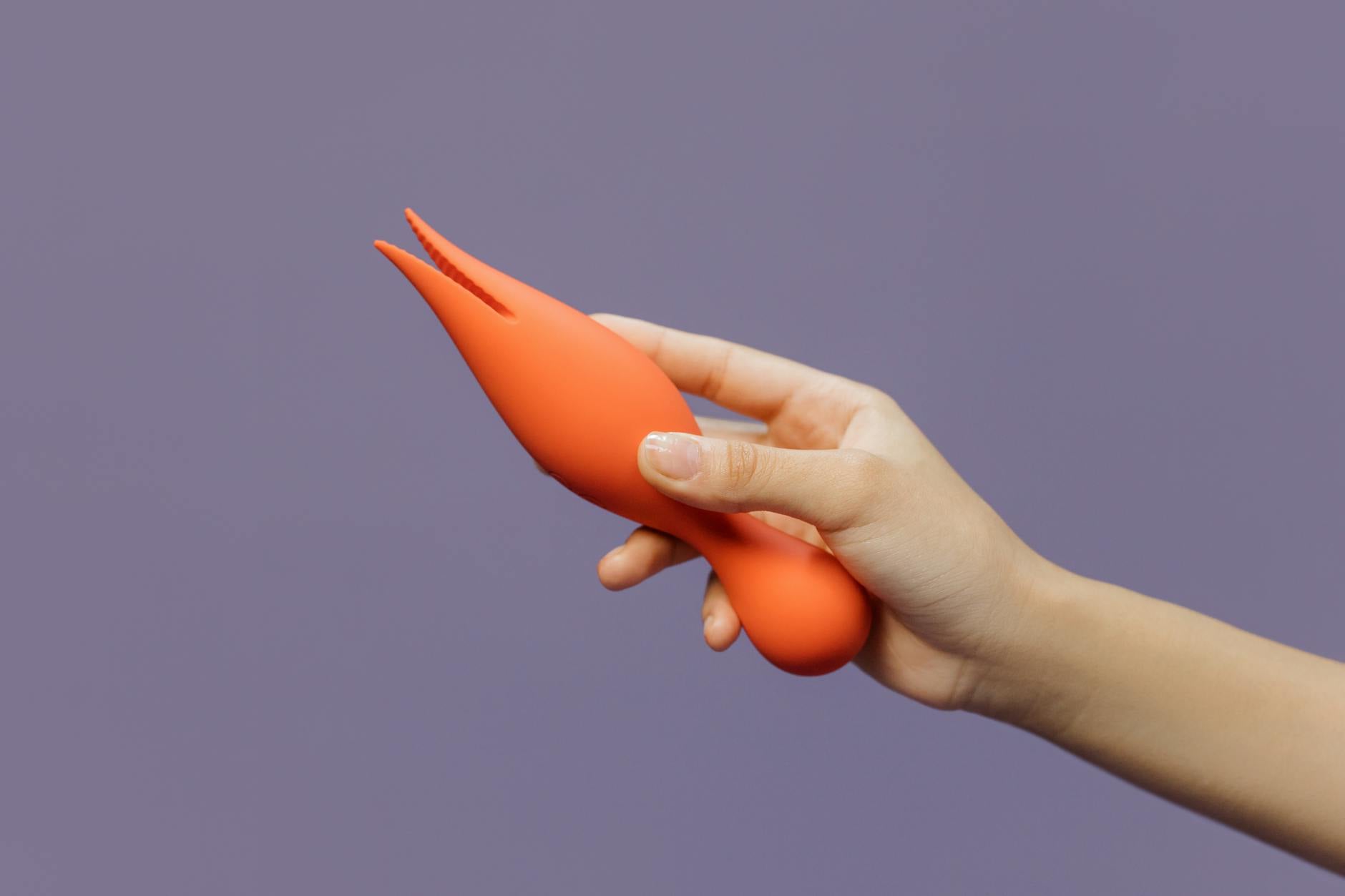
Photo by cottonbro studio on Pexels
People also ask
Why does my lemon vibrator feel numb even though I'm physically healthy?
Numbness usually isn't about the device or your body. It's about your nervous system being in a protective state. This happens when your attention is split, when you're carrying unspoken tension, or when some part of you doesn't feel safe being fully present. The lemon clitoral vibrator is just amplifying a signal that was already there. Start by getting honest about what you're holding back, then the same device will feel completely different.
Can a lemon sucker work if I'm emotionally blocked?
Yes, but not in the way you want it to. You'll feel physical sensation without pleasure. It's like tasting food when you have no appetite. The Lem is designed to work with your body's responsiveness, which requires some level of nervous system openness. If you're defended, try going slower, using less intensity, and giving yourself permission to notice what comes up instead of performing pleasure.
How do I know if invisible friction is about my relationship or something else?
Invisible friction about your relationship usually has a specific trigger. You'll notice the shift happened after a conflict, after you didn't speak up about something, or after you felt unseen. If you name it and communicate about it, arousal often returns. If the block has no obvious relational trigger, it's usually about internalized shame, past messages about your body, or something you're unconsciously protecting yourself from.
Should I stop using my lemon vibrator if nothing's working?
No. Just change the way you're using it. Instead of using it to achieve something, use it to notice something. Slow down. Start at lower settings. Use it without the expectation of an outcome. Your lemon vibrator is actually a useful tool for understanding what's blocking you because it's so efficient at revealing where your nervous system is constricted.
What if clearing the block takes too long?
It usually doesn't. Sometimes naming what's unresolved is enough to shift things. Sometimes you need a conversation with your partner. Sometimes you need a few sessions with a therapist. But invisible friction isn't a permanent condition. It's a signal. Once you understand the signal, your arousal usually follows. Give yourself two to four weeks of genuinely different engagement before deciding something is wrong.
Can invisible friction about pleasure bleed into other parts of my life?
Completely. The same nervous system that shuts down arousal also shuts down rest, vulnerability, and deep connection. If you're noticing that pleasure feels out of reach, check whether you're also holding back in relationships, work, creativity, or self-care. Often clearing one thing opens space for others. A marriage and family therapist can help you see those patterns and work through the root, not just the symptom.