The honest conversation nobody has
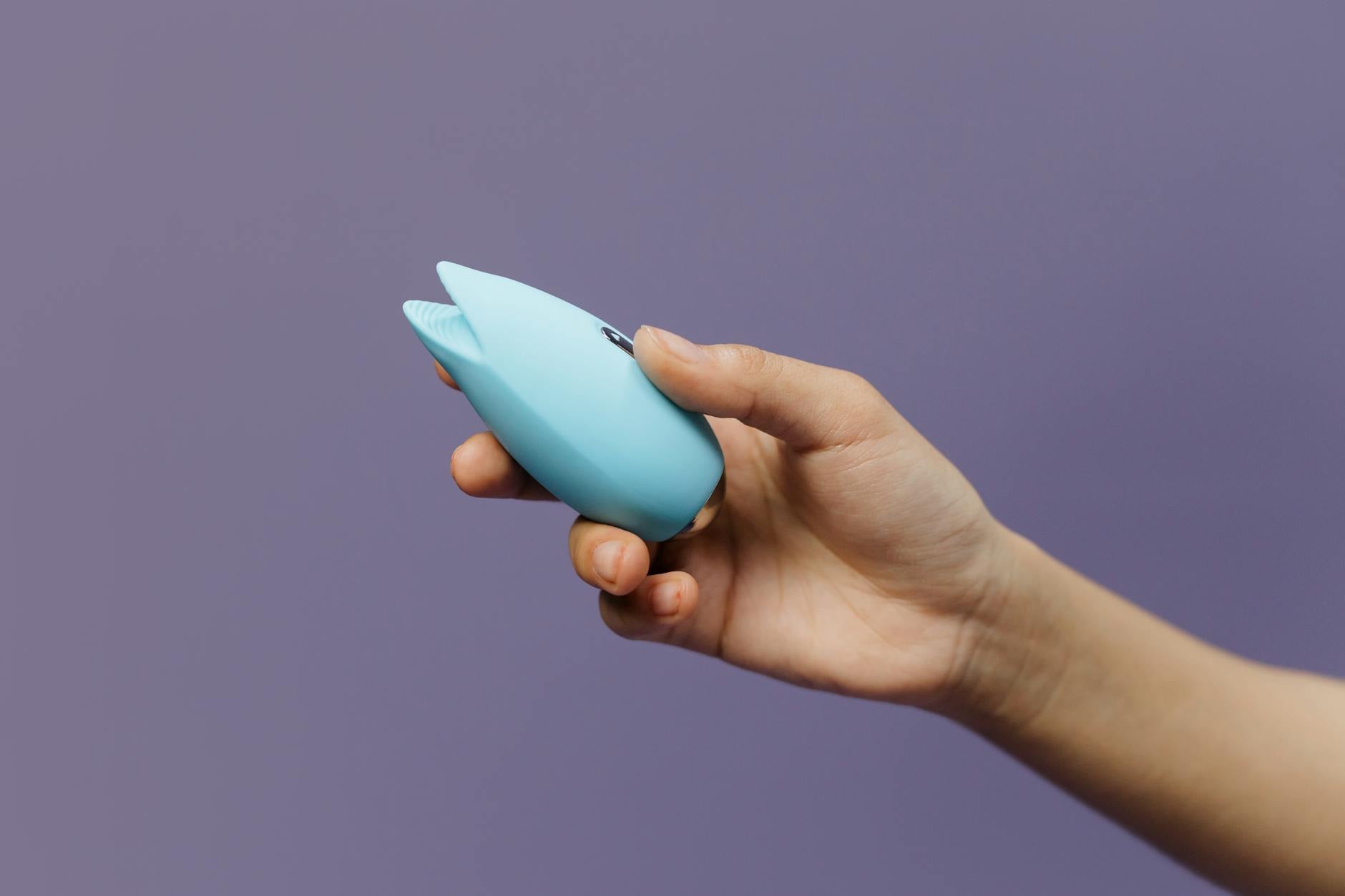
You started hormonal birth control and your lemon vibrator feels different. Maybe it takes longer to work. Maybe the sensation is duller. Maybe your orgasms feel shallower, or you're not having them at all. You're not broken, and you're not alone. This is one of the most common side effects of hormonal contraceptives that almost nobody talks about.
Hormonal birth control rewires arousal, sensitivity, and orgasm capacity. Not permanently, not irreversibly, but measurably. Understanding what's happening physiologically helps you stop blaming yourself and start adapting your technique.
What hormonal birth control actually does to your body
Most hormonal contraceptives suppress luteinizing hormone and follicle-stimulating hormone. Translation: your ovaries downshift production of estrogen and progesterone. Your body is essentially in a steady hormonal state instead of cycling through peaks and valleys.
This stability is useful for preventing pregnancy. But those hormonal fluctuations? They're directly tied to desire and physical response. Here's what shifts:
Testosterone drops. This is the big one. Women produce testosterone too, and it's a primary driver of sexual desire and clitoral sensitivity. Hormonal contraceptives can lower circulating testosterone by up to 30-40 percent. Lower testosterone equals lower libido and slower arousal. Your lemon vibrator works the same way mechanically, but your body takes longer to respond to it.
Blood flow changes. Estrogen affects vasodilation in genital tissues. Lower estrogen means less rapid blood flow to the clitoris during arousal, which means slower engorgement and slower buildup to orgasm.
Lubrication shifts. Your vaginal and clitoral tissues may feel drier because estrogen also affects mucous membrane hydration. A lemon clitoral vibrator (or any clitoral vibrator) can feel more intense or even uncomfortable on tissues that are less naturally lubricated.
Sensation changes. Some people on hormonal birth control report that stimulation feels duller or more numb. This is partly neurological. Progestin can affect nerve conduction, and lower testosterone reduces clitoral engorgement, which means less nerve density activation when you use your toy.
The good news: none of these changes are permanent. When you stop hormonal contraceptives, your hormonal cycle resumes, and sensation typically returns within 1-3 months.
Why your orgasms might feel different (or delayed)
Orgasm has multiple phases. First comes desire (dopamine and norepinephrine). Then arousal (increased blood flow, lubrication). Then the approach phase (sensory building). Then orgasm itself (rhythmic contractions). Finally, resolution.
Hormonal birth control can slow or flatten any of these phases. Most commonly, people on the pill or patch report:
Orgasms take 10-25 minutes longer than they used to. This isn't a failure. It's a recalibration. Your body still gets there. It just needs a longer runway.
Orgasms feel less intense or more localized. You might feel contractions that are shallower than before, or concentrated in a smaller area. The whole-body orgasm you used to have can feel like a more clitoral event.
Desire vanishes entirely for some people, especially in the pill's hormone-free week. You might sit down to use your lemon vibrator and feel... nothing. No urge. No hunger for it. This is often a dopamine and testosterone issue and can shift week to week.
Some people experience anorgasmia on certain birth control formulations. If you've been using lemon sexual toys successfully and suddenly can't reach orgasm after starting contraceptives, you may be on a progestin-heavy formula. Switching to a lower-progestin pill or a different contraceptive method often restores sensation.
The practical shifts you need to make
Your lemon vibrator isn't broken. But your routine might need tweaking. Here's what works for my clients on hormonal contraceptives:
Extend your warm-up window. Build in 20-30 minutes of non-genital intimacy before you reach for your toy. This primes the dopamine and arousal systems. Light touch, kissing, or solo exploration of erogenous zones (breasts, neck, inner thighs) helps your body shift from task mode into pleasure mode.
Add external stimulation layers. If your lem vibrator alone feels too numb, don't just press harder. Layer sensations. Use it with a partner's touch, or combine suction with another form of stimulation (like a partner's fingers). This creates a richer signal your nervous system can't ignore.
Play with pattern and intensity settings differently. You might find that lower patterns feel boring now. Jump straight to patterns 4-6 instead of starting at 1. Or use pulse modes instead of steady stimulation. Your nervous system has adjusted its threshold, so meet it there instead of fighting it.
Time it with your pill cycle. If you're on a combined oral contraceptive, you have slightly more testosterone during the pill-free week. Some people find orgasm much easier then. Track when you feel most responsive and plan solo or partnered sessions accordingly.
Lean into lubrication. Even if you don't usually need it, water-based lube becomes your friend on hormonal contraceptives. It compensates for reduced natural lubrication and can actually intensify sensation by creating a better seal between your clitoral vibrator and tissue. This is not about fixing a problem. It's about optimization.
When to consider switching contraceptives
If orgasm difficulty is new and distressing, mention it to your prescriber. Some birth control formulations affect libido far more than others.
Combined oral contraceptives (containing both estrogen and progestin) generally have fewer sexual side effects than progestin-only methods. But within combined pills, estrogen dose and progestin type matter. A pill with 30 micrograms of estrogen behaves differently than one with 20.
IUDs (especially the copper Paragard) and barrier methods have zero hormonal impact on arousal. If birth control-related sexual changes are severe, switching to a non-hormonal method sometimes restores sensation within weeks.
There's no universal answer. Some people thrive on hormonal contraceptives and experience zero sexual change. Others find their pleasure life completely altered. This isn't weakness. It's biology with high individual variance.
The partner conversation that matters
If you're in a relationship, your partner deserves to know what's shifted physiologically. This isn't about blame or fix-it energy. It's about alignment. A partner who understands that your orgasm now takes 25 minutes instead of 8 because of hormonal changes can stop interpreting that as disinterest and start treating it as new information.
The same goes for the reverse. If your partner is on hormonal birth control and experiencing reduced desire or sensation, that's on the hormones, not on anything you're doing or not doing. Framing it this way removes shame and opens space for real problem-solving together.
The longer-term perspective
Most people on hormonal birth control adapt within 2-3 months. Your nervous system recalibrates to the new hormonal baseline. What felt impossible in month one becomes normal by month four. Your lemon clitoral vibrator doesn't change, but your expectation does.
If you're trying to get pregnant and coming off hormonal contraceptives after years of use, the rebound can feel intensely pleasurable. Sensation floods back. Desire resurfaces. It's like rediscovering your body. But that return isn't guaranteed to match your pre-pill experience exactly. It's just different again, which is fine.
Your pleasure matters. Whether you're on hormonal birth control, off it, between methods, or in transition, you deserve tools that work for you and information that helps you use them well. That's why tools like lemon vibrators exist. They're not a fix for hormonal side effects. But they're a constant, reliable part of your toolkit while your body adapts to whatever hormonal state it's in.
People also ask
Does hormonal birth control permanently reduce sexual sensation?
No. When you stop hormonal contraceptives, testosterone and estrogen levels return to baseline within 1-3 months. Sensation, desire, and orgasm capacity typically rebound as well. The changes are real, but they're reversible. Some people find their pleasure capacity actually increases after being on hormonal birth control because they've spent time learning alternative techniques and what their body responds to now.
Can I use my lemon vibrator normally if I'm on the pill?
Yes, but you may need to adjust your expectations and technique. You might need a longer warm-up, more intense stimulation, or additional lubrication. Some people find that combining their clitoral vibrator with a partner's touch makes a big difference. The toy itself works fine. Your body just responds to it on a different timeline and intensity scale now.
Which birth control methods have the fewest sexual side effects?
Non-hormonal methods like copper IUDs and barrier methods have zero impact on libido or sensation. Among hormonal methods, those with lower progestin loads tend to cause fewer sexual side effects. Progestin-only pills (the mini pill) and the hormonal IUD sometimes have fewer effects than combined oral contraceptives, though this varies dramatically between individuals. Talk to your prescriber about formulation options if sexual changes are a concern.
Will my orgasms come back if I switch birth control?
Often, yes. If you're on a high-progestin or low-estrogen formula, switching to a different contraceptive can sometimes restore sensation within 2-4 weeks. But it's not guaranteed. Some people find that all hormonal methods affect them similarly, while others find one specific formulation works for their body. It's worth discussing with a healthcare provider who takes sexual health seriously.
Is it normal for my lemon vibrator to feel numb after starting birth control?
Completely normal. This isn't numbness in the neurological sense. It's reduced clitoral engorgement and nerve activation due to lower testosterone and estrogen. It feels like numbness because you're expecting the same level of intensity you had before. Your tissues aren't damaged. They're just responding to a different hormonal environment. Most people adapt by adjusting their technique or adding lubrication and longer warm-up time.
Can I take supplements to restore sensation while on hormonal birth control?
There's no magic supplement that overrides hormonal contraceptives. Some people find that zinc or L-arginine support blood flow slightly, but evidence is minimal. The real fix is either switching contraceptives, extending your warm-up time, or adjusting your lemon vibrator technique. If desire is the issue (not just sensation), some healthcare providers will discuss testosterone supplementation, though this is still controversial and not widely prescribed.
What matters now
If you're on hormonal birth control and your pleasure has changed, you're not broken. Your body is responding logically to a hormonal shift. Understanding the mechanism helps you stop internalizing the change as personal failure and start treating it as useful information about how your body works right now.
Your lemon vibrator still belongs in your toolkit. You might just need to use it differently, more patiently, or with added support. That's not a downgrade. That's adaptation. And adaptation is how pleasure survives and thrives through all the phases of your life.
If you have specific questions about how birth control is affecting your pleasure or your relationships, reach out. That's what we're here for.