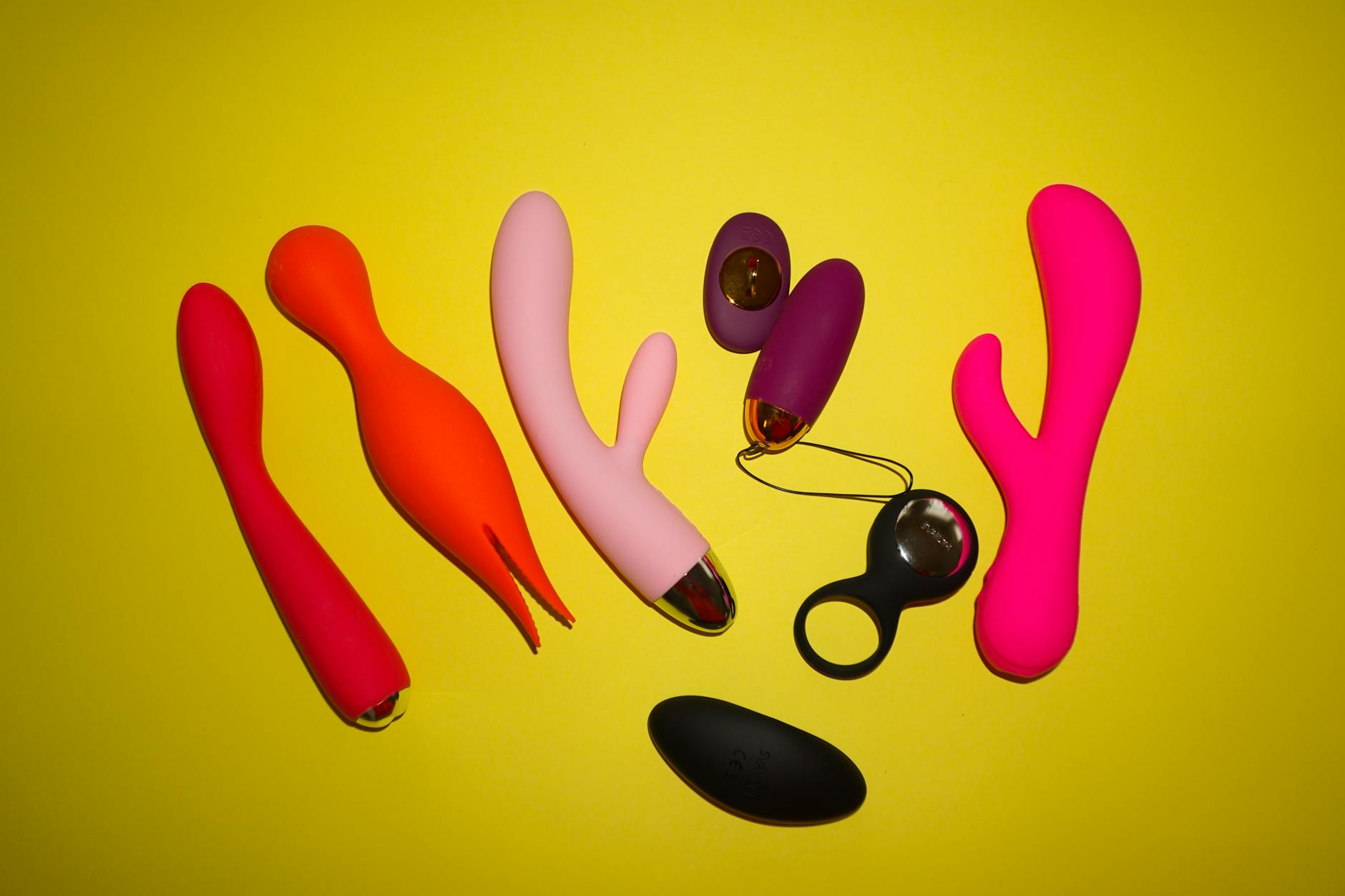
The thing nobody tells you about breastfeeding and desire
Let's be real. Breastfeeding is a beautiful, biological connection with your baby. It's also a tactile experience that can completely flatten your desire for touch from a partner. Your body spends all day being needed, held, and stimulated in ways that feel nurturing but leave zero bandwidth for arousal. By the time your baby is fed and down for the night, your nervous system is tapped out.
This is not in your head. It's not a relationship problem. It's physiology.
Why breastfeeding tanks intimacy
Three things happen at once, and they all work against pleasure.
Oxytocin overload. Breastfeeding floods your system with oxytocin, the same bonding hormone released during orgasm and partner sex. The result: your body satisfies that oxytocin need through nursing, leaving zero craving for it elsewhere. Your brain literally doesn't want sex because it's already getting the neurochemical reward it seeks.
Touch aversion. Constant skin-to-skin contact with your baby creates what researchers call "touch satiation." You've been touched, held, and stimulated all day. The idea of more touch, especially intimate touch, feels less like pleasure and more like one more demand on your body.
Hormonal fog. Prolactin, the hormone that powers milk production, actively suppresses estrogen and testosterone. Lower testosterone means lower desire, period. Lower estrogen means thinner vaginal tissue, less natural lubrication, and sometimes painful sensation. You're not broken. Your hormones are literally working against arousal.
Add in sleep deprivation, physical recovery from pregnancy and birth, and the mental load of early parenthood, and it's a wonder anyone wants sex at all.
Why a lemon vibrator works differently during this phase
Traditional vibrators rely on buzz intensity and repetitive stimulation. They work fine when your body is primed for sensation. But when you're touch-saturated and hormonally depleted, that approach often backfires. Too much stimulation feels like invasion, not pleasure. The sensation can feel numbing or irritating rather than building toward arousal.
A lemon clitoral vibrator uses air-suction technology instead. This means gentler, more rhythmic stimulation that doesn't require the heavy-duty vibration or direct friction that can feel harsh on sensitive postpartum tissue. The suction sensation is also different neurologically. It feels like fullness and building pressure rather than constant buzzing. Many people report it feels more like partnered touch, which actually helps bridge that gap between solo play and shared intimacy.
The result: you can build arousal without the sensory overload that makes you want to tap out.
Timing matters more than you think
Don't try this when you're already depleted. Wait until you've had a solid night of sleep, your partner has given you genuine space, and you're not actively nursing. The worst time is right after feeding your baby or when you're in that "touched out" zone.
The best time is usually a few hours after your last feed, ideally when your baby is napping or your partner is handling them. Your nervous system needs to shift from caregiving mode into something that feels like yours. That takes 20 to 30 minutes of actual downtime before you even think about pleasure.
Honestly, many postpartum people find that mornings work best if your baby is an early riser. One partner gets up with the baby, you get 30 quiet minutes to yourself. That mental separation makes all the difference.
How to actually use a lemon sucker during this season
Start without pressure or expectation. Lie down alone, fully clothed if that helps. Use a lemon vibrator on the lowest setting, just for five to ten minutes. You're not trying to orgasm. You're reminding your body that pleasure exists and that it can still belong to you.
Many breastfeeding people report that sensation feels muted at first. That's normal and temporary. Keep the pressure light. You're not aiming for intensity. You're aiming for consistency. Five minutes every few days, same time if possible, does more for your arousal baseline than one desperate attempt at a big finish.
Once you feel something shift. A tiny bit of warmth or interest. Stop. Don't push through. Let your nervous system recalibrate. Come back tomorrow or the next day. This is about rebuilding the pathway to pleasure, not forcing it.
When you do start to feel arousal return. It often happens suddenly, like flipping a switch. That's usually around three to six months postpartum, though it varies wildly. At that point, you can increase duration and intensity. But start slow enough that you feel safe and in control.
Bringing a lemon clitoral vibrator into partnered time
This is where things get tricky and require real communication. If you've been touched out and your partner has been sidelined, there's often tension underneath. A sex toy doesn't fix that, but it can help you both move forward.
Start solo. Get comfortable with the lemon vibrator on your own first. You need to know how it feels and what works for you. Only then bring it into partnered play, and only if you genuinely want to.
When you do introduce it together, be explicit about what you need. "I want to use this with you, but I need you to take the lead" or "I want you to use this on me while I relax" are totally different requests. One gives you control. One lets you receive without having to manage anything. Either is valid. What matters is saying it out loud.
Many couples find that a lemon vibrator actually helps rebuild intimacy because it takes the pressure off penetration. Your partner can participate without sex being the goal. You can experience pleasure without the full physical and emotional load of traditional sex. That often feels like a relief when you're already touched out.
The emotional piece nobody mentions
Guilt and shame stack up fast during this phase. You think you "should" want your partner. You worry they're losing interest. You feel broken. None of that is true, but the feelings are real and they actively kill arousal.
Here's what I tell my clients: your body is not broken. It's in a different operating system right now. Breastfeeding is a form of intimacy and bonding. Your body is prioritizing it. That's not a failure of your partnership. It's your biology doing exactly what it's designed to do.
Using a lemon vibrator or any toy is not cheating on your partner or a sign of trouble. It's reclaiming a part of yourself that got temporarily sidelined. It's actually what healthy couples do. They problem-solve together instead of letting resentment pile up.
If you're feeling shame about wanting solo pleasure or a toy, that's worth untangling with a therapist or trusted friend. You deserve pleasure. You deserve to feel like yourself again. That doesn't require guilt.
When to expect shifts
Around three months postpartum, hormones start stabilizing. Prolactin drops if you're exclusively breastfeeding and haven't started pumping heavily. Some people feel a shift in desire immediately. Others don't feel it until they wean or introduce some formula.
By six months, many people report that arousal is creeping back in. By twelve months, it's often close to baseline, though it might feel different than pre-baby. Your body has changed. Your relationship dynamics have changed. Pleasure might look different now, and that's okay.
The key is not waiting until month twelve to start exploring. Rebuilding pleasure after trauma or major life shifts takes time, and postpartum is a major life shift. Using tools like a lemon clitoral vibrator now means you're actively rebuilding that pathway instead of letting it atrophy.
A note on partners
If you're partnered and your partner is feeling sidelined, don't make this about the toy. Make it about the real conversation underneath. "I'm touched out and need space" is different from "I don't want you." Those sound the same but they feel completely different, and they require different solutions.
Sometimes the answer is more sleep. Sometimes it's your partner taking on more of the night wake-ups. Sometimes it's genuinely just time. Using a lemon vibrator doesn't fix relationship tension. It just gives you one tool to keep your own body alive while you're working on the bigger stuff.
If your partner is resisting toys or making your pleasure feel shameful, that's worth addressing. You're not asking permission. You're asking partnership. Those are different.
FAQ
How soon after birth can I use a lemon vibrator?
Wait until you've had your postpartum checkup and your provider has cleared you for penetration (usually four to six weeks). Solo external stimulation with a lemon clitoral vibrator can technically happen earlier if you're feeling physically ready, but mentally you often won't be. Listen to your body. There's no rush.
Will using a toy make breastfeeding feel weird?
No. They use completely different parts of your body and different neural pathways. Using a lemon vibrator on your clitoris has nothing to do with your breasts or nursing. You're not mixing up the biological connections.
Can I use a lemon sucker while I'm still heavily breastfeeding?
Yes, but manage expectations. Desire might stay low while prolactin is sky-high. That's normal and temporary. You're not broken. A lemon vibrator gives you a tool for pleasure on those rare moments when interest does peek through.
What if my partner feels threatened by a toy?
That's worth a real conversation. Many partners feel insecure when pleasure is introduced. The solution is usually reassurance and communication, not hiding the toy. "This helps me feel like myself again, and that's good for both of us" is different from "I need this because you're not enough." Be clear about what's true for you.
Should I use lubricant with a lemon clitoral vibrator during postpartum?
Yes. Postpartum tissue is often thinner and less lubricated, especially if you're breastfeeding. Water-based lubricant makes the sensation more comfortable and helps the suction work better. It's not a sign of anything wrong. It's just smart body care.
How long does it usually take to feel desire come back?
It varies. Three months is common for a small shift. Six months is typical for meaningful return. A year is the full baseline reset. But some people feel it at two months, and some don't until they wean. Hormones are individual. Don't compare your timeline to anyone else's.