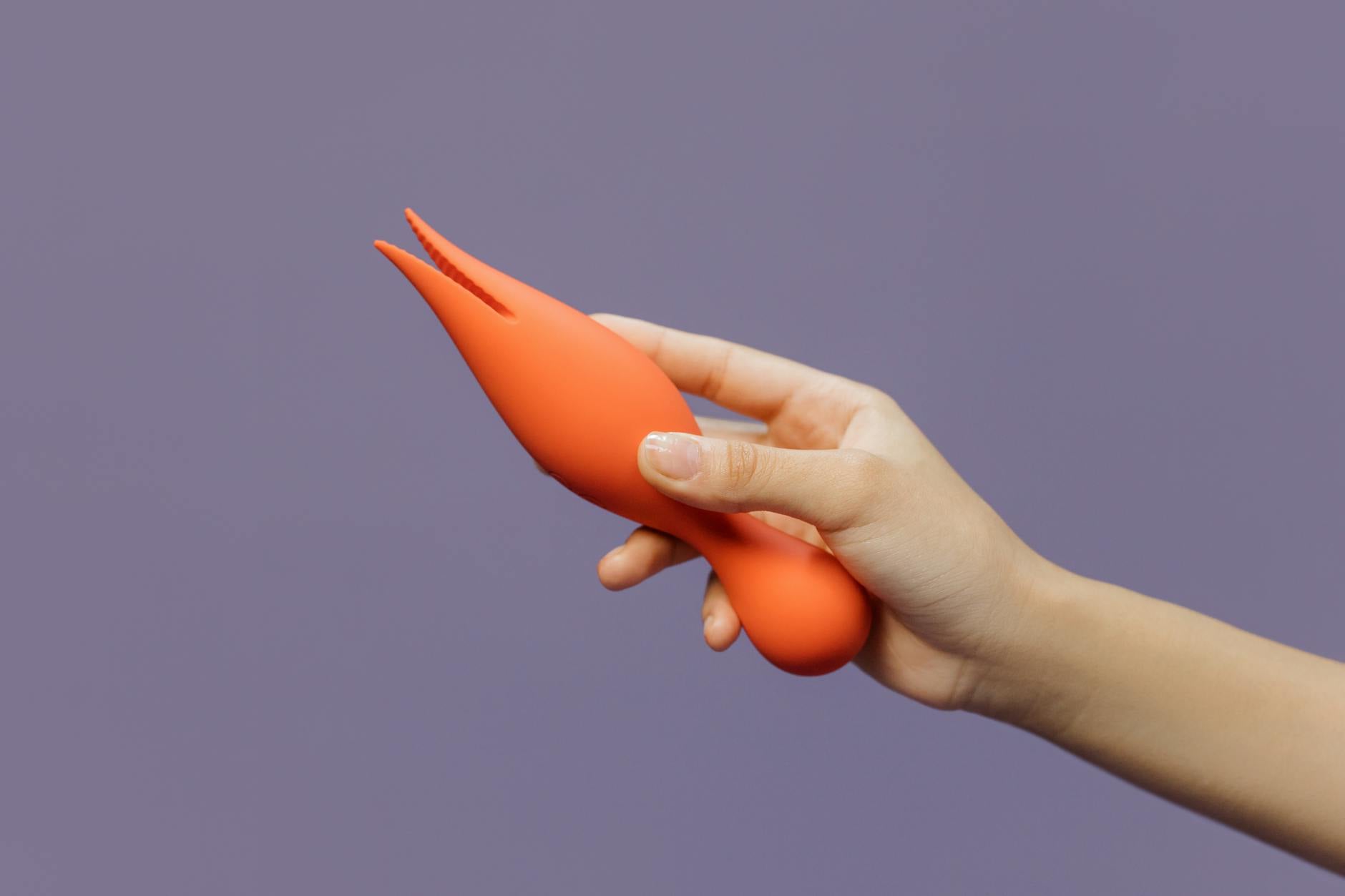
Let's talk about what you're actually looking for here
You've survived something hard. Now you're trying to reclaim a part of yourself that felt stolen. That takes courage, and it also takes patience with yourself when pleasure doesn't show up the way you remember it, or the way you expected it to feel.
Using a lemon vibrator after trauma isn't about forcing excitement or proving you're "healed." It's about building a relationship with your own body again, on your terms, with tools that let you stay in control. That distinction matters more than you might think.
Why trauma changes how your body responds
Trauma rewires the nervous system. Your body learns to stay vigilant. Even when your brain knows you're safe, your nervous system might not believe it yet. This shows up as numbness, difficulty with arousal, sudden flashbacks during intimate moments, or an inability to relax into pleasure even when you want to.
The clitoral nerve has direct pathways to your brain's threat-detection center. If your nervous system has learned to interpret touch as danger, pleasure circuits go offline. That's not broken. That's protective. Your body was doing its job.
What changes when you use a tool like a lemon vibrator intentionally is this: you introduce gentle, rhythmic, predictable stimulation on your own timeline. You're not waiting for someone else's pace. You're not negotiating your own comfort in real time. You're teaching your nervous system, slowly, that sensation can mean safety and pleasure, not danger.
The nervous system reset that happens with solo exploration
When you touch your own body for pleasure without pressure or performance, something shifts. There's no partner to reassure. No one's needs competing with yours. No expectation you'll orgasm or prove you're "normal" again. There's just your body, your attention, and a decision to give yourself permission.
This is where a lemon vibrator shines. Unlike fingers, which can tire or feel too vulnerable because they're direct skin-to-skin, the vibrator creates a buffer. It's a tool, not another person. It hums steadily. It doesn't demand reciprocation. It doesn't judge. You control the speed, duration, and intensity entirely.
Many of my clients say that this sense of absolute control is what allows them to relax enough to feel pleasure at all. They're not bracing for something unexpected. They know exactly what the vibrator will do because they're the ones doing it.
Starting small: why intensity matters less than consistency
The instinct when you've lost pleasure is often to chase it harder. Crank the vibrator to max, hope something ignites. That usually backfires because high intensity can feel overwhelming to a nervous system that's already vigilant.
Instead, start at pattern 1 or 2 on your lemon clitoral vibrator. Let the rhythm be boring. Let it be gentle enough that you almost wonder if you're feeling anything. That boredom is actually what you want. It allows your nervous system to calm down because nothing sharp or surprising is happening.
Spend 5-10 minutes here, without expectation of orgasm or even arousal. Just rhythm. Just noticing. This is not wasted time. This is training. You're teaching your body that touch can be neutral or even pleasant, not dangerous.
Over multiple sessions, as your nervous system learns the pattern is safe, arousal often begins to emerge. Not because you tried harder, but because your body finally relaxed.
The role of lubrication in feeling safe
Trauma can interrupt your body's natural lubrication response. Even if you're mentally aroused, your tissues might stay dry because your nervous system isn't confident enough to shift into parasympathetic (relaxation) mode.
Using a high-quality water-based lubricant is not a sign something is wrong. It's a choice to remove friction as a variable. It means you can focus entirely on sensation and rhythm without any discomfort pulling your attention away. This is especially important early in the reclamation process because discomfort can trigger a nervous system response that shuts you down.
Apply lubricant generously. Let yourself enjoy how it feels. You're not being inefficient. You're being thoughtful about what your body actually needs.
Grounding techniques to use alongside the vibrator
If you notice dissociation starting during a session (feeling numb, disconnected from your body, spacing out), pause the vibrator and anchor yourself with one of these:
Name five things you can see right now. Four things you can physically feel (the texture of the sheets, the temperature of the room, your feet on the floor). Three things you can hear. Two things you can smell. One thing you can taste. This works because it pulls your attention into the present moment and the physical sensations of now, which is safe.
Or try the 5-4-3-2-1 grounding technique: name five things you can see right now. Four things you can physically feel. Three things you can hear. Two things you can smell. One thing you can taste. This pulls your nervous system back into the present and your actual surroundings.
You can also keep your eyes open and focused on something soothing (a plant, a favorite object, the wall). Let your gaze be soft. Movement can help ground you too. Some people gently rock side to side while using the vibrator. Others press their feet firmly into the floor.
The lemon vibrator is a tool, but your mind's safety is the foundation. If grounding doesn't bring you back, stop. That's not failure. That's you listening to what your nervous system needs.
Why partnered exploration needs a different kind of conversation
If you have a partner and you're thinking about eventually using a lemon vibrator together, that's a different conversation than solo exploration. It requires you to have already rebuilt some confidence in your own pleasure first.
When you're ready for that conversation, it needs to start outside the bedroom. Tell them what you're learning about yourself. Explain that a vibrator isn't a replacement for them. It's a tool that helps your nervous system feel safe, which actually makes connection with them more possible.
If your partner struggles with this, that's worth exploring with a trauma-informed therapist. A partner who can't support your reclamation of pleasure is adding friction to a process that already takes enormous effort.
The right partner will say something like: "Tell me what helps you feel safe. I want to be part of that." That's the kind of presence that heals.
When to bring a professional into the picture
If flashbacks are intense or frequent during solo exploration, a trauma-specialized therapist who works with somatic approaches can help. Somatic therapy literally teaches your nervous system how to distinguish between past threat and present safety. It works alongside your own self-pleasure practice beautifully.
If you're noticing that dissociation or numbness isn't improving after several weeks of gentle, consistent use, that's also worth discussing with a provider. Sometimes the nervous system needs more support than a vibrator alone can offer.
You deserve to reclaim pleasure. That's not indulgent. That's part of healing.
The timeline looks different for everyone
Some people find that using a lemon vibrator solo for a few weeks shifts something fundamental. Others take months. Some find that pleasure comes back slowly as a whisper rather than a bang. All of these are normal.
The measuring stick isn't "Did I orgasm?" or "Do I feel like I did before?" The measuring stick is: Am I giving myself permission? Am I learning that my body can be a source of safety and pleasure, not just a place where bad things happened? Am I reclaiming agency over my own sensation?
If the answer to those questions is yes, then the lemon vibrator is doing exactly what it should. It's not about the vibrator. It's about you deciding that your pleasure matters enough to claim it back.
People also ask
Is it normal to feel numb when using a lemon vibrator after trauma?
Completely normal. Trauma can create what's called "protective numbness." Your nervous system is saying, "I'll keep you safe by not letting you feel." This isn't permanent. With patient, repeated exposure to gentle, consistent sensation that proves safe, feeling usually returns. It just takes time. Some people find that starting with lower intensities on the vibrator and building gradually makes this transition feel less jarring.
Can I use a lemon vibrator if I have flashbacks during intimate moments?
Yes, but with a modified approach. Solo use with grounding techniques is usually safer than partnered use when flashbacks are frequent. Start with very short sessions. 2-3 minutes of vibration, then pause and ground yourself. Gradually extend the time as your nervous system learns the pattern is safe. If flashbacks persist despite these adjustments, work with a trauma-informed therapist alongside your exploration. They can help your nervous system distinguish between past and present faster.
Does using a lemon vibrator mean I'm not healed yet?
Healing isn't a destination you arrive at and then you're done. It's an ongoing relationship with your body and your pleasure. Using a vibrator is part of active healing. It's you saying, "I'm taking agency over my own sensation." That's not a sign you're broken. That's a sign you're brave.
What if my partner doesn't understand why I need a vibrator to feel pleasure?
That's a conversation worth having, ideally with a couples therapist who understands trauma. Your pleasure isn't a referendum on your partner. It's a tool for your own nervous system regulation. A partner who loves you will want to understand this. If they're defensive or resentful, that's worth exploring because it tells you something about whether they can truly support your healing.
How long before using a lemon vibrator feels normal again?
This varies wildly. Some people feel comfortable within a few weeks. Others take months. The key is that "normal" isn't the goal. The goal is "mine," as in, "This is my pleasure, on my terms, in my body." When it starts to feel like that, the vibrator becomes just a tool, and you've reclaimed the thing that actually matters: your agency.
Can I use a lemon vibrator if I'm still in therapy for trauma?
Absolutely. In fact, many trauma-informed therapists recommend it. Using a vibrator is active nervous system work. You're teaching your body that sensation can be safe. Just mention it to your therapist so they can help you notice what's happening and validate it as part of your healing. They might even suggest specific timing or techniques that work alongside the therapy itself.
Remember: reclaiming pleasure after trauma isn't about forcing yourself to feel a certain way. It's about slowly, gently giving yourself permission to explore what your body is actually capable of, on your own timeline. A lemon vibrator is a tool for that exploration, but you're the one doing the real work. That's where the power is.
If you're ready to start this journey, begin with solo exploration in a space where you feel safe. Give yourself time. Be patient with numbness and flashbacks when they show up. And know that every moment you spend honoring your own pleasure is an act of reclamation.
Want to talk through what approach might feel right for your specific situation? Get in touch with us. We're here to listen, not judge.