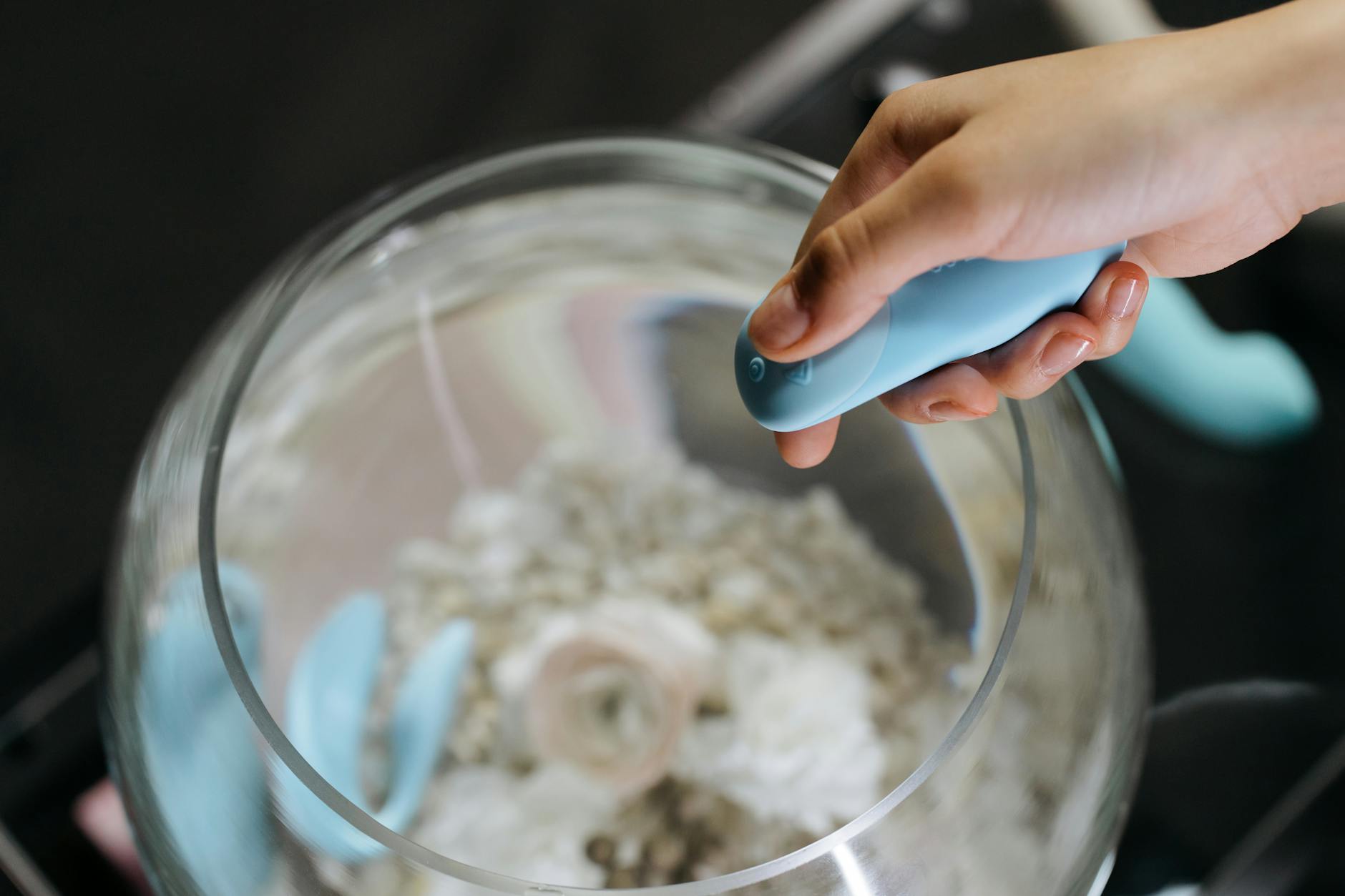
Why the long break happened (and why it matters)
Let's be real. You didn't forget your lemon vibrator exists. Something shifted. Maybe it was work stress that flattened your libido. Maybe a partner dynamic changed and suddenly the intimacy felt complicated. Maybe you had a health thing, or grief, or just the cumulative weight of life happening. None of that requires explanation or apology. Desire isn't a constant. It ebbs.
What matters now is understanding that taking a break doesn't erase your body's capacity for pleasure. It just means your nervous system has been elsewhere, and your pelvic floor has been holding tension you didn't know it was holding. Jumping back to your normal intensity or routine is like trying to run a 5K after three months of not moving. Technically possible. Wildly unpleasant.
The restart matters less because of your vibrator and more because of the conversation you're having with yourself about desire. If you're nervous about restarting, that nervousness is worth investigating. Is it shame? Distraction? A deeper relationship issue that a lemon vibrator can't solve on its own?
The first step: actually talk to yourself
Before you even charge your lemon vibrator, sit with one question: what do I want from pleasure right now? Not what you used to want. Not what you think you should want. Right now, in this moment of your life.
If the answer is "I have no idea," that's honest and useful information. It means you're starting from a place of genuine curiosity rather than obligation. If the answer is "I want to reconnect with my body," you're approaching this as self-care. If it's "I want to feel close to my partner again," that's a different conversation entirely, and it might not start with a vibrator.
Write it down if that helps. One sentence. "I want to..." Getting specific about intent makes the restart feel less like a chore and more like something you're actually choosing.
Rebuilding physical sensitivity
After a long break, your body needs a gentle re-introduction. Here's why: your pelvic floor muscles have likely tightened from stress or inactivity. Your nerve endings are still there, but they're not primed for stimulation the way they were. Your brain isn't in the habit of interpreting sensation as pleasure. You're essentially starting from a different baseline.
Start with touch, not the vibrator. Spend a few solo sessions (or partnered, if that applies) reconnecting with sensation using your hands. This isn't about orgasm. It's about reawakening the nerve pathways that register touch as pleasant rather than alarming. Warm water helps. Low lighting helps. No pressure helps.
When you do introduce your lemon clitoral vibrator, begin at the lowest setting. This is especially true for suction-based vibrators like the Lem, which can feel overwhelming if you jump straight to level 3 or 4. Start at pattern 1. Spend a few minutes there. Notice what you feel. If it feels good, stay. If it feels intense or uncomfortable, dial it back or take a break.
Expect two to four weeks of adjustment. Your body isn't broken. It's just recalibrating. Some people regain sensitivity in days. Others need a month. There's no deadline here.
The mental game is often the hardest part
Here's what I see in my practice again and again: the physical restart is easy compared to the mental one. You've been away from pleasure for a while. Your brain has stories about that. Maybe the story is "I'm broken now." Maybe it's "My body doesn't work the way it used to." Maybe it's "This is selfish when I should be focused on other things."
Those stories are real, and they matter, because your brain literally influences how your body responds to stimulation. Arousal is not just physical. It's cognitive. If you're in your head judging yourself, your nervous system stays in sympathetic mode (fight or flight) and pleasure stays locked away.
So before you restart, do this: identify the story. Say it out loud if you can. "I think I'm broken." Then ask yourself: is that actually true, or is that my anxiety talking? Most of the time, it's anxiety. You're not broken. You're just coming back.
The restart becomes easier when you separate the physical act from the emotional weight you've attached to it.
If you have a partner, this is a conversation
If you're restarting in the context of a relationship, the timing and framing matter. Your partner doesn't need to know every detail of your internal process, but they do need to know that things are shifting. "I've been stressed and distant from this part of myself. I want to reconnect with pleasure. I'm taking it slow." That's enough.
If your partner wants to be involved, you can set boundaries: "I need a few sessions alone to rebuild sensitivity. Then we can explore together." If the absence was partly about relationship disconnection, that's a bigger conversation, and it might not resolve with a vibrator. How to use a lemon vibrator with your partner covers that terrain more directly.
The worst thing you can do is pretend nothing has changed and jump into partnered intimacy without acknowledging the break. Your body will know. You'll tense up. You'll feel disconnected. Better to be honest about where you are.
A realistic restart schedule
Week one: Solo touch, no vibrator. 10-15 minutes, no goal. Week two: Introduce the lemon vibrator at level 1, patterns 1-2 only. 10-15 minutes, solo. Week three: Increase to pattern 3-4 if it feels good. Experiment with different positions. Week four: Extend sessions to 20-25 minutes. Add partnered intimacy if desired.
This is a guide, not a mandate. Some people move faster. Some move slower. The point is that you're building a foundation rather than forcing your body back into a habit.
What if sensitivity doesn't return
If after four weeks of gentle, consistent practice you're still not feeling much, it might not be about the break. Why lemon vibrators struggle with sensitivity issues digs into the medical and physical factors that can dull sensation. You might be dealing with hormonal shifts, pelvic floor dysfunction, or medication side effects. Worth mentioning to a pelvic floor physical therapist or your GP.
But most of the time, restarting after a break is about patience and removing the pressure. Your body hasn't forgotten how to feel pleasure. It's just been somewhere else.
The bigger picture
Restarting your lemon vibrator routine isn't really about the vibrator. It's about reclaiming a part of yourself that got put on pause. That matters. Your pleasure matters. Not as a luxury or an indulgence, but as part of your baseline health and self-connection. The restart is the moment you decide that's true again.
Give yourself permission to be exactly where you are right now. No shame. No rush. Just you, your body, and the slow work of coming back.
People also ask
How long should I wait after a health issue to restart my lemon vibrator?
It depends on the health issue. After gynecological surgery or childbirth, ask your doctor when internal penetration is safe. External clitoral stimulation with a lemon clitoral vibrator is often okay sooner. After pelvic procedures, pelvic floor physical therapy before restarting is worth considering. For general stress or illness, there's no medical reason to wait. Your body will tell you when it's ready.
Will my lemon vibrator feel different after I've been away from it?
Yes, slightly. Your body's sensitivity will have shifted, and your nervous system may feel the vibrations more intensely at first. This usually normalizes within a week or two. If it feels unbearably intense, you're definitely starting too high. Go down a level and give yourself more time.
Can I use lube to make the restart easier?
Absolutely. A good water-based lubricant removes friction and makes the sensation feel smoother rather than jarring. It also takes pressure off you to be naturally lubricated, which can happen slower after a break or during periods of low desire. It's a practical tool, not a sign that something's wrong.
What if I've lost interest in pleasure completely?
That's worth taking seriously. Anhedonia, the inability to feel pleasure in things you used to enjoy, can signal depression, hormonal imbalance, or significant stress. A conversation with your GP or a therapist makes sense. A lemon vibrator can't fix that on its own, though reconnecting with pleasure once you've addressed the underlying cause can be part of healing.
Should I tell my partner I'm nervous about restarting?
Yes, if they're part of your intimate life. You don't need to make it a heavy conversation. "I want to take it slow and rebuild comfort" is enough. Partners often feel relieved when you name what's happening instead of withdrawing without explanation. It opens the door to support rather than leaving them guessing.
How do I know if I'm pushing too hard vs. not pushing hard enough?
If you're dreading the session, you're pushing too hard. If you're curious and willing, you're at the right pace. Your body will also tell you through tension. If you notice your pelvic floor clenching involuntarily, dial it back. If you feel relaxed and present, you're in the zone.