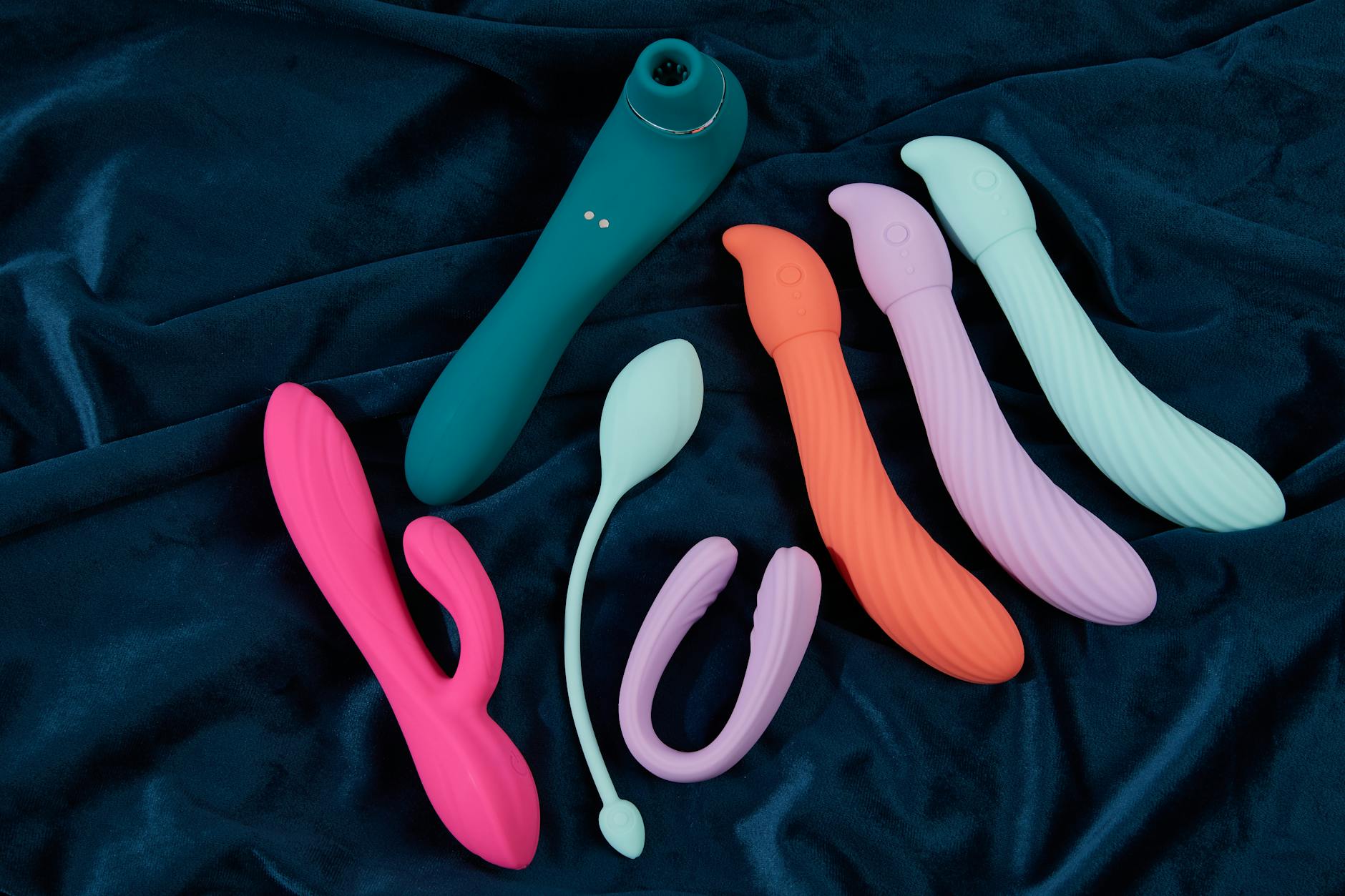
Here's what nobody tells you about clitoral sensitivity
Your lemon vibrator used to work perfectly. Then one day it didn't, and you thought something was broken inside you. Spoiler: it's not. Clitoral sensitivity shifts constantly. It responds to hormones, stress, medications, relationship dynamics, and plain old habit. Most people treat this like a personal failure instead of the normal biological reality it actually is.
I work with couples and individuals navigating these shifts constantly, and the panic is always the same: "It's not working anymore." Then we adjust the approach, and suddenly it works again. This isn't magic. It's just information you should have had already.
Why sensation changes over time
Your clitoris has about eight thousand nerve endings concentrated in a tiny area. That density makes it incredibly responsive, but also incredibly variable. Here's what causes the shifts.
Hormonal cycles reshape sensation dramatically. If you menstruate, estrogen peaks during ovulation and drops during your period. During the luteal phase (after ovulation), many people need stronger or different stimulation to reach the same intensity. If you're on hormonal birth control, you've essentially flattened your hormonal landscape. That can feel like consistent numbness because your baseline has shifted.
Pelvic floor tension is the sneaky culprit everyone overlooks. Stress, anxiety, and habit tighten the muscles around your clitoris. Tight muscles reduce blood flow and nerve sensitivity. You literally cannot feel as much when you're braced. This is why people often say they can orgasm when they're relaxed but not when they're stressed, even with the same device.
Desensitization from routine is real but fixable. If you've used the same pattern on the same device for months, your nerve endings adapt. This isn't damage. It's habituation. Your brain learns to filter out repetitive stimulation the same way you stop hearing your refrigerator hum. The solution isn't stronger. It's different.
Medication side effects matter more than people admit. Antidepressants, blood pressure meds, and antihistamines can all dampen sensation or delay orgasm. If this coincided with a new prescription, that's worth discussing with your doctor.
Age and tissue changes absolutely affect how clitoral vibrators feel. The tissue becomes thinner and more delicate, the skin loses elasticity, and blood flow changes. But here's the part everyone gets wrong: thinner tissue isn't less sensitive. It's more sensitive to pressure but sometimes less responsive to vibration alone. That's why people often say lemon vibrators work better after 40. Air-suction technology stimulates the nerve bundle without the grinding friction that irritates thinner tissue.
The difference between numbness and adaptation
This matters because the fix is completely different for each.
True numbness feels like nothing happens no matter what you do. Your body doesn't respond, pleasure doesn't build, and you feel disconnected. This can indicate a medication side effect, hormonal imbalance, or sometimes depression or anxiety doing its dampening work.
Adaptation feels like you need progressively stronger input to feel anything. Your device used to be perfect at pattern 3. Now you need pattern 5. Then 7. This is habituation, and it's usually fixable without changing devices.
For adaptation, the standard advice ("get a stronger vibrator") is backward. Stronger input creates faster adaptation. You'll chase intensity until you hit the ceiling of what the device can do, then you're stuck. Instead, you need variety.
The exact reset protocol that works
If you're experiencing adaptation with your lemon vibrator, here's what I recommend to clients.
First, take a break. Not from pleasure entirely, but from your device. Two to four weeks is usually enough. Use your hands. Focus on slower, longer sessions. Notice what manual touch teaches you that your device didn't. This resets the adaptation loop.
Second, rebuild pelvic floor awareness. Download a pelvic floor app or work with a pelvic physical therapist if you have access. Learn what relaxation actually feels like, not just kegels. Most people do kegels obsessively and wonder why sensation doesn't improve. Relaxation matters equally. Spend five minutes a day contracting and releasing deliberately. This improves blood flow and nerve sensitivity.
Third, rotate patterns. When you return to your lemon vibrator, commit to using only patterns 1 and 2 for two weeks. This forces your nervous system to find sensation at lower intensity. It resets your baseline. Yes, it will feel less intense at first. That's the point. You're training your brain to find pleasure in subtlety again.
Fourth, introduce novelty strategically. Add sensation in other areas. Use your hands on different parts of your body. Introduce a partner if you're partnered, and ask them to touch you while you use your device. Combine your lemon vibrator with lubrication (water-based only). The stimulation package changes even if the device stays the same.
Fifth, examine stress. If your pelvic floor is chronically tight, your pleasure ceiling stays low. This isn't fixable with a better vibrator. It's fixable with stress management. That might mean therapy, meditation, exercise, or relationship work. It's worth the investment because it transforms everything, not just device-based pleasure.
Photo by IFONNX Toys on Pexels
When you might need an actual solution, not a workaround
Sometimes sensitivity changes indicate something worth addressing with a professional.
If numbness appeared suddenly alongside new medication, your doctor needs to know. It might be a dosage issue or a switch worth trying. If numbness correlates with relationship tension, that's worth exploring in therapy or with your partner. If you notice pain or burning alongside sensitivity changes, that's a gynecological conversation. These aren't failures. They're just information.
One important note: people often blame their device when the real issue is positioning or technique. If you're using a lemon clitoral vibrator for the first time, or trying a new one, give yourself a genuine learning curve. Air-suction devices work differently than traditional vibrators. The Lem, for example, works best when you seal the opening against your clitoris. If you're not creating a seal, you won't get the full sensation. That's not a sensitivity issue. That's a technique issue. Once you dial in your positioning, the sensation usually clicks.
The real reset is often relational
Here's something that surprised me early in my practice: sensitivity often returns when people feel less pressure to perform. If you're using your lemon vibrator because you feel like you should be able to orgasm, not because you want to, your body knows the difference. Your nervous system tightens. Sensation dampens. You become the thing you're trying to escape: numb.
Some of my most successful clients are the ones who stepped back entirely for a while. They stopped tracking orgasms. They stopped comparing their experience to what they thought it should be. They used their device because pleasure sounded good that day, not because they'd set a goal. Then sensation returned on its own.
That's not magic. That's what happens when you remove the emotional weight from physical sensation. Your body is allowed to feel again.
People also ask
Why does my lemon vibrator feel less intense than it used to?
Adaptation or pelvic floor tension are the most common culprits. Your nervous system habituates to repeated stimulation, or your pelvic floor has tightened in response to stress. Both are fixable with breaks, pelvic floor relaxation work, and pattern rotation. Sometimes it's as simple as dehydration or not enough foreplay. Add five to ten minutes of manual stimulation before using your device and see if that changes the experience.
Can sensitivity come back after months of numbness?
Often, yes. If numbness correlates with a medication change, switching medications can help. If it's stress-related, therapy or stress reduction improves sensation substantially. If it's hormonal, sometimes timing adjustments or different contraception options help. The one thing I don't recommend is assuming it's permanent. Bodies are far more responsive to change than we give them credit for.
Is it normal for clitoral sensitivity to change throughout the month?
Completely normal. If you menstruate and aren't on hormonal birth control, your sensation will be different during different phases of your cycle. You might feel strongest during ovulation and need different stimulation during your period. This isn't broken. It's just variable. Once you understand your own pattern, you can plan accordingly.
Should I use a stronger vibrator if my current one feels less intense?
Not necessarily. Stronger often makes adaptation worse, not better. Try pattern rotation, breaks, and pelvic floor relaxation first. If those don't help after four weeks, then exploring a device with different sensation (like an air-suction lemon vibrator if you've been using a traditional vibrator) is worth considering. But stronger on the same device usually just accelerates the adaptation cycle.
What if sensitivity changes are from stress or anxiety?
This is real and common. Anxiety and stress directly tighten your pelvic floor and dampen sensation. Therapy, especially approaches like Cognitive Behavioral Therapy or Somatic Experiencing, can help rewire the nervous system response. Sometimes medication for anxiety improves sexual sensation because it reduces the baseline tension your body is carrying. This is worth discussing with a therapist or doctor.
Can sensitivity come back if I switch to a different device?
Sometimes, but usually temporarily. If you switch because you want novelty, sensation often improves just from the change. But without addressing the underlying adaptation, you'll eventually feel the same flatness with the new device. The real reset happens through breaks, stress management, and technique variation, not device swaps.
The part that actually matters
Your lemon vibrator isn't broken. You're not broken. Sensitivity shifts constantly because bodies are dynamic systems, not machines with fixed settings. The good news is that most sensitivity issues are reversible. The reset protocol works. Pelvic floor relaxation works. Breaks work. Stress management works.
The part that takes courage is trusting that sensation will return if you stop chasing it so hard. That's not a fail. That's you finally understanding how your nervous system actually works.