Let's be real about what happens after 30
Something shifts around 30. Not in a sad way. In a way that actually changes how pleasure works, and if you understand it, you can use it to feel more, not less.
Your clitoral sensitivity doesn't decrease after 30. It redistributes.
The outer layers of clitoral tissue become slightly less responsive to direct friction. The internal nerves, meanwhile, become more responsive to suction and sustained pressure. This is why so many people report that lemon vibrators, which use air-suction technology rather than traditional vibration, feel wildly different (and better) in their 30s and beyond than they did at 25. It's not placebo. It's biology.

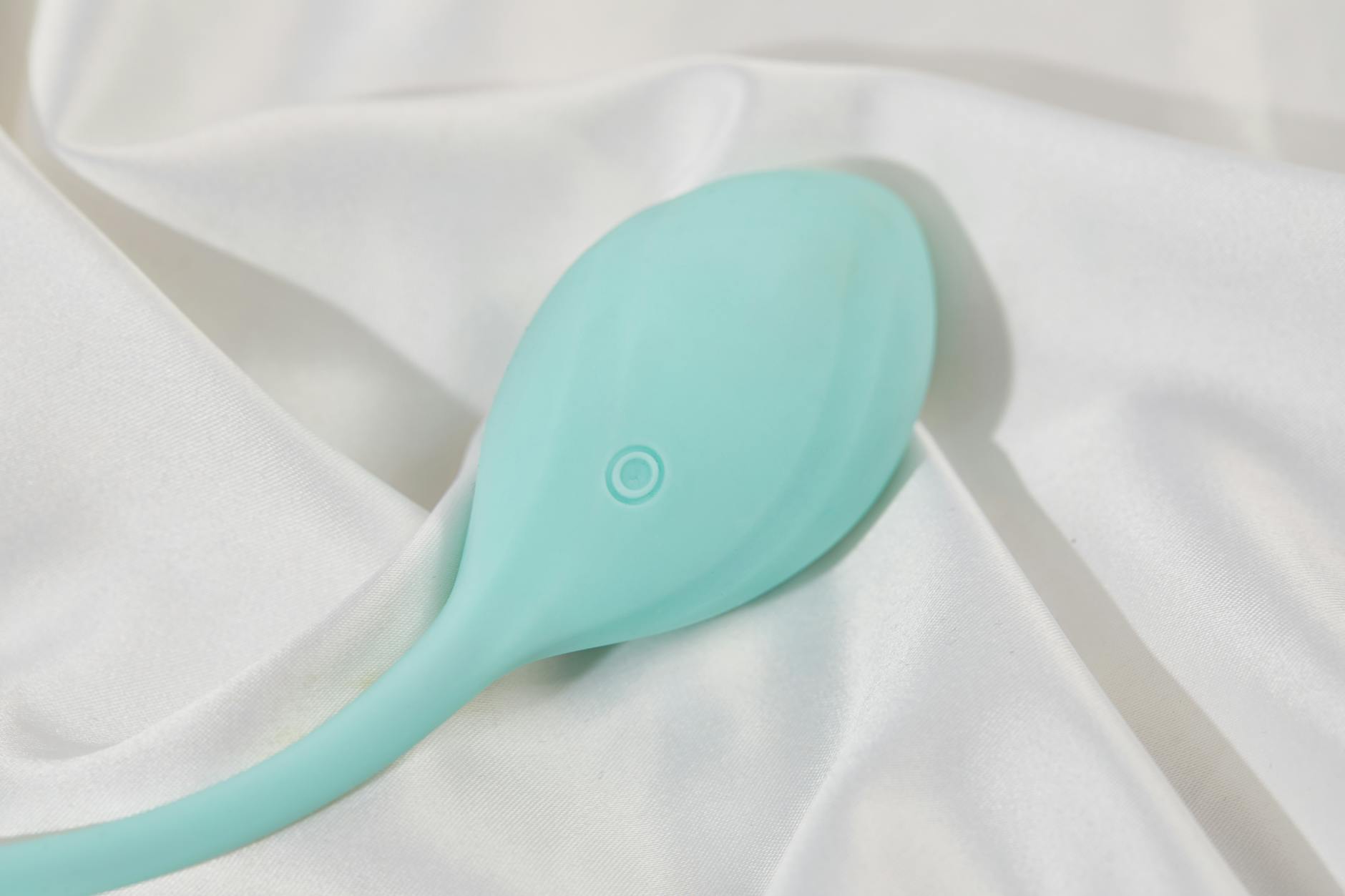
Photo by cottonbro studio on Pexels
The physiological shift nobody talks about
Your body doesn't lose sensitivity after 30. It changes the kind of sensitivity it has.
Collagen production naturally declines starting in your mid-20s. This affects clitoral tissue composition, making the surface slightly less elastic and the nerve clusters slightly deeper. That sounds like bad news. It isn't. It means the nerves that fire when you experience sustained pressure or suction become more accessible, more responsive.
At the same time, your pelvic floor muscles develop more tone and definition (assuming you're using them, which most of us aren't intentionally). A stronger pelvic floor changes how sensations travel through your body and how orgasm builds. Many people experience stronger, more localized orgasms after 30 because of this anatomical shift.
The lemon clitoral vibrator design works brilliantly with this change. Rather than relying on high-frequency vibration that needs to penetrate thin, elastic tissue, suction-based stimulation activates deeper nerve pathways that are primed and ready after 30. This is why users often report that the Lem vibrator feels more intense, more satisfying, and easier to reach orgasm with compared to traditional vibrators.
Hormonal recalibration: the invisible piece
Hormones don't just drop at menopause. They shift subtly throughout your 30s and 40s. Estrogen levels fluctuate more unpredictably. Testosterone peaks and troughs. Cortisol patterns change based on life stress.
One underrated consequence: your brain's responsiveness to arousal cues changes. The neural pathways that light up during sexual excitement begin to favor sustained, rhythmic input over novelty and variety. This isn't loss of pleasure capacity. It's a shift toward depth over breadth.
That's exactly what lemon sucker technology delivers. The pattern is consistent, the sensation builds gradually, and the experience deepens with time. Your nervous system after 30 is literally wired to respond better to this kind of input.
Why air-suction vibrators hit different
Here's the practical part: why lemon vibrators specifically feel better for many people after 30.
Traditional vibrators rely on frequency (typically 3,000-10,000 Hz) to stimulate surface nerves. Air-suction devices work differently. They create negative pressure that pulls tissue upward and inward, stimulating both surface and deeper nerve clusters simultaneously. For clitoral tissue that's become slightly less responsive to pure vibration, this dual-action approach is a game-changer.
Many users find that they need lower intensity settings on a lemon vibrator than they did on previous devices. This isn't a sign of decreased sensitivity. It's the opposite. You're feeling more with less, because the technology is working with your tissue's current sensitivity profile instead of against it.
The Lem vibrator in particular uses a gentle suction pattern with optional pulse modes, which means you can start low and build gradually. After 30, when your nervous system prefers sustained input, this approach tends to create more consistent, powerful orgasms than the ramping intensity patterns of traditional vibrators.
The mental shift that amplifies sensation
Something happens cognitively after 30. You care less what you're supposed to feel and more about what actually feels good.
This matters because pleasure is as much neurological as it is physical. Your brain's engagement directly affects your body's response. The same clitoral vibrator can feel dramatically different depending on your mental state, expectations, and whether you're performing for someone else or exploring purely for yourself.
After 30, many people report less performance anxiety, fewer intrusive thoughts during sex, and more capacity for sustained focus. This mental shift alone creates measurably better orgasms. Add in a device like the lemon clitoral vibrator that works with your body's current sensitivity profile, and you've got a setup that often feels revelatory.
What changes in the experience itself
If you've been using the same vibrator since your 20s, here's what you might notice shifting:
Orgasm shape changes. Instead of the quick peak-and-drop pattern of youth, post-30 orgasms often have a longer build, a more sustained plateau, and multiple peaks. Air-suction devices tend to amplify this effect because they work gradually rather than explosively.
Sensitivity mapping shifts. The exact spot on your clitoris that felt best at 25 might feel slightly different now. Many people find that the suction from devices like the Lem vibrator, which distributes pressure more evenly, feels better than point-focused stimulation.
Recovery time shortens. Your nervous system becomes more efficient after 30. Orgasms come faster, multiple orgasms become easier, and rest between sessions often decreases. This is pure biological advantage.
Mental presence deepens. You're less distracted, more focused, and more capable of sustained arousal. This is the biggest factor. Your brain is actually a better pleasure organ at 35 than it was at 25.
The role of lifestyle changes
Pleasure doesn't happen in a vacuum. What else changes after 30 that affects sexuality.
Stress management often improves. You've learned what doesn't matter. You're more likely to set boundaries at work and in relationships. You sleep a bit more consistently (hopefully). All of this improves sexual response. Cortisol dysregulation kills arousal faster than anything else. If your stress game got better in your 30s, that alone would increase sensation.
Relationship dynamics shift too. You're less likely to be performing, more likely to know what you want, and more direct about asking for it. If you're exploring solo, you have fewer hang-ups about pleasure being legitimate. This psychological freedom directly translates to physical sensation.
Exercise patterns change. If you've developed a regular movement practice by 30, your pelvic floor is likely stronger, your cardiovascular capacity is better, and your body awareness is sharper. All three directly improve sexual sensation.
How to work with these changes
If you're noticing that your usual routine doesn't hit the same way it used to, here's what actually helps:
Start with suction-based devices. If you've been loyal to traditional vibrators, try a lemon vibrator or similar air-suction technology. Your tissue might respond differently now. Many people find that after trying suction for the first time in their 30s, it becomes their go-to.
Lower your intensity baseline. You don't need to go hard to go deep. Start at the lowest setting and let sensation build. Your body's sensitivity profile has changed. Intensity isn't the answer anymore. Consistency and attention are.
Extend your warm-up time. Your nervous system after 30 prefers gradual arousal. Budget 10-15 minutes before reaching for any toy. Let your body actually wake up.
Pay attention to your cycle. Hormonal fluctuations become more pronounced in your 30s. Your clitoris is more or less sensitive depending on where you are in your cycle. Track what works when. This information is gold.
Check in with your pelvic floor. A stronger, more toned pelvic floor amplifies everything. Kegels help, but so does learning to consciously relax. Both build awareness and control.
FAQ: Your actual questions about lemon vibrators after 30
Why does my clitoral vibrator feel weaker now even though it's the same toy?
Your tissue sensitivity has shifted, not decreased. The outer layers are slightly less responsive to direct vibration, but the deeper nerve clusters are more responsive to sustained pressure and suction. Your toy isn't weaker. Your body's response mechanism has evolved. This is often temporary frustration followed by discovering a device that works even better with your current anatomy, like a lemon clitoral vibrator with air-suction technology.
Can I still reach orgasm as easily after 30?
Yes, usually more easily. The myth is that pleasure declines. In reality, it deepens. Your nervous system after 30 is often more efficient at building and maintaining arousal. The catch: it requires a slightly different approach. You need consistency over intensity, presence over novelty, sustained stimulation over quick peaks. Once you align your technique with what your body actually wants now, many people find orgasms come faster and feel stronger than before.
Is there a difference between how lemon vibrators and regular vibrators work on my body now?
Yes. Lemon vibrators use suction, which activates deeper nerve pathways that become more responsive after 30. Traditional vibrators rely on high-frequency vibration, which works best on highly elastic tissue. As collagen production slows and tissue becomes slightly less elastic, suction-based technology often feels more effective and requires less intensity. Many users report needing to use their lemon vibrator on lower settings than they ever used traditional toys, and getting stronger results.
Should I change vibrators after 30 or is it just technique?
Both. Technique matters hugely. You need to adjust warm-up time, intensity levels, and the kind of stimulation you're using. But your body has also changed. A device designed to work with current post-30 tissue sensitivity, like the lemon clitoral vibrator, will often feel dramatically better than sticking with what worked at 25. It's not that your old vibrator is broken. It's that a new approach might unlock something better.
What if I feel less sensitive than I used to, not more?
That's usually not anatomical. That's stress, medication, relationship tension, or hormonal imbalance. Have your hormone levels checked. Assess your stress load. Talk to your partner about connection. Often once those pieces settle, sensation returns and deepens. If you genuinely feel less clitoral sensation and nothing else has changed, see a doctor who specializes in sexual health. Sometimes it's circulation, sometimes it's neurological, and sometimes it's fixable.
Do I need to buy a whole new setup or can I adjust what I have?
Start with adjustment. Extend your warm-up, lower your intensity, focus on sustained rhythm, and spend time learning your cycle. If after a month of intentional practice you're still not feeling it, then exploring a different technology like a lemon sucker designed for post-30 bodies makes sense. But most people find that understanding the shift and adapting their approach gets them 80% of the way there.
The bottom line
Your body after 30 isn't less capable of pleasure. It's differently capable. Your tissue composition has shifted, your hormones are more complex, your nervous system has developed preferences, and your brain is actually better at pleasure than it was at 25.
Understanding these shifts means you can work with them instead of fighting them. That often means exploring new technologies like lemon vibrators that are designed to activate the nerve pathways that are primed and ready now. It means letting go of whatever worked before and being curious about what works now.
Your pleasure has depth now that it didn't before. The trick is learning to access it.
If you want to explore what works with your body's current profile, check out the complete guide to lemon vibrators to understand the technology better. And if you have questions about your specific situation, reach out — we're here to help you figure out what actually works for you now.
References
- Brotto, L.A., & Salusso, D. (2013). Combining sex therapy and pharmacotherapy for female sexual dysfunction. Current Sexual Health Reports, 5(4), 206–213.
- Goldstein, I., & Berman, J.R. (2002). Vasculogenic female sexual dysfunction: Vaginal physiology and pathophysiology. Journal of Sex & Marital Therapy, 28(4), 293–304.
- Komisaruk, B.R., Whipple, B., Crawford, A., et al. (2004). Brain activation during vaginocervical self-stimulation in women with complete spinal cord injury. The Journal of Neuroscience and Neuroengineering, 1(1), 27–32.