When desire comes back, you're not the same person
You spent years not wanting sex. Maybe it was depression, maybe caregiving, maybe the slow erosion of a relationship into roommate territory. Then something shifted. Desire came back. And now you're staring at your own body like it belongs to someone else.
This is not a small thing. This is a reclamation.
I work with women in their late 40s and 50s who suddenly recognize themselves again in a mirror, and it's disorienting. The body that went numb is waking up. That's good news. The hard part is that waking up doesn't feel safe at first. You have to relearn the language of your own pleasure.
Why desire disappears and why it comes back
Libido doesn't vanish for one reason. It's a perfect storm of fatigue, hormonal shifts, relational distance, stress, and sometimes the simple fact that no one has touched you with intention in so long that you stopped expecting it.
For many of my clients, desire returns when the load lightens. Kids finally move out. A stressful job ends. A relationship either heals or honestly breaks. The nervous system finally exhales, and suddenly your brain has bandwidth for pleasure again.
Here's the thing: when libido returns, it often comes back differently. Stronger, sometimes. More knowing. Less apologetic. But also more vulnerable because you remember what it felt like to not want anything, and there's a small voice asking, "What if it goes away again?"
The body remembers numbness
Your nervous system spent years in shutdown. That's not a moral failing. That's a survival strategy that worked when you needed it. But numbness is sticky. Even when desire returns mentally, the body can take longer to wake up.
When you touch yourself or when a partner touches you, it might feel muted at first. Distant. You might have to work harder to feel arousal building. You might wonder if something is broken.
It's not broken. It's just booting back up.
This is where many people get discouraged and assume the libido won't stick around. They assume the numbness was permanent. It wasn't. But rebuilding sensation takes consistency and, honestly, the right tools.
Why a lemon clitoral vibrator changes the game
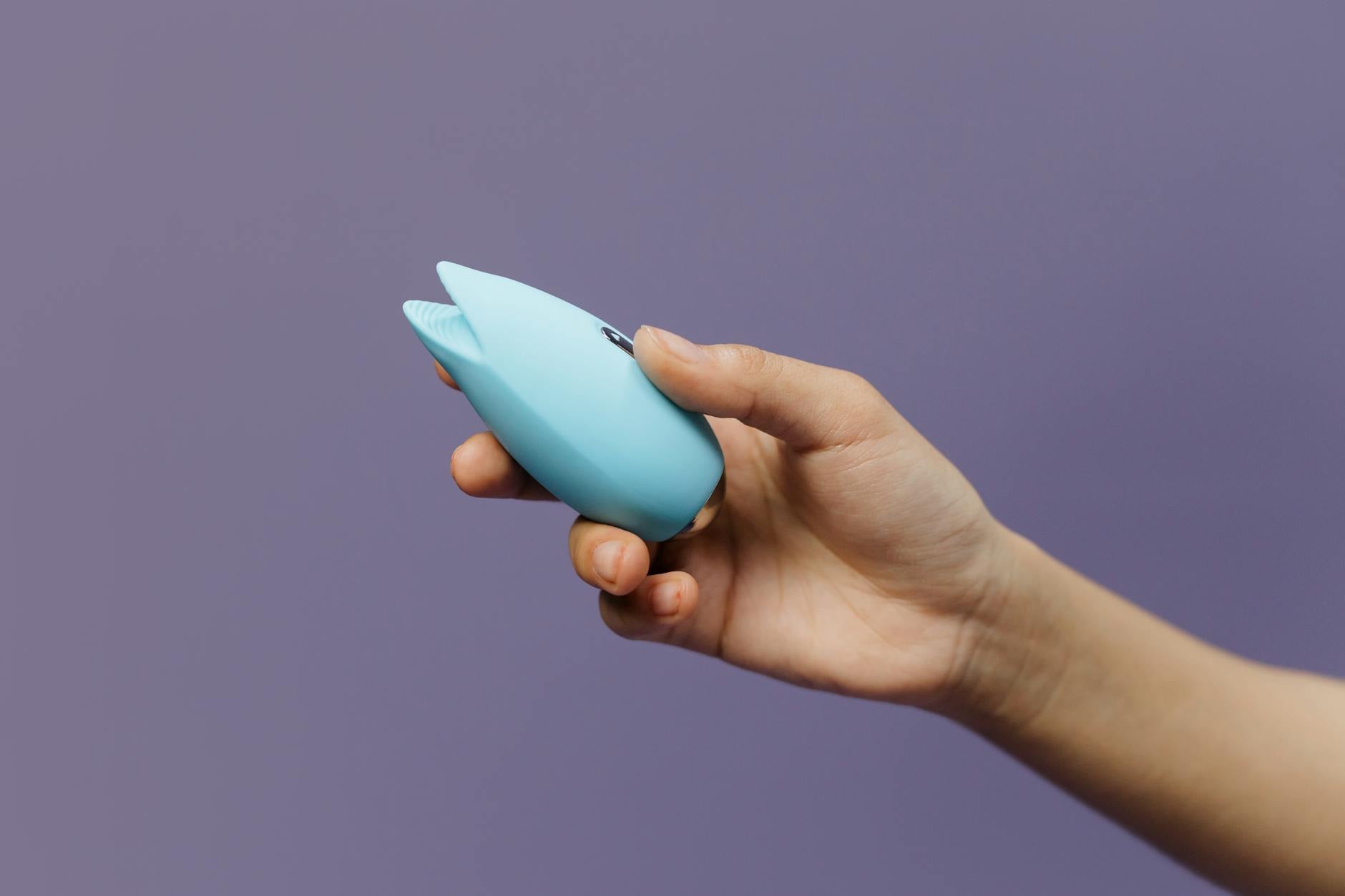
A lemon vibrator works through suction and pulsation, not through direct vibration alone. For someone whose body has been quiet for years, that matters.
Direct vibration can feel overstimulating when you're reawakening. Your nerve endings are sensitive in a new way now. They've been dormant. A lemon adult toy applies gentle, rhythmic suction that builds sensation gradually. You control the intensity. You can start low and stay low if that's what your body needs.
Many of my clients report that using a lem vibrator for the first time after years of no desire feels like finding a key they'd forgotten they had. It's not aggressive. It meets you where you are.
The suction also means you're not going numb through friction. With some traditional vibrators, the direct stimulation can dull sensation if you use it too long. A lemon sucker maintains that building sensation over time, which is exactly what a nervous system in recovery needs.
Starting small and staying patient
Your first time using a lemon vibrator after years away from pleasure might not feel like an orgasm. It might feel like noticing. Tingling. Anticipation. That's the nervous system learning to receive again.
Honestly, approach this like you're dating your own body. You wouldn't jump into intense sex with a new partner on the first date. Don't do it with yourself either.
Start with intensity level one. Spend 10-15 minutes, no goal. The goal is sensation, not outcome. You're rebuilding the neuro-pathway from touch to pleasure. That takes repetition, but it works.
Most of my clients notice a real shift within three or four sessions. The body starts anticipating touch again. Arousal builds more quickly. What felt numb three weeks ago now feels electric. This is neuroplasticity in action.
If you have a partner, here's how to let them in
Partners can get scared when desire suddenly returns. They might interpret it as criticism ("Why now and not before?") or anxiety ("Is this going to last?"). Or they might push too hard, wanting to make up for lost time, which can send your nervous system right back into shutdown.
Before you involve a partner, establish a relationship with your own pleasure first. Use your lemon vibrator alone. Get solid with what you're feeling and what you want. Once you trust your own response, you can invite your partner in.
Then be explicit. "I'm rebuilding this part of myself. I need us to go slow. I'm going to use this tool, and I'd love for you to be present with me without rushing me to any particular outcome."
Many couples find that reintroducing pleasure together is one of the most intimate things they do. It's not about the lemon sexual toy. It's about saying, "I want to feel alive again, and I'm asking you to witness that." That's powerful.
The mental part matters as much as the physical part
Your body might be ready. Your mind might still be running a loop of "I don't deserve this" or "What if I fail at this too?"
That's normal. When you've lived in shutdown for years, pleasure can feel like a betrayal of the coping strategy that kept you safe. Your nervous system had a good reason to go numb. Waking up means examining that reason.
This is where working with a therapist alongside using a lem vibrator can be genuinely transformative. You're not just rebuilding physical sensation. You're rebuilding your relationship to your own body, your worth, and your right to feel good.
Some of my clients journal while they're reconnecting with pleasure. Some practice grounding exercises first. Some light a candle and make it ceremonial, not clinical. The specifics don't matter. What matters is that you're creating permission.
When something feels wrong, stop
Rebonding with pleasure should not be painful. If pain appears, something needs adjustment. Maybe you need more lubrication. Maybe you need to start with even lower intensity. Maybe your nervous system needs more time.
Pain is information. It's not a sign that your libido returning was a mistake. It's a sign that something specific needs tweaking. Talk to a healthcare provider if pain persists. Don't push through it.
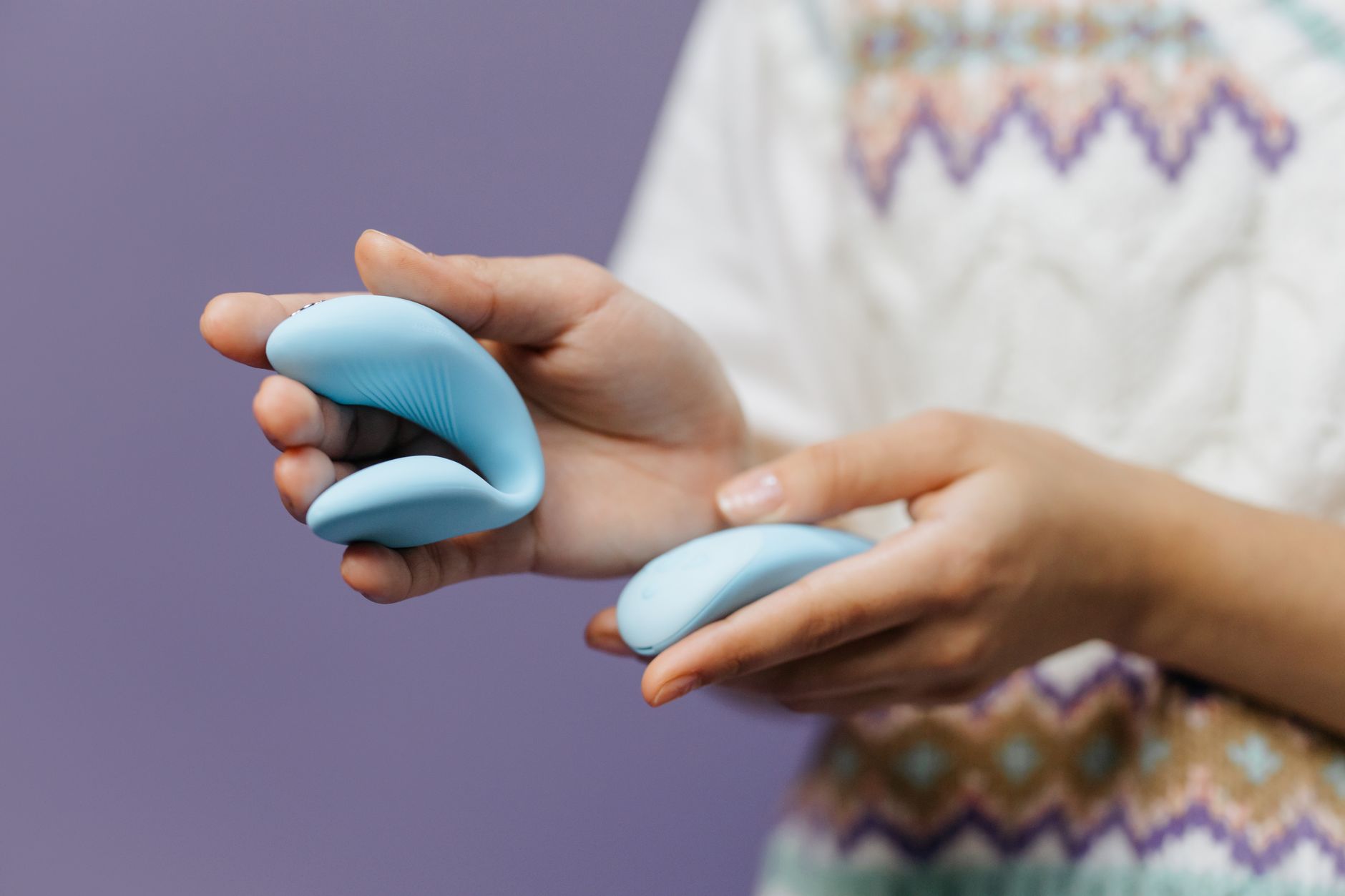
Photo by cottonbro studio on Pexels
The timeline is yours, not anyone else's
You might feel pressure to have figured this out by now. To be a sexual person again without hesitation. To prove that the libido that came back is here to stay.
Ignore that pressure.
Rebuilding pleasure after years of numbness is like rebuilding trust after a betrayal. It happens on its own timeline. Some people need weeks. Some need months. Some people cycle forward and backward, which is also completely normal.
A lemon clitoral vibrator is a tool that helps, but it's not a fix. The real work is the permission you're giving yourself to feel good again. That's the part that takes time.
What comes next
Once you've spent a few weeks reconnecting with your own pleasure, you might realize you want to explore more. Maybe you want to involve your partner. Maybe you want to understand your body better. Maybe you just want to keep doing what you're doing because it finally feels good.
All of those directions are right. There's no finish line here. This is the beginning of a new chapter where you get to decide what pleasure looks like for you now, not what it looked like before or what anyone else expects it to look like.
Libido coming back is a gift your nervous system is giving you. It's saying, "We're safe enough now. We can feel good." Listen to that signal. It's been quiet for a long time.
Questions about reconnecting with pleasure
How long does it usually take to feel sensation again after years of numbness?
Most people notice a shift within two to four weeks of consistent use, but everyone's timeline is different. Some feel something in the first session. Others need a month. Your nervous system has its own schedule, and that's okay. Consistency matters more than intensity.
Is it normal to not orgasm the first time I use a lemon vibrator after years away?
Completely normal. You're not trying to have an orgasm. You're trying to feel sensation returning. Orgasm might come, or it might not, and both are fine. The goal right now is noticing, not achieving. That shift in mindset is half the battle.
My partner thinks I should be ready to have sex with them now that my libido is back. What do I do?
Your timeline and your partner's timeline are separate. Libido returning doesn't mean you're ready for partnered sex immediately. You might need weeks of solo exploration first. Be clear about what you need: "I'm rebuilding this for me first. I'll let you know when I'm ready to involve you." A partner who respects that boundary is someone worth keeping close.
Can I use a lemon vibrator if I'm on hormone therapy?
Yes. In fact, many people find that a lemon clitoral vibrator works especially well alongside hormone therapy because it's gentler and more gradual than traditional vibrators. If you have specific health concerns, check with your doctor, but generally speaking, there's no conflict. The suction mechanism is safe for all bodies.
What if my body feels different now than it did before? Is that permanent?
Your body is different now. Age, hormones, life experience. all change tissue, sensitivity, and response. That's not worse. It's just different. A lemon adult toy is designed to work with those changes, not against them. You're not trying to recreate who you were. You're discovering who you are now.
How do I know if what I'm feeling is arousal or just sensation?
At the beginning, they might feel like the same thing. That's fine. Keep going. Arousal often builds gradually when you've been numb for a long time. You might not feel a sudden rush. You might feel a slow warming, a deepening interest, a sense of your body waking up. That's arousal. Trust it.
Your pleasure matters
You spent years not wanting anything for yourself. You learned to be quiet, to disappear, to make do with nothing. That was survival.
Now you're safe enough to want again. That's brave. Using a lemon vibrator while you rebuild that relationship with pleasure is one of the smartest things you can do. It's not indulgence. It's the opposite. It's reclamation.
If you want more support as you navigate this transition, reach out. We can talk through what reconnecting looks like for you specifically, and what tools and strategies might help you feel most like yourself again.