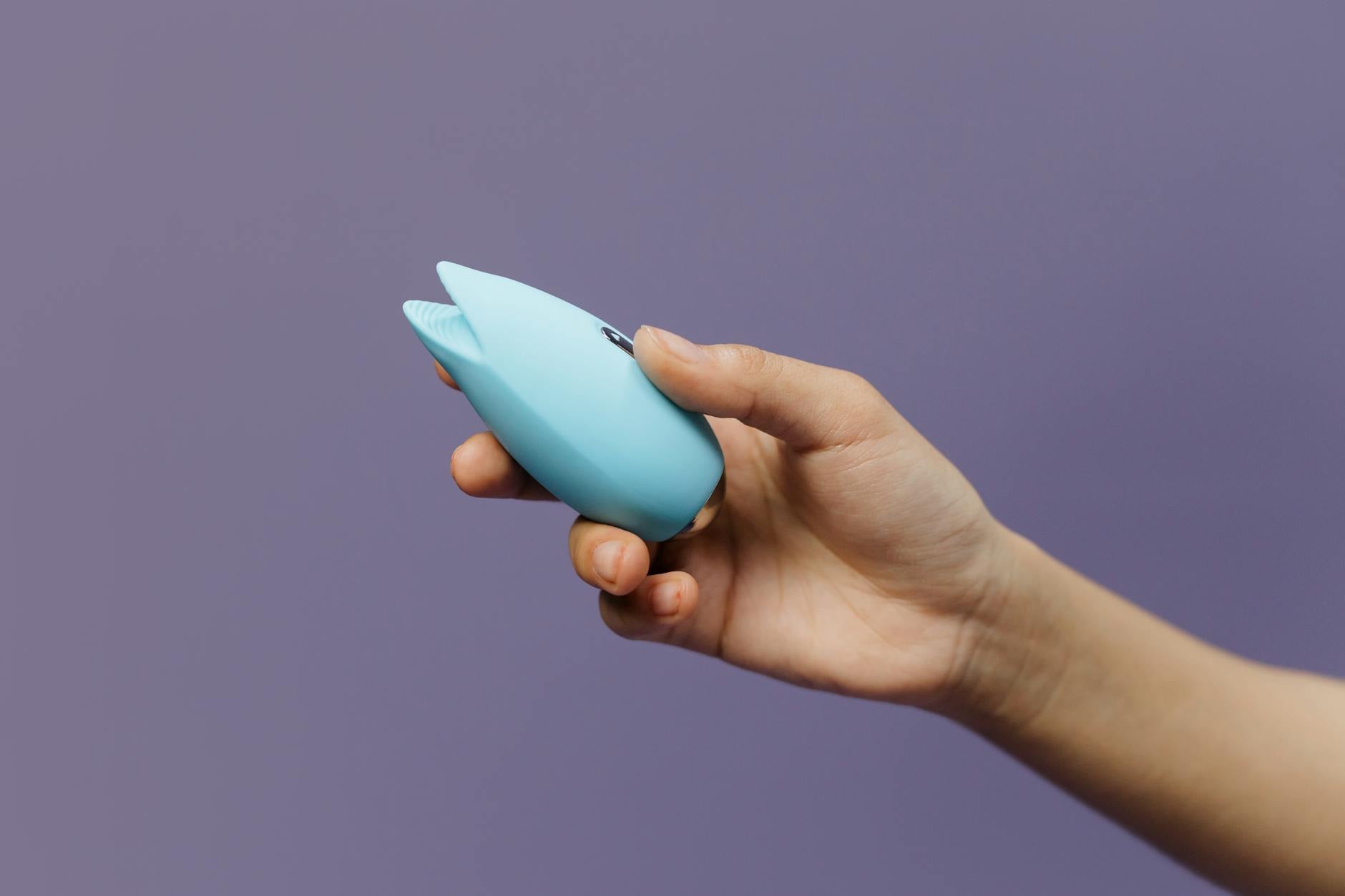
Let's start with the real timeline
Here's what nobody tells you: your body doesn't actually "heal" from childbirth. It transforms. And that transformation doesn't follow a six-week medical clearance like some kind of reset button. The physical recovery, the emotional reorientation, the hormonal nosedive. They're all separate timelines running in parallel.
Which means the conversation about returning to lemon vibrators, clitoral stimulation, and pleasure generally needs to be way more nuanced than "wait six weeks."
The physical reality of postpartum tissue
Whether you had a vaginal birth or a C-section, your pelvic floor is depleted. Pregnancy stretched it, and birth (or major abdominal surgery) stressed it differently. Estrogen bottoms out after you deliver, which means vaginal tissue gets thinner, less elastic, and way more vulnerable to tearing or irritation.
If you had an episiotomy or tore during birth, there's a literal wound healing. Those stitches typically hold for two to three weeks, but the tissue underneath continues remodeling for months. Scar tissue can be tender well past the point where your GP signs off on "cleared for sex."
What this means for lemon vibrators and other clitoral toys: penetration is off the table. But external stimulation to the clitoris? That's actually often fine sooner than you'd think, provided you're paying attention to how your body responds.
The key is gentleness. The Lemon's suction mechanism is actually kinder to postpartum tissue than direct vibration would be, because suction doesn't require the same friction that can irritate thinner, more fragile skin. That said, you're starting at the lowest setting.
When six weeks becomes "maybe twelve"
Your doctor cleared you for penetration at six weeks. That's a medical threshold, not a pleasure threshold. Most of my clients don't feel genuinely ready until month three or four, and that's normal.
A few markers that suggest you're actually ready:
Your lochia has stopped (all discharge, no more bleeding). You're sleeping more than two-hour stretches. You've stopped wincing when you sit down. You can do a Kegel without it feeling like your pelvic floor is made of concrete. You want to, not because you feel like you should.
That last one matters most. Postpartum desire is often mediated by touch deprivation, hormonal chaos, and survival mode. Sometimes it comes roaring back at month four. Sometimes it takes a year. Both are fine.
The hormonal layer (which nobody warns you about)
Your estrogen just dropped like a stone. If you're breastfeeding, it's going to stay low. Low estrogen equals dry tissue, which equals less arousal response, which equals a completely different experience of pleasure than you had before pregnancy.
This is temporary, but "temporary" might mean six months, might mean until weaning. Meanwhile, your oxytocin is flooding from bonding with your baby. The touch you crave is often baby-touch, not partner-touch. It's a real neurological conflict.
What this means for using a lemon vibrator again: don't expect the same sensation as before. Your clitoris hasn't changed, but the hormonal environment around arousal has. You might need longer warm-up time. You might find that suction feels different. You might discover that solo pleasure is easier than partnered pleasure right now, because there's no expectation, no performance pressure.
All of that is information. None of it is failure.
Starting slow with clitoral vibrators
If you're medically cleared and physically ready, here's how I guide clients back in:
Week one: hands only, solo, no toys. Just touch. The point is to reconnect with your own body without goal. Ten minutes, tops. No expectation of orgasm.
Week two: if week one felt good, introduce external stimulation. A Lemon on the absolute lowest setting, water-based lube (even though you might not need it, use it anyway — thinner tissue benefits), and same structure. Solo, no pressure, ten minutes. You're learning what feels different.
Week three and beyond: only if weeks one and two felt genuinely good. If your tissue felt tender, if you had spotting, if it just didn't feel right. Stop and wait. Your body is still in recovery.
There's no timeline you can speed up. Pushing past discomfort doesn't build resilience. It teaches your nervous system that pleasure isn't safe.
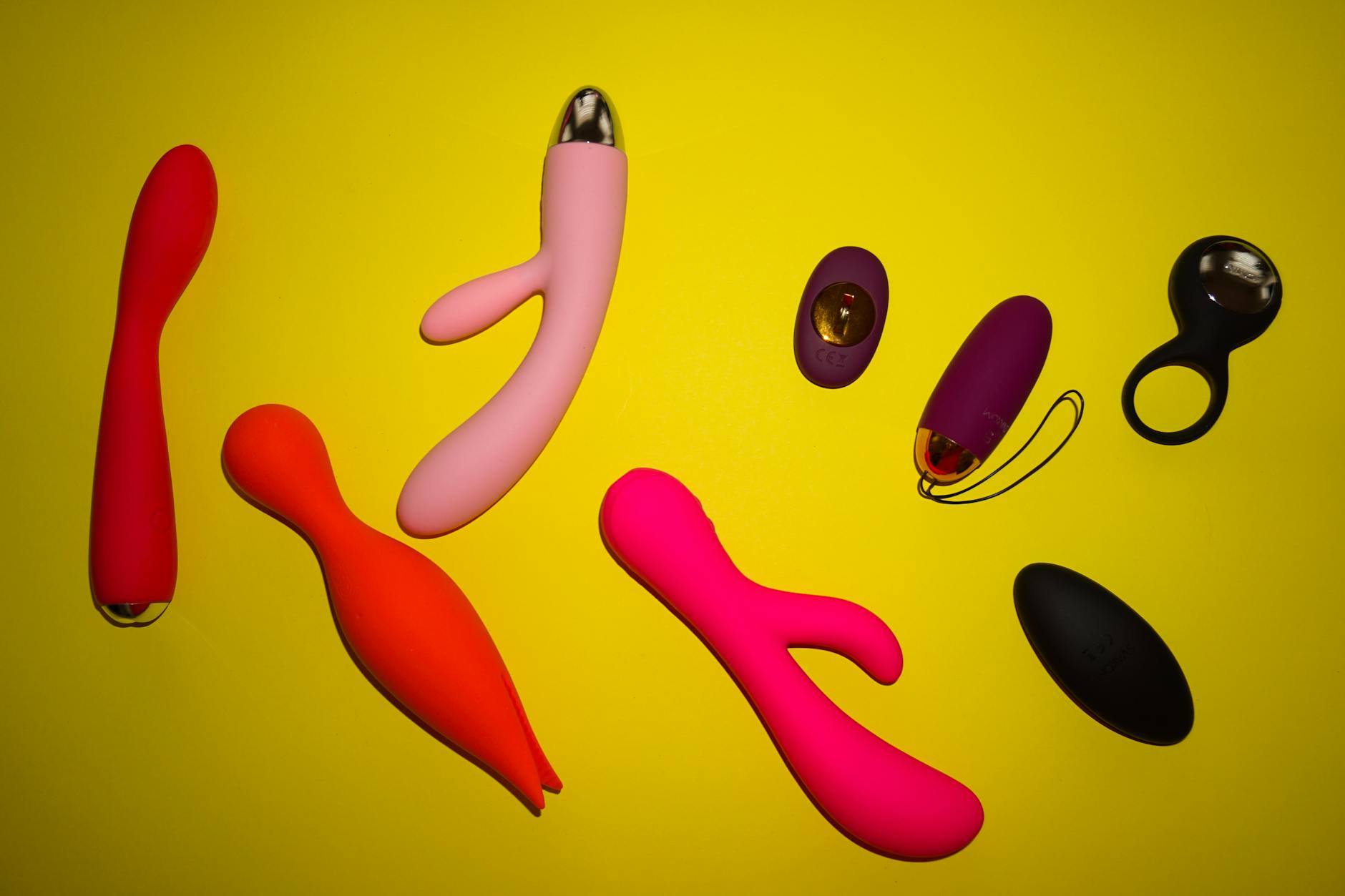
Photo by FounderTips on Pexels
What partners need to understand
This is where I see the most friction. Your partner is touch-starved. They see the medical clearance and think that means you're ready. Meanwhile, you're leaking from multiple places, you haven't slept more than two hours, and you're touched out from the baby.
Those are incompatible realities. They need to be named out loud.
Partners, here's what helps: assume you're not having sex right now. Assume you're in a period of rebuilding. When your partner uses a lemon vibrator, it's not foreplay leading to penetration. It's an act of solo pleasure while you're present, maybe touching them, maybe not. The goal is her orgasm or exploration, not mutual sex. That matters because it removes the pressure.
Partners also need to know that going slow with pleasure now actually makes the transition back to partnered sex easier later. When someone has consistently positive solo experiences with a clitoral vibrator, they're more likely to trust their body again. They have permission to want something. They remember what arousal feels like.
The mental piece (which is half the battle)
Your body is different. You might feel unsexy, exhausted, not like yourself. You might look in the mirror and see someone you don't recognize. That's not a mindset problem. That's a real adjustment, and the solution isn't positive thinking.
The solution is giving yourself permission to rebuild. Pleasure after childbirth isn't about reclaiming what you had. It's about discovering what's available now. Sometimes it's better. Sometimes it's just different, and different takes time to understand.
Give yourself that time. Stop comparing your postpartum body to your pre-pregnancy self. Stop assuming that six weeks means you're back to normal. Stop believing that you should want sex just because it's "cleared."
You just made a human. Your nervous system is recalibrating. Your hormones are rearranging. Your relationship with touch is shifting. That's not something you recover from in six weeks. It's something you integrate over months.
When to see someone
If you're having pain beyond tenderness, if you're having ongoing bleeding or spotting, if you feel numb or dissociated from pleasure, talk to your OB or midwife. Postpartum depression and postpartum anxiety often show up as disconnection from pleasure or aversion to touch.
If you and your partner are struggling with the gap between readiness timelines, that's the conversation for a couples therapist. This transition is real, and it helps to have someone outside the situation help you navigate it together.
The permission you actually need
You don't have to want pleasure right now. You don't have to feel sexy. You don't have to make your partner's timeline your timeline. You don't have to use a lemon vibrator just because it exists or because you used to love it.
What you do get to do is take time. Notice what your body is telling you. Return to pleasure when it feels genuinely appealing, not when you think you should. A clitoral vibrator will still be there in three months, or six, or whenever your nervous system says yes.
That's the real recovery. Not going back. Moving forward at your own pace.
Frequently asked questions
Can I use a lemon vibrator while breastfeeding?
Yes. Breastfeeding doesn't change the safety of external vibrators. What it does change is your hormonal state, which might affect arousal, lubrication, and how stimulation feels. The lower estrogen from breastfeeding is real, and it can make tissue drier. Use lube, go slow, and listen to your body. If something feels off, stop.
Will using a clitoral vibrator too soon hurt my healing?
If you're using it too soon, your body will tell you. Spotting, pain, increased cramping, or unusual discharge are all signals to stop. Your pelvic floor will feel sore the next day if you've done too much, too fast. That's not healing. That's re-injury. The point is to return to pleasure without setback. If you're feeling it the next day, you went too hard.
What if I don't feel desire to use a vibrator at all?
Completely normal. Low estrogen, survival mode, touch deprivation from the baby, sleep deprivation. All of these suppress desire. You're not broken. You're postpartum. When the conditions shift (more sleep, weaning, time), desire often returns. If it doesn't by six months postpartum, that's worth discussing with someone. But at three months? That's expected.
Can my partner use a lemon vibrator on me if I'm not ready for penetration?
Yes, absolutely. External clitoral stimulation from a partner can actually feel safer than solo use because there's less performance pressure and more connection. Go slow, use lube, and make it clear that this is about your pleasure, not about moving toward penetration. That boundary matters. Without it, you're likely to tense up and your nervous system will shut down arousal.
How do I tell my partner I'm not ready for sex?
Direct and boring. "I'm not ready yet. I need more time." Don't soften it with apologies or explanations. A simple statement tells your partner this is information, not a reflection on them. Follow it with what you do want: "I'd love to spend time touching without any expectation of sex." Or solo pleasure. Or a night where you're both present but nothing happens. Be specific. Vague leaves room for misinterpretation.
Is it normal to have less sensation or numbness after birth?
It can be. Pelvic floor trauma, nerve injury, or just the neurological reset that comes with low estrogen can all create numbness or reduced sensation. Most people regain it as estrogen rises or as breastfeeding ends. If numbness persists past weaning or past 12 months postpartum, talk to a pelvic floor physical therapist. They can identify nerve involvement and offer targeted treatment.
The closing thought
Postpartum isn't a four-week recovery followed by back-to-normal. It's a season of your body doing something it's never done before, and your brain and nervous system catching up to that new reality. Pleasure returns when the conditions are right. A lemon vibrator is a tool. The real work is patience with yourself.
If you need guidance on rebuilding intimacy with a partner during this transition, or if the gap between your readiness and theirs feels impossible to bridge, my team and I are here to help. Reach out anytime at /contact.