The performance anxiety trap is real (and it's not in your head)
Performance anxiety during sex isn't a character flaw. It's your nervous system doing exactly what it's designed to do: detect threat and shut down arousal. When you're with someone new, your brain is running a constant background audit: Am I doing this right? Are they into this? Do I look weird? Am I taking too long? That internal commentary is so loud that sensation becomes background noise.
Here's the thing nobody tells you: your body can't be aroused and anxious at the same time. They use different neurological pathways. So the harder you try to perform, the more you cancel out actual pleasure. It's a loop that feeds itself.
Why performance anxiety kills arousal in new relationships
When you're dating someone new, the stakes feel higher. You want them to want you. You're also still figuring out your body's response with this specific person, which adds another layer of uncertainty. The amygdala (your brain's threat detector) gets confused between "new situation" and "danger," so it defaults to caution. Arousal tanks. Suddenly what used to work easily now feels impossible.
The research is clear: anxiety narrows attention. Instead of feeling your partner's touch or your own pleasure, you're running a highlight reel of insecurities. That's not a failure. That's neurobiology.
But here's where it gets useful: you can interrupt that pattern without willpower or therapy (though therapy helps too). A lemon vibrator does something specific: it gives your nervous system permission to drop the performance and focus on sensation.
How a lemon clitoral vibrator breaks the anxiety cycle
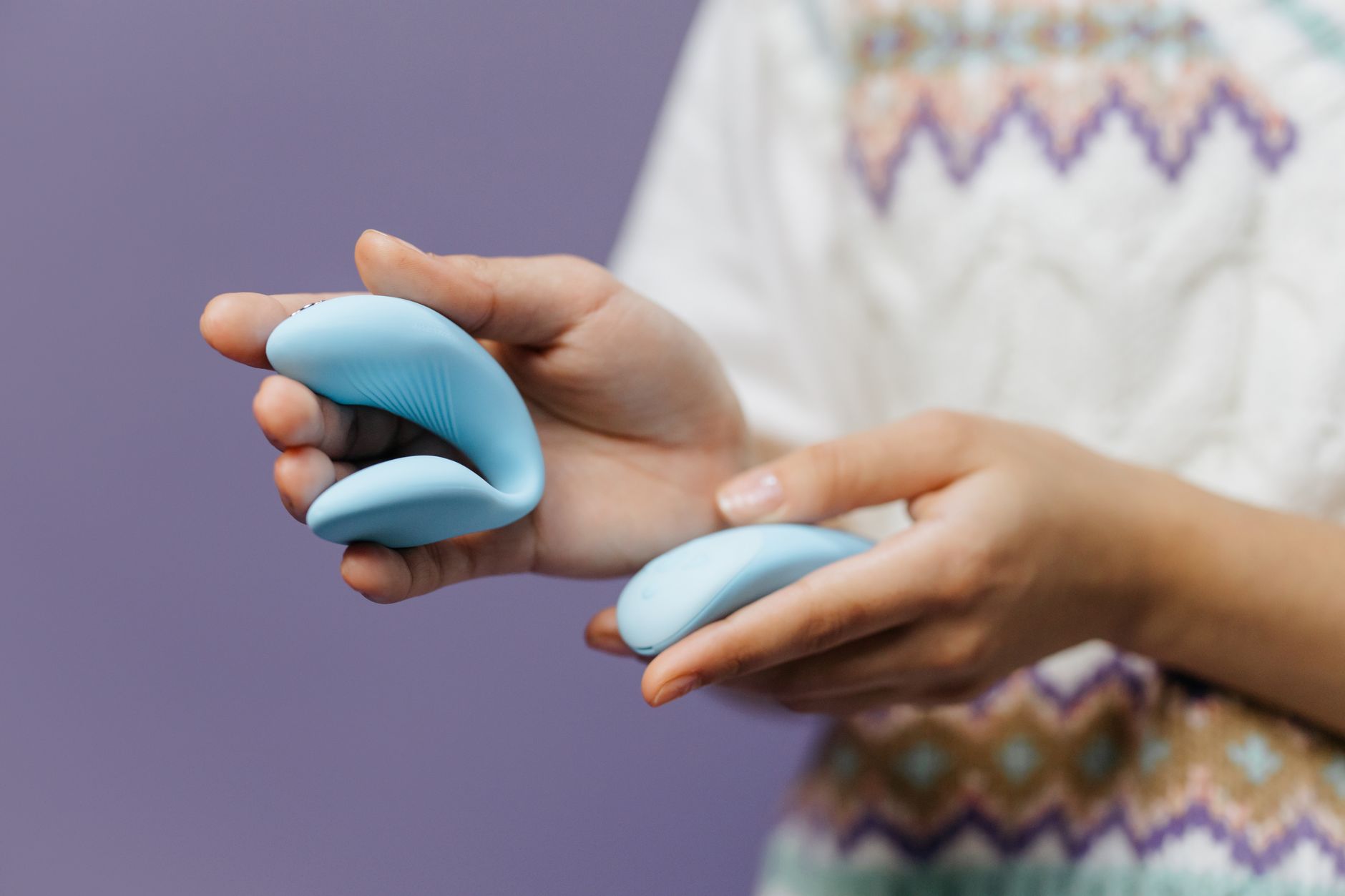
A lemon vibrator like the Lem uses gentle suction rather than buzzing vibration. That distinction matters when anxiety is running the show. Here's why.
Traditional vibrators use speed and intensity to override sensation. That's fine when you're relaxed and aroused. When you're anxious, speed feels demanding. It adds pressure. Your nervous system reads that as "faster, faster, now" and that internal critic gets louder: See, you're taking too long. You're holding things up.
Suction is different. It's rhythmic, not relentless. It doesn't feel like you're being pushed toward a finish line. Instead, it creates a gentle pulling sensation that actually quiets the nervous system. Your brain registers it as soothing rather than urgent. That simple shift in sensation can be enough to drop you out of your head and into your body.
When you're using a lemon sucker during sex with a new partner, it does something else: it gives you control. You're setting the rhythm and intensity. That agency reduces anxiety because you're no longer dependent on reading their responses or performing for them. You're actually engaged in your own pleasure.
Starting solo first isn't cheating, it's strategy
If you're dealing with real performance anxiety, the best place to start is alone. I know that sounds counterintuitive, but it's actually crucial.
When you're solo, there's zero audience. No one to impress. No one reading your body language. You can experiment with the lemon vibrator without that voice in your head narrating your failure. You're building evidence that your body does respond, and you do know what feels good. That matters more than you think.
Start with the lowest setting (usually pattern 1 on a Lem). Use it for 10 minutes without expecting anything. The goal is sensation, not orgasm. Let yourself notice what feels good. Does it feel better when you move it slightly? When you apply more pressure? When you breathe differently? That information is gold, because it reminds your nervous system that you're not broken. You're just learning.
After three or four solo sessions, you'll likely notice something shift. You know what your body responds to. You're not surprised by it anymore. That familiarity alone reduces anxiety.
Introducing the lemon vibrator to your partner
When you're ready to use the lemon clitoral vibrator with your new partner, the conversation matters as much as the toy.
Don't frame it as a performance upgrade. Instead, say something honest: "I've been exploring what feels good on my own, and I want to bring that into our time together. Would you be into that?" That sentence does three things. It normalizes masturbation (which matters). It centers your pleasure (which matters more). And it gives them the option to enthusiastically participate rather than feeling called out.
If they're hesitant, that's information too. But most partners are relieved. They're also probably anxious about performance. Shared pleasure takes pressure off both of you.
When you introduce the lemon sucker during foreplay, keep it simple. It's not a replacement for them. It's an addition. Maybe they hold it while you kiss them. Maybe you use it on yourself while they're inside you. Maybe it's just foreplay and then you move on. The variety keeps your nervous system engaged and curious instead of stuck in anticipation.
The psychological shift that actually changes things
Here's what happens when you use a lemon vibrator intentionally during performance anxiety: you stop performing.
The reason is biomechanical. When you're focused on sensation in your body, the prefrontal cortex (the part that judges and worries) takes a backseat. You literally can't be narrating your failure while you're also noticing that one specific spot that feels amazing. The brain doesn't have bandwidth for both.
After a few sessions of this, something clicks. You realize you were never broken. You were just distracted. And distraction is something you can actually manage.
For many people, that shift starts to generalize. The performance anxiety doesn't disappear, but it becomes less sticky. You have evidence now that your body works. You know what feels good. You've experienced being with someone while also being present in your own pleasure. That's a different operating system than pure anxiety.
Practical tips for consistent results
A few things I recommend to clients working through performance anxiety with a lemon clitoral vibrator.
First, use a water-based lubricant. Not because you need it, but because it changes the sensation and makes everything easier. It also signals to your nervous system that you're taking care of yourself, which sounds small but it shifts your mental framing.
Second, set a time boundary. Tell yourself you're using the vibrator for 15 minutes, no more. Performance anxiety loves open-ended situations. When you know there's a finish time, your nervous system relaxes a bit.
Third, if intrusive thoughts show up (and they will), name them and let them pass. Don't fight them. Your brain is just doing its job. You can think "that's anxiety" and keep going. The thought doesn't require action.
Fourth, keep the intensity low at first. I know the temptation is to crank it up and force an outcome. That's anxiety talking. Slow, sustained sensation actually works better for nervous systems that are stuck in activation.
When performance anxiety points to something deeper
If you've tried everything here and nothing shifts, that's not a lemon vibrator failure. That might mean there's deeper anxiety at work. Maybe relationship trauma. Maybe body image stuff that goes back further. Maybe depression or another condition that deserves professional attention.
That's not weakness. That's actually self-awareness. A lemon vibrator is a tool. Sometimes you need a therapist too. If anxiety is consistently preventing you from enjoying sex or dating, a few sessions with someone trained in cognitive behavioral therapy or somatic work can be genuinely transformative. Check out resources at /contact if you want a referral framework.
What often surprises people
Most of my clients expect that using a lemon vibrator will lead to better orgasms. Sometimes it does. But what actually surprises them is different: they feel safer. Not just with their partner. With themselves.
When you use a lemon clitoral vibrator intentionally and realize your body responds and your pleasure matters, something shifts. The performance anxiety doesn't vanish overnight. But you have proof now that it's not the truth. You're capable of sensation and arousal and presence. That's a different story to tell yourself.
If you're new to using a lemon clitoral vibrator, start with our guide on choosing the right toy based on your needs. And if you're in a relationship struggling with broader intimacy issues, we have resources on reconnecting after time apart that might help too.
FAQ
Does using a lemon vibrator during sex mean my partner isn't enough?
No. Using a lemon clitoral vibrator is about accessing your own nervous system and pleasure, not replacing your partner. Many people find that actually deepens intimacy because there's less performance anxiety and more genuine presence. Your partner may even find it hot to watch you experience real pleasure.
How long does it take for performance anxiety to ease up?
Most people notice a shift within 3-4 weeks of consistent use, especially when they start with solo play. Your nervous system learns that sex isn't a test. But the bigger shift, where anxiety becomes background noise instead of the main event, usually takes 8-12 weeks of regular practice. That doesn't mean every session is perfect. It means the anxiety stops being the default.
Can I use a lemon sucker if I'm on antidepressants that affect arousal?
Definitely. Many medications tank sensation, and a lemon vibrator can actually be more effective in that scenario because suction bypasses some of the numbness that traditional vibration can't reach. That said, if your medication is significantly affecting arousal, talk to your prescriber about timing or dosage adjustments. Sometimes a small change there makes a huge difference.
What if my partner gets uncomfortable when I use a lemon clitoral vibrator during sex?
That's worth a conversation, not a dealbreaker. Sometimes partners worry it means they're not satisfying you (hint: performance anxiety isn't just for people with vulvas). Sometimes they just need to understand what's happening. A simple framing helps: "This helps me actually feel good instead of worrying. It's for both of us." If they stay uncomfortable after understanding, that's information about whether you're sexually compatible.
Is there a difference between a lemon vibrator and a traditional vibrator for anxiety?
Yes. Traditional vibrators rely on speed and intensity. A lemon vibrator uses rhythmic suction, which actually calms a nervous system in activation. For people with performance anxiety specifically, the gentleness of suction often works better because it doesn't feel demanding. But individual bodies vary. Some people need to try both to find what clicks.
How do I know if my performance anxiety needs professional help?
If anxiety is preventing you from dating or enjoying sex consistently over months, or if it's tied to past trauma or shame, therapy can genuinely change your life. A few sessions with someone trained in sex-positive counseling or trauma work often shifts things faster than toys alone. Neither is cheating. Together they're powerful.