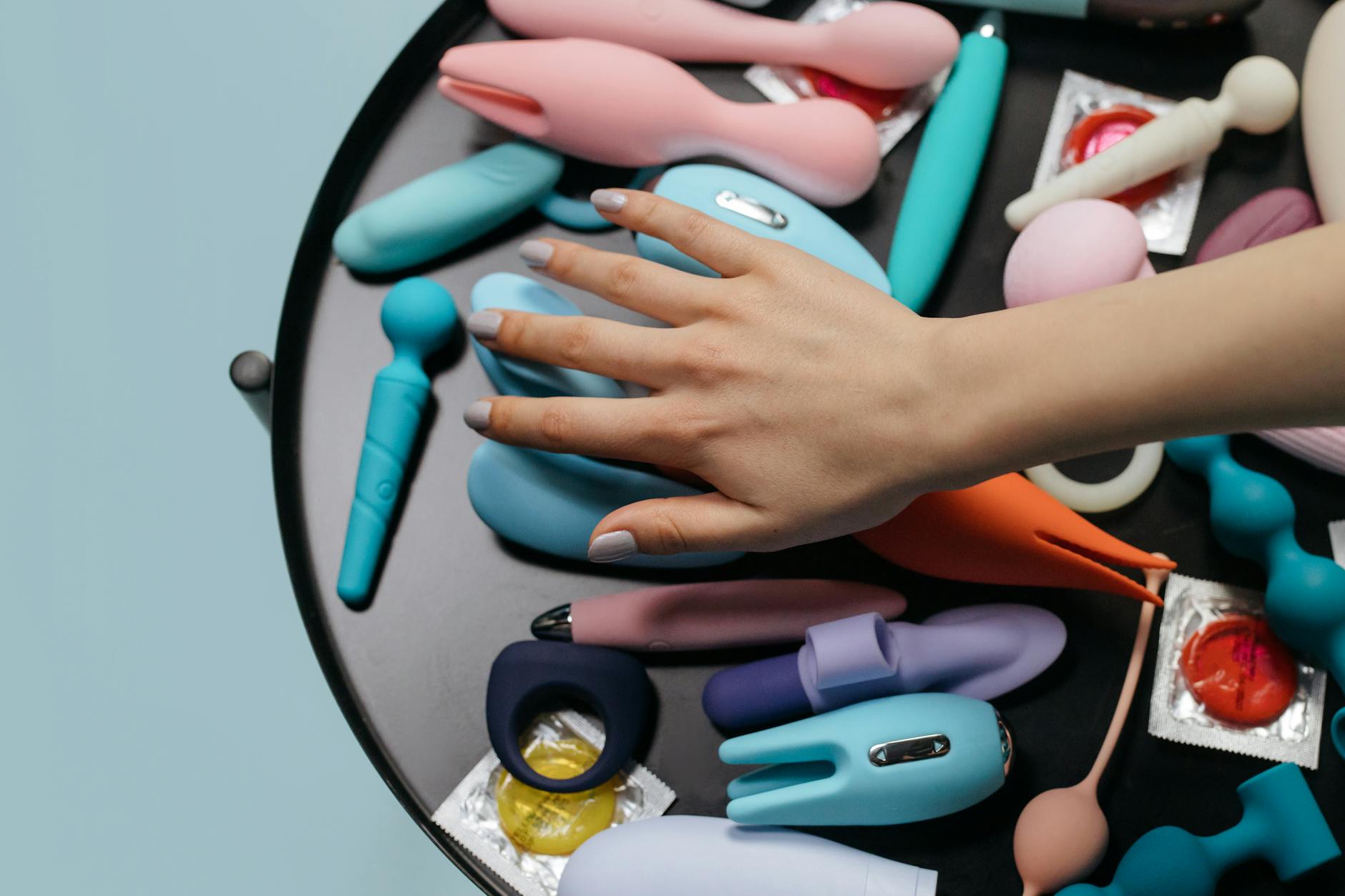
When sex stops feeling like desire
Let's be real: at some point, sex becomes something you do instead of something you want. It happens quietly. First it's occasional, then it's the default. You show up because you know your partner expects it, or because you believe you should want it, not because pleasure actually sounds good. The gap between obligation and desire gets wider with every encounter that feels like checking a box.
This is more common than you'd think. In my practice, I see high-functioning people who describe sex as a marital duty, something they prepare for mentally the way they prepare for a dentist appointment. They want to want it. They just don't. And a lemon clitoral vibrator, used strategically, can be the thing that helps you climb back out of that hole.
Here's why it works: a vibrator gives you permission to pursue pleasure for its own sake. Not for your partner, not for the relationship, not because the calendar says Thursday. Just for you.
The obligatory sex trap: how it starts
Obligatory sex doesn't usually announce itself. It sneaks in. Maybe you went through a period where desire dropped because of stress, medication, or life chaos. Maybe your partner's needs feel bigger than yours. Maybe you're managing kids, work, aging parents, and sex got filed under "things I have to keep someone happy about" instead of "things I actually enjoy."
When sex becomes obligatory, three things happen in your brain. First, you stop initiating. Second, foreplay becomes perfunctory because the outcome feels predetermined. Third, you start to dread it. Not dramatically. Just a low-level dread that builds every time your partner hints that they want to be intimate.
The kicker: obligatory sex kills actual desire faster than almost anything else. Because your brain learns that sex equals pressure, not pleasure. Your nervous system starts to associate it with performance anxiety instead of joy. By the time you realize it's happened, you're genuinely not sure if you can find your way back.
Why a lemon vibrator matters here
A lemon clitoral vibrator is the opposite of obligatory sex. It's selfish in the best way. It exists entirely for your pleasure, with no performance involved. No partner watching to see if you're enjoying it. No timeline. No pressure to reciprocate.
When you use one alone, you're not trying to turn your partner on or meet their expectations. You're literally just exploring what feels good. This distinction is huge. Your body can actually relax into sensation instead of monitoring your own performance. Most people who've been in obligatory-sex mode find that their first solo experience with a clitoral vibrator feels shocking because they realize how much tension they've been carrying.
The suction pattern of a good lemon vibrator is particularly useful here because it doesn't require the same intensity as a traditional vibrator. You can build sensation gradually without that jarring intensity that sometimes feels aggressive when you're already disconnected from your body. It gives you time to notice what feels good without overwhelming an already-tired nervous system.
Starting solo: rebuilding your relationship with pleasure
Before you even think about using a lemon vibrator with a partner, you need time alone with it. This is non-negotiable. You're essentially telling your nervous system that pleasure is something that belongs to you, not something you're managing for someone else.
Set a block of time when you won't be interrupted. Not rushed. Not in the back of your mind worrying about what your partner wants later. You get to be selfish. Start slow. If suction-based vibrators are new to you, begin with patterns one or two and just observe what happens. There's no goal here. You're not trying to orgasm or prove anything. You're just noticing sensation.
What most people find is that after weeks of obligatory sex, their body needs permission to relax into pleasure again. That takes time. Maybe your first few sessions feel neutral. That's okay. You're reprogramming your nervous system to understand that pleasure is a valid use of your time.
Honestly, many people report that the pleasure comes back faster than they expected once they remove the pressure. Your body remembers how to feel good. It just needs space.
The conversation with your partner: before, not during
If you're in a relationship, your partner probably senses that sex has become obligatory. They might be frustrated. They might feel rejected. They might think the problem is them or the relationship. It almost certainly isn't either. It's the dynamic itself.
Here's what helps: have the conversation outside the bedroom, outside sex time, when there's no pressure. Don't wait until your partner initiates and then explain that you've been feeling disconnected. That puts them in a defensive position immediately.
Instead, name it directly. "I've realized that sex has stopped feeling like something I want and started feeling like something I'm supposed to do. I don't like that, and I know you don't either. I'm going to take some time to reconnect with my own pleasure solo. That's not about you. I just need to remember what I actually like first." Most partners respond well to honesty. They're usually relieved that it's something you're actively addressing instead of just withdrawing.
Using a lemon vibrator alone is the first part of that addressing. It's you saying, "I take my pleasure seriously. I'm going to invest time in understanding what I actually want." That's different energy than just avoiding sex.
When you're ready to bring it into partnered time
After you've spent a few weeks reconnecting with solo pleasure, partnered time looks different. You're not trying to prove anything or perform. You're exploring what feels good with your partner present.
Some people find that using a lemon vibrator during foreplay helps bridge that gap back into desire. You're building sensation in a way that feels good to you, and your partner gets to participate in that rather than carry all the responsibility for creating pleasure. The suction feel of a quality clitoral vibrator is distinct enough that it reframes the experience. It's not the same as what you've been doing. It's something new.
Others find that using it together helps them remember why they were attracted to their partner in the first place. Pleasure is contagious. When you're genuinely enjoying something, that energy is different. Your partner can feel that you're actually present, not just going through the motions.
The physical and emotional reset
What I've noticed in my practice is that obligatory sex often comes with some physical disconnection. You're not in your body. You're above it, watching it perform. A lemon vibrator helps anchor you back into physical sensation in a way that's non-demanding. You get to notice your breath, your heartbeat, what actually feels good instead of what you think should feel good.
This physical reconnection often ripples into emotional territory. When your body stops feeling like a tool that's supposed to do something and starts feeling like something that can experience pleasure, your relationship with sex fundamentally changes. It's subtle but real.
What doesn't work: forcing it too fast
Don't use a lemon vibrator as a fix for obligatory sex if you're still in the mindset of obligation. If you think using a toy will suddenly make you want sex with your partner, you're missing the point. The vibrator is for you. For your nervous system to remember that pleasure exists and belongs to you. That comes first.
Also, don't introduce it to partnered time as a solution to the problem or a way to perform better for your partner. That just adds another layer of pressure. The magic happens when you're using it because you genuinely want to explore pleasure, not because you're trying to fix something that's broken.
The timeline isn't fixed
Some people shift out of obligatory-sex mode in a few weeks. Others take months. There's no right speed. You're essentially rewiring what sex means to you, and that takes what it takes. Be patient with yourself. The fact that you're recognizing the pattern and trying to change it is the important part.
Most people find that once they've had authentic solo pleasure experiences with a tool like a lemon vibrator, something fundamental shifts. Sex becomes something they can choose instead of something they manage. That choice is where desire actually lives.
FAQ: Obligatory sex and rebuilding desire
Can a lemon vibrator really help if I've totally lost interest in sex?
It can help you remember that pleasure exists and that it's something you're allowed to have. But it's not a magic fix for loss of desire if there's something deeper going on. If your lack of interest in sex is tied to depression, medication side effects, or serious relationship issues, a vibrator alone won't solve it. That said, reconnecting with solo pleasure is often the first step that makes other support possible.
What if I feel guilty using a toy when my partner would rather I want them?
That guilt often comes from the idea that pleasure should always be relational. It doesn't have to be. You're not choosing a vibrator over your partner. You're choosing to remember what pleasure feels like so that you can eventually show up more fully in partnered time. Most partners appreciate that work once they understand it.
How often should I use a lemon vibrator if I'm rebuilding desire?
Start with once a week, no pressure. Let it be something you look forward to instead of another obligation. If you find yourself eager to use it more often, that's usually a good sign that your body is reconnecting with pleasure.
What if my partner wants to use the vibrator with me immediately?
It's okay to ask for solo time first. Most people need a few weeks to get comfortable with a new toy and to experience pleasure without an audience. Once you've had that, partnered exploration often feels better because you're not learning on the spot while managing your partner's expectations.
Can using a clitoral vibrator alone make partnered sex feel distant?
Actually, the opposite is usually true. Once you know what feels good to you, you can communicate that to your partner. You're not guessing anymore. Pleasure becomes a conversation instead of a performance. That's usually closer, not more distant.
What if obligatory sex is a sign of a bigger relationship problem?
It might be. Sometimes obligatory sex is a symptom of emotional distance, mismatched needs, or unresolved conflict. A vibrator isn't going to fix those things. But taking time to reconnect with your own pleasure often gives you clarity about what's really happening in your relationship. Once you know what you actually want, you're in a better position to address the bigger picture.
The real shift
Obligatory sex teaches your nervous system that sex is something that happens to you. A lemon vibrator teaches it something different: pleasure is something you pursue, something that belongs to you, something worth protecting. That's the shift that matters. Once your body remembers that, everything else changes.
If you're feeling stuck in obligatory-sex territory, know that this isn't permanent. Desire doesn't disappear. It just gets buried under obligation. A good tool, time alone with it, and permission to pursue pleasure for its own sake can help you dig it back out. Start there. Everything else can follow.
If you want to dig deeper into rebuilding intimacy in your relationship, I'm here to help. Reach out anytime.