The stress that kills desire is different from the desire that's hard to build
Let's be real. When you've been stressed, distant, or in conflict with a partner for months, your body doesn't just snap back into wanting sex the moment things improve. Desire doesn't work like a light switch flipped back on. It's more like a pilot light that's gone out and needs to be relit slowly, with intention, and with zero pressure to perform.
Relationship stress tanks desire in specific ways. When you're managing conflict, protecting yourself emotionally, or cycling through resentment, your nervous system stays activated. You're defending, not opening. And your libido, which lives downstream from emotional safety, shuts down in response. This is not a personal failure. It's biology.
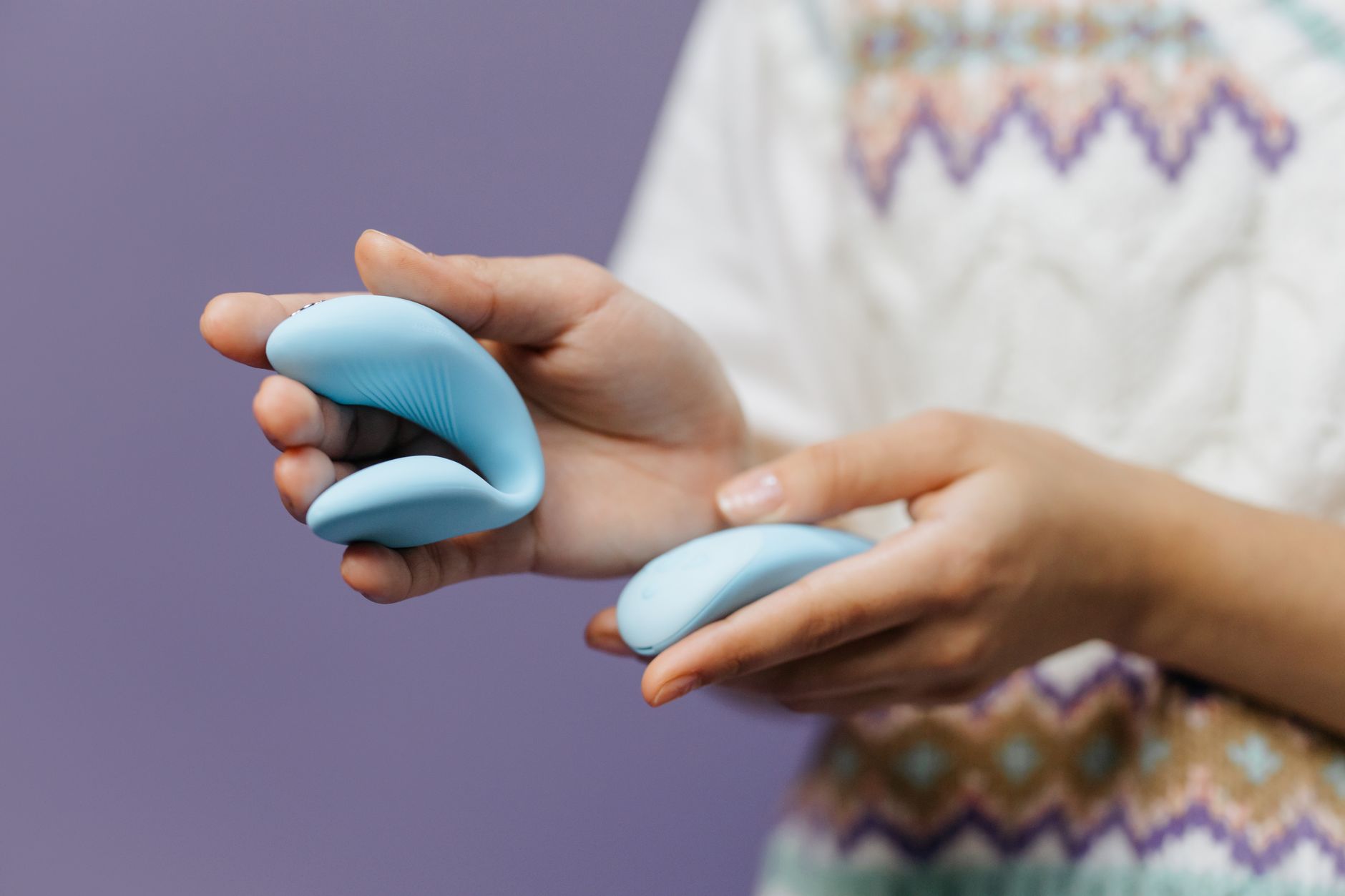
What I see happen over and over in my practice: couples reconnect emotionally, have a few good conversations, and then one partner initiates sex expecting the other to be immediately ready. That almost never works. The conversation healed the immediate rupture. But the body has its own timeline. That's where lemon vibrators, and specifically tools like the Lem, become useful. They let you rebuild desire on your own timeline first, before partnered sex re-enters the picture.
Why desire crashes after relationship stress
Three neurological things happen when you're in sustained conflict with someone you love.
Your nervous system stays in protection mode. Chronic stress keeps cortisol elevated. High cortisol suppresses testosterone and dopamine, both essential for desire. Your body isn't being prudish. It's being protective. Sex requires vulnerability, and your brain has learned that vulnerability with this person currently equals risk.
Resentment becomes arousal's ceiling. Anger and attraction live in different neural neighborhoods. When you're cycling through "I'm still hurt by what happened," your body isn't going to suddenly shift into receptive mode, no matter how hard your mind tries. The nervous system doesn't negotiate with logic.
You've mentally decoupled from your own pleasure. For months, maybe longer, sex has meant negotiating someone else's needs or working around tension. You've stopped thinking about what you actually want. Desire requires self-focus. Not selfishness. Self-focus. There's a difference.
This is where solo exploration, using a lemon clitoral vibrator like the Lem, becomes a legitimate therapeutic step, not a sidetrack.
Starting with solo use: why this comes before partnered exploration
Here's the thing therapists don't always say out loud to couples: if you haven't reconnected with your own desire, partnered sex becomes an obligation disguised as intimacy.
I typically recommend this progression: five to seven days of solo exploration with a lemon vibrator before any partnered sexual contact. No pressure. No timeline. Just you, your body, and a tool designed for solo pleasure.
Start simple. Use the Lem at pattern 1 or 2 for fifteen to twenty minutes. You're not trying to orgasm. You're trying to remember what pleasure feels like without the weight of someone else's expectations. That's the real work. The orgasm, if it comes, is just feedback.
Many people report that the first few sessions feel muted or effortful. That's normal. Your nervous system has been in defense mode. It takes time for the parasympathetic system (your rest-and-digest response) to override the alarm bells. Keep going. By day three or four, most people notice a shift. Sensation sharpens. The experience becomes less mechanical and more genuinely pleasurable.
Why lemon clitoral vibrators work specifically for this situation
When desire is fragile and trust is rebuilding, the tool matters. Air-suction vibrators like the Lem work differently than traditional vibrators, and that difference is useful here.
A lemon clitoral vibrator uses gentle suction rather than high-frequency buzzing. For someone whose body has been tense and guarded, that matters. Suction feels less aggressive. It builds sensation gradually rather than jolting your system. For people rebuilding trust in their own pleasure after stress, that rhythm is easier to sink into.
The Lem also gives you incremental intensity control. You can start at pattern one, stay there for weeks if you want, and gradually move to higher patterns as your capacity grows. There's no pressure to go faster or harder. You're building your own relationship with intensity, separate from anyone else's preferences.
And honestly, the tactile experience of using something designed specifically for clitoral pleasure (rather than something vague and multipurpose) sends a quiet message to your nervous system: you matter. Your pleasure is intentional, not incidental.
The conversation with your partner about solo use
This is where communication gets real. If you're rebuilding desire after relationship stress with a partner, they need to know what you're doing and why.
Don't frame it as a rejection. Frame it as infrastructure for reconnection. "I need some time to rebuild my own desire separately before we explore this together. This isn't about you. It's about me remembering what pleasure feels like without pressure."
Most partners, if they understand this logic, respect it. Some feel threatened. That feeling is worth exploring. Often it comes from fear that solo pleasure means the relationship's desire is gone for good. Reassure them it's the opposite. You're actively working to bring desire back.
If your partner responds with anger or dismissal, that's important information. It might suggest the relationship stress runs deeper than one conversation resolved. That's work for a couples therapist, not for a vibrator.
When to transition to partnered exploration
You'll feel the shift. After five to seven days of solo use, something typically changes. Sensation feels sharper. Pleasure feels less like a chore and more like something you actually want. Your nervous system has started to relax. That's the signal that your body is ready to explore with a partner.
Introduce it slowly. Let your partner watch you use the Lem solo first. That serves multiple purposes. It lowers the stakes of the introduction. It shows them how you use it. And it helps them understand that this is about your pleasure, not a criticism of theirs.
When you do explore together, keep the focus on sensation, not orgasm. Use the vibrator during foreplay, not as a replacement for other forms of touch. Let your partner apply it while you guide them on pressure and pattern. That shared experience rebuilds trust in a specific way. You're showing them how to pleasure you, and you're receiving that pleasure. That's intimacy.
The pressure you need to release completely
After relationship stress, one of the biggest mistakes people make is treating the return of desire as a deadline. "We've talked through things, so now we should want each other again." Nope.
There's no timeline. Some couples take two weeks to rebuild desire. Some take two months. And both are completely normal. A lemon vibrator helps because it lets you work on your own desire independent of that timeline. You're not waiting for your partner to turn you on. You're actively generating your own arousal.
And here's the thing nobody says: sometimes solo exploration reveals that the relationship needs more work than you thought. Sometimes you reconnect with your own desire and realize it doesn't extend toward this particular partner. That's also important information. Better to discover that through honest solo exploration than to force yourself into partnered sex you don't want.
FAQ
What if my partner feels threatened by me using a lemon vibrator solo?
That reaction usually signals fear, not preference. Often partners worry solo pleasure means the relationship's sex is over. Separate that conversation. "I'm using this to rebuild my own capacity for pleasure, which benefits us both. This isn't about you or my attraction to you." If they remain angry or controlling about it, that's a red flag worth discussing with a therapist.
How long should I use a lemon clitoral vibrator solo before trying partnered sex again?
Typically five to seven days minimum. Some people need longer. The signal is when pleasure starts to feel genuine and less effortful. That's your nervous system saying it's ready to gradually open back up.
Can I use the Lem if I'm still feeling resentful?
Yes, actually. Sometimes resentment is stored in the body as tension. Solo pleasure work using a lemon vibrator can help you process and release that tension, which then makes emotional conversations easier. Just don't expect desire to return before the emotional work is done.
Should my partner initiate or should I?
After relationship stress, I recommend the person whose desire crashed initiates first. It signals that you're ready and that you're choosing them. If your partner has been patient and respectful during your solo exploration, them seeing you initiate is emotionally significant.
What if orgasm still doesn't happen during partnered sex?
Orgasm is not the goal. Connection is. If you're feeling genuine pleasure and trust is returning, that's success. Orgasm might come later. Some people find that after months of stress, it takes several partnered experiences before their body fully relaxes enough for orgasm. That's completely normal and doesn't mean something's wrong.
Can a lemon vibrator help if we're still in conflict?
No. Solo pleasure work assumes the relationship conflict has been addressed enough that you feel emotionally safe, even if desire hasn't returned yet. If you're still in active conflict or trauma, see a couples therapist first. A vibrator isn't a substitute for that work.
What comes next
Rebuilding desire after relationship stress is incremental. A lemon clitoral vibrator isn't a magic fix. It's a tool that lets you do the real work, which is reconnecting with your own pleasure in a calm, pressure-free space. Once that happens, partnered sex becomes something you're choosing because you want it, not because you think you should.
That distinction changes everything. And that's when real reconnection begins.
If you're navigating this transition and want personalized guidance, get in touch. Sometimes the relationship work requires more than a tool. That's what I'm here for.