The conversation nobody wants to have
Your partner stops initiating. Weeks pass. You're confused, then hurt, then angry. By the time you mention it, the whole thing is loaded with resentment. Here's what I see in my office almost every week: one partner's libido tanks quietly, and the other partner interprets it as rejection.
It almost never is.
Libido doesn't just disappear because someone stops wanting you. It tanks because of stress, depression, medication, exhaustion, relationship tension that hasn't been named yet, or sometimes just a shift in how their body works. The problem is that when you don't know the actual reason, you fill in the blank with your own insecurity.
Why low libido in relationships is different from solo
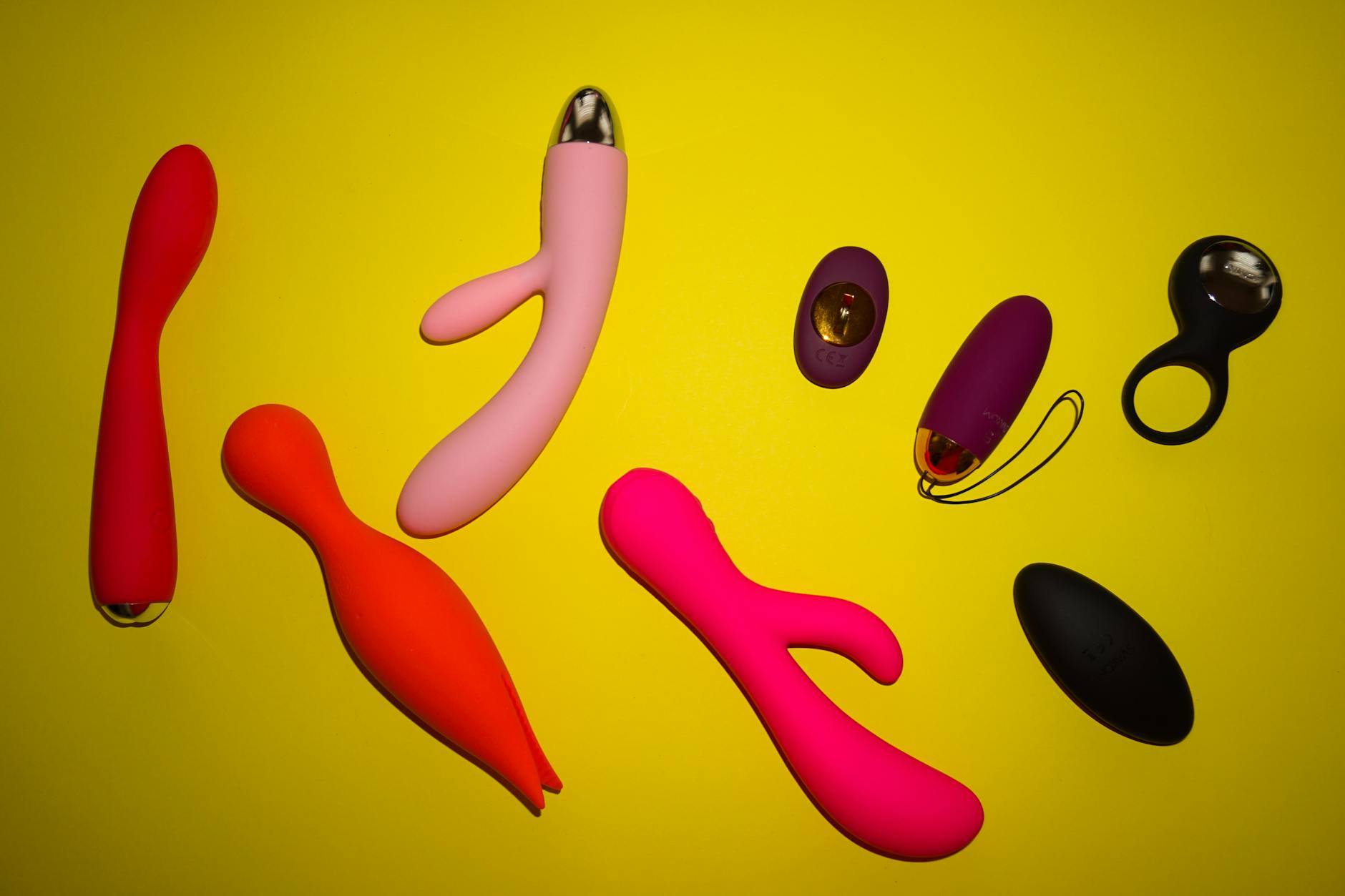
When you're alone with a lemon vibrator, it's straightforward. You set the pace, you know what you want, there's zero performance pressure. When your partner's desire has dropped, you're not just managing your own frustration. You're also managing the fear that asking for what you need will feel like pressure to someone who's already struggling.
This is where most couples get stuck. One person wants connection and reassurance. The other feels like they're being asked to perform while they're drowning. A lemon clitoral vibrator doesn't fix the underlying issue, but it does something crucial: it removes the pressure from both of you.
Instead of "we need to have sex," the conversation becomes "let's explore this together without expectation."
The first conversation you actually need to have
Before you even introduce a toy, ask the real question. Not "Why don't you want me?" but "What's actually happening for you right now?" Depression, work stress, relationship resentment, health anxiety, medication side effects, body image stuff. Sometimes there's a reason you can name. Sometimes it's a fog and they don't know either.
Here's what matters: approach it like a team problem, not a blame problem. "I've noticed things have shifted, and I want to understand what you're experiencing" lands differently than "You never initiate anymore."
Once you understand the landscape a little, you can introduce the vibrator not as "we need to fix this" but as "let's try something that takes pressure off both of us."
How a lemon vibrator changes the dynamic
A lemon clitoral vibrator works for this situation because it doesn't require performance from anyone. Your partner doesn't need to be hard, doesn't need to last longer, doesn't need to coordinate anything. They can just be present.
For you, the lemon vibrator handles clitoral stimulation without relying on your partner's arousal level or responsiveness. That sounds functional, but emotionally it's huge. You're no longer waiting for them to want you. You're no longer disappointed that they can't get there. You're just enjoying sensation with someone you love in the room.
Start with the simplest version: you using it during partnered time, with them watching or touching you elsewhere. No performance required from them. No waiting for them to be ready. Just you having good sensations while they're present.

Photo by cottonbro studio on Pexels
Practical steps for introducing this together
Timing matters. Don't bring it up mid-conflict or when they're already defensive about the libido issue. Pick a calm moment, outside the bedroom.
Say something like: "I want us to feel good together, and I know you've been stressed. I found this lemon vibrator, and I thought maybe we could try using it together without any pressure. No expectations about what happens next."
Show them the toy. Let them hold it. Explain how it works. Answer questions. Then drop it for a few days. Let them sit with the idea.
When you do try it, start clothed if that feels less vulnerable. You're just exploring sensation, not performing a sex scene. Turn it on at the lowest setting. See what feels good. There's no finish line.
If they're resistant, don't push. That's its own kind of information. But often, the resistance softens once they realize there's genuinely no pressure and nothing awkward required of them.
When to use it and when to skip it
A lemon vibrator is useful for maintaining physical connection when emotional or psychological things are heavy. But it's not a substitute for talking about what's actually going on.
If your partner's libido tanked because they're depressed, a vibrator won't fix the depression. But it can keep the physical intimacy going while they're working through it. That matters. Touch and sensation are grounding, especially when everything else feels like a weight.
If the libido drop is because they're furious with you about something unspoken, a vibrator won't fix that either. You'll need to have the actual conversation first. But how to use a lemon vibrator when your partner initiates sex after emotional distance walks you through reconnection once that repair work is happening.
The reassurance part that actually matters
Here's what I want you to know: your partner's low libido is not a referendum on you. It's not because you're unattractive or undesirable. It's not because they love you less. Libido is fragile. It's affected by brain chemistry, sleep, stress hormones, relationship dynamics, body image, medication, and a hundred other things that have nothing to do with how they feel about you.
But you need to hear that from them, not from me. And they need to understand that you're not trying to force them into sex. You just need to know you still matter to them physically. A lemon vibrator lets you both have that without the stakes feeling so high.
When therapy might help more than a toy
If your partner's libido drop is severe or sudden, check in with a doctor first. Some medication side effects kill desire fast. Depression is a major culprit too, and it needs actual treatment, not a sex toy.
A couples therapist can help you navigate the conversation part, especially if resentment has built up. I work with a lot of couples where one person's low libido has become a proxy for bigger disconnection. The vibrator is a tool for maintaining intimacy while you're fixing the actual problem. It's not the fix itself.
Making it sustainable
Once you've introduced a lemon vibrator together, the goal isn't to use it every time. The goal is to have removed the shame and pressure from the conversation. If your partner's libido is coming back and they're gradually more interested in sex, the vibrator becomes optional. It's there if you both want it, not a crutch.
If their libido stays low because of depression or medication, then yes, a lemon clitoral vibrator might become part of your regular intimate rhythm. And that's fine. You're maintaining connection in a way that works for both of you.
The real win is that you've stopped making it mean something about your relationship. You've named the problem, you've found a tool that works, and you're moving forward together.
FAQs
What if my partner feels emasculated by the vibrator?
This is actually a common fear, and it's usually about insecurity rather than reality. Reframe it: the lemon vibrator isn't replacing him. It's handling clitoral stimulation while he's present and involved in ways that don't require his body to perform. Many partners find it genuinely hot because there's zero pressure and they get to focus on connection instead of performance anxiety. If he's still resistant after you've explained that, couples therapy can help unpack what's actually underneath the worry.
Does using a toy mean our sex life is broken?
Not at all. A lemon vibrator is just a tool for sensation, same as your hands or anything else. If anything, introducing toys during a low-libido period shows you're both trying to maintain intimacy and creativity. That's healthy. And when their libido comes back, the toy doesn't disappear. It just becomes part of your options.
How do I know if it's low libido or if they're just not attracted to me anymore?
There's a difference. Low libido is a general flatline. Not attracted to you specifically looks like they're interested in people or fantasy but not in you. That requires a different conversation entirely. But honestly, if you're unsure, that's a couples therapist question. Don't diagnose this alone.
Can a lemon vibrator help if we're having relationship problems?
It can maintain physical closeness while you're working on the real issues, but it won't fix relationship problems. How to use a lemon vibrator when partnered sex feels routine and disconnected goes deeper into reconnection. If you're unhappy in the relationship for reasons beyond libido, address those first with a therapist. The vibrator is supplementary, not the solution.
Is it normal for libido to drop suddenly?
Completely normal. Stress, medication changes, relationship tension, depression, sleep deprivation, hormonal shifts. Libido is one of the first things that tanks when someone's under load. It usually comes back once the underlying thing settles. In the meantime, you don't have to stop being intimate.
What if my partner wants nothing to do with toys or talking about this?
That's a sign that there's something bigger going on. Avoidance around intimacy often points to shame, depression, or unresolved resentment. That's a couples therapy issue. You can't fix it alone, and the vibrator won't help if he won't engage at all.
What comes next
Your partner's libido drop is temporary or manageable. You can navigate it with honesty, patience, and the right tools. A lemon clitoral vibrator isn't the solution to low libido, but it is a way to keep physical connection alive while you're both working through whatever's actually happening.
Start with the conversation. Everything else follows from there.