Let's start with the real thing
Both of you are nervous. That's not a problem. That's actually the easiest starting point because you're not navigating one person's hesitation while the other pushes forward. You're both in unfamiliar territory, which means you can move at the same pace and build comfort together.
The tricky part isn't the lemon vibrator itself. It's the conversation before you even touch it.
Why the conversation comes first
Here's what I see most often in my practice. One person brings home a clitoral vibrator, or one person asks about trying one, and the other person hears something they didn't intend to hear. They think: "Is my touch not enough?" or "Are they bored with me?" or "Why didn't they ask me first?"
When both of you are inexperienced, those worries double down. Neither of you has a reference point. Neither of you knows if this is normal or weird. So the first thing to do is actually talk about why this is happening.
This doesn't have to be a therapy session. It can be light. But it needs to answer three things clearly:
- What made one of you curious about trying this?
- What are you both hoping it will add to your sex life?
- What are your actual concerns?
Let me give you an example. Instead of "I think we should use a vibrator," try: "I read that lemon vibrators work really well for clitoral stimulation and I'm curious if we could explore that together. I'm a little nervous about it, but I trust you. What do you think?"
That sentence does the work. It names the curiosity, it acknowledges the nerves, and it positions the tool as a shared experiment, not a judgment on either of you.
The research phase matters
If you're both new to this, spend time actually learning about what you're bringing into the bedroom. That sounds clinical, but it isn't. It's you two deciding to be informed together.
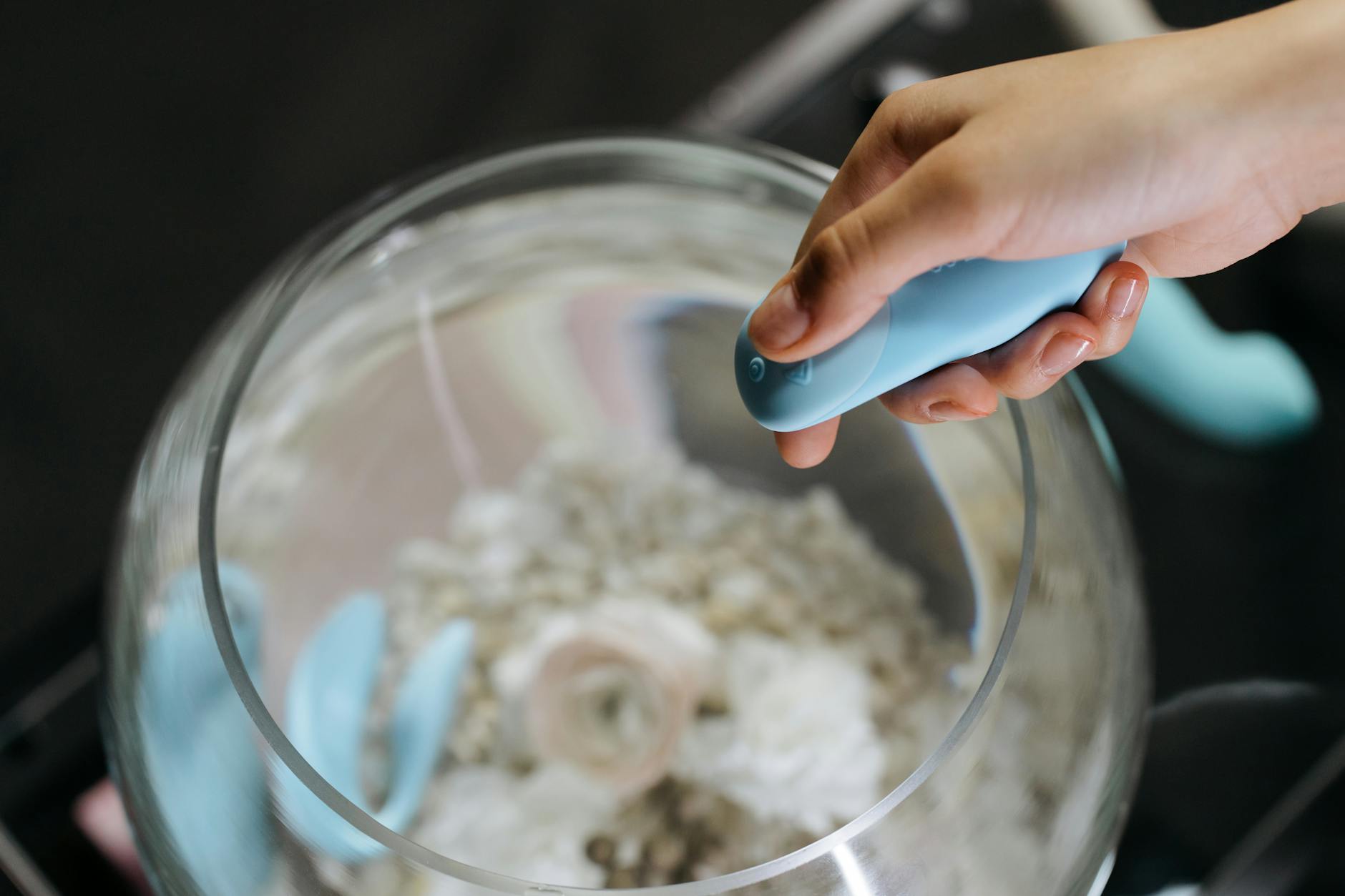
Watch a product demo video. Read reviews. Understand what a lemon clitoral vibrator actually does (it uses suction and pulsing patterns instead of traditional vibration, which feels wildly different). Know how to charge it, how to clean it, what the pattern buttons do.
When you both know what you're working with, it stops feeling like a scary unknown object and becomes just a tool. That knowledge kills a lot of the awkwardness.
The first time should be low stakes
Don't plan a big sexy evening. Don't build it up. The pressure is already there because you're both nervous.
Instead, pick a time when you're both relaxed and have privacy. Maybe a weekend afternoon. Maybe after your regular foreplay, when you're already comfortable and connected. Start with the vibrator off. Let your partner hold it. Let them feel the weight, the texture, the buttons. Press it against the back of your own neck so they can see what it feels like (on your neck, not your genitals). That removes the weirdness fast.
Then, when you're ready, your partner can apply it during foreplay. Not as "the main event." Just as one part of what you're already doing together. This is crucial for someone inexperienced because it keeps the focus on connection instead of performance.
What your partner actually needs to know
If your partner is new to using a vibrator with you, they might be worried about:
- Getting it wrong
- Hurting you
- Being replaced
- Not knowing what to do next
Address these directly. Tell them: "It's really hard to hurt me with this. If something feels wrong, I'll tell you. I love having you here while we use this. I'm not trying to have an experience without you."
Show them that the intensity settings exist for a reason. Most lemon vibrators have multiple patterns. Start on the lowest. You can always go up. You don't have to.
The pattern of building comfort
First time: turned on, low setting, you or your partner guiding it.
Second time: your partner holds it more confidently, maybe tries a different pattern.
Third time and beyond: it becomes normal. You're talking during. You're laughing. It's just part of how you connect.
This isn't a race. Some couples need five times before it feels natural. That's fine. You're literally learning a new way of being intimate together. That takes repetition.
Communication during matters hugely
Talk while it's happening. Not clinical talk, just natural conversation.
"That feels good." "Try the second pattern." "I love watching you." "This is hot." It keeps you connected and it tells your partner they're doing it right. Because here's the thing. Your partner might be wondering if they're doing anything useful. Hearing that you feel something good does incredible work.
If something doesn't feel good, say that too. "That pattern's too intense" or "Can you angle it different?" Your partner would much rather know than guess wrong repeatedly.
The emotional piece nobody talks about
Using a clitoral vibrator with a partner can actually be deeply intimate. It's you saying: "I want you here for this. I trust you with this part of me." That's not small.
But it can also stir stuff up if you're both inexperienced. You might feel vulnerable. Your partner might feel uncertain. That's normal. It doesn't mean you made a mistake.
If you finish and something feels off emotionally, check in. "That was nice but I feel a little tender right now." Or "I loved that but I'm in my head a little." Your partner needs to know that sometimes pleasure comes with complicated feelings, especially the first time.
When to ease off the gas
If either of you genuinely isn't comfortable after giving it a real try (not once, but several times), that's useful information too. Not everything works for everyone. Maybe lemon vibrators aren't your thing as a couple right now. Maybe in a year they will be. Maybe never. That's okay.
But if you're both interested and you're both a little nervous, that nervousness usually softens with familiarity. Most couples I work with find that the first few times feel awkward, but by the fourth or fifth time, it's just normal. It becomes one of the ways you connect.
What you're doing is learning each other in a new way. That's actually the whole point.
People also ask
What if my partner gets jealous or insecure about using a vibrator together?
Insecurity often comes from not understanding the purpose. A lemon clitoral vibrator isn't a replacement for your partner. It's a tool that can enhance sensation in a way fingers or penetration alone can't. Frame it that way. "I want you here with me while we try this. This isn't about you not being enough. It's about exploring something new together." If the insecurity persists after a few honest conversations, that might be worth working through with a therapist, because the vibrator is just exposing something that was already there.
Should I let my inexperienced partner control it, or should I control it myself?
Let them hold it and guide it. This gives them agency and it keeps them engaged in your pleasure. If they're too tentative, you can guide their hand. You can say "press a little harder" or "move it slightly left." This way they're learning what works for you in real time. After a few times, they'll develop their own sense of what works. By then it'll feel natural to both of you.
How long should the first time last?
Not long. Five to ten minutes. You're not trying to have an intense orgasm or prove anything. You're trying to get comfortable with the sensation and the situation. If you orgasm, great. If you don't, also great. First times are about gathering information, not hitting a specific goal.
What if we're both too embarrassed to talk about this beforehand?
Embarrassment is normal but it's also a sign you need to talk more, not less. Start small. "I'm curious about trying a vibrator together. I'm nervous to bring it up. Are you open to it?" That's it. You don't need a long speech. You just need honesty. Most people find that the conversation is way less awkward than the silence before it.
How do I know if my partner is actually comfortable or just saying yes?
Pay attention to their body language and their words over multiple times. If they seem genuinely engaged, they make eye contact, they touch you while it's happening, they talk to you, they come back for more. If they seem stiff or distant or they change the subject after, they might not be fully comfortable yet. That's when you pause and ask directly: "How are you actually feeling about this?"
Should we watch videos or read guides together?
Yes, if it helps. Some couples find it useful to watch a demo together so you both know what's happening when you use it. Other couples think that's weird. Know yourselves. But at minimum, both of you should understand the basics of how the device works and what it's designed to do.
The long view
Right now, this feels new and maybe a little scary. That's okay. Most things feel that way before they become normal.
What you're actually doing is giving each other permission to explore pleasure in a new way. You're practicing vulnerability together. You're saying that your sexual connection is worth being a little awkward for.
That's the stuff long-term couples are actually built on. Not perfect first times. But willingness to try something uncomfortable because you want to know each other better.
Take your time. Check in with each other. Laugh when it's awkward. Celebrate when it feels good. And remember that "inexperienced" just means you're learning together. That's a gift, actually.