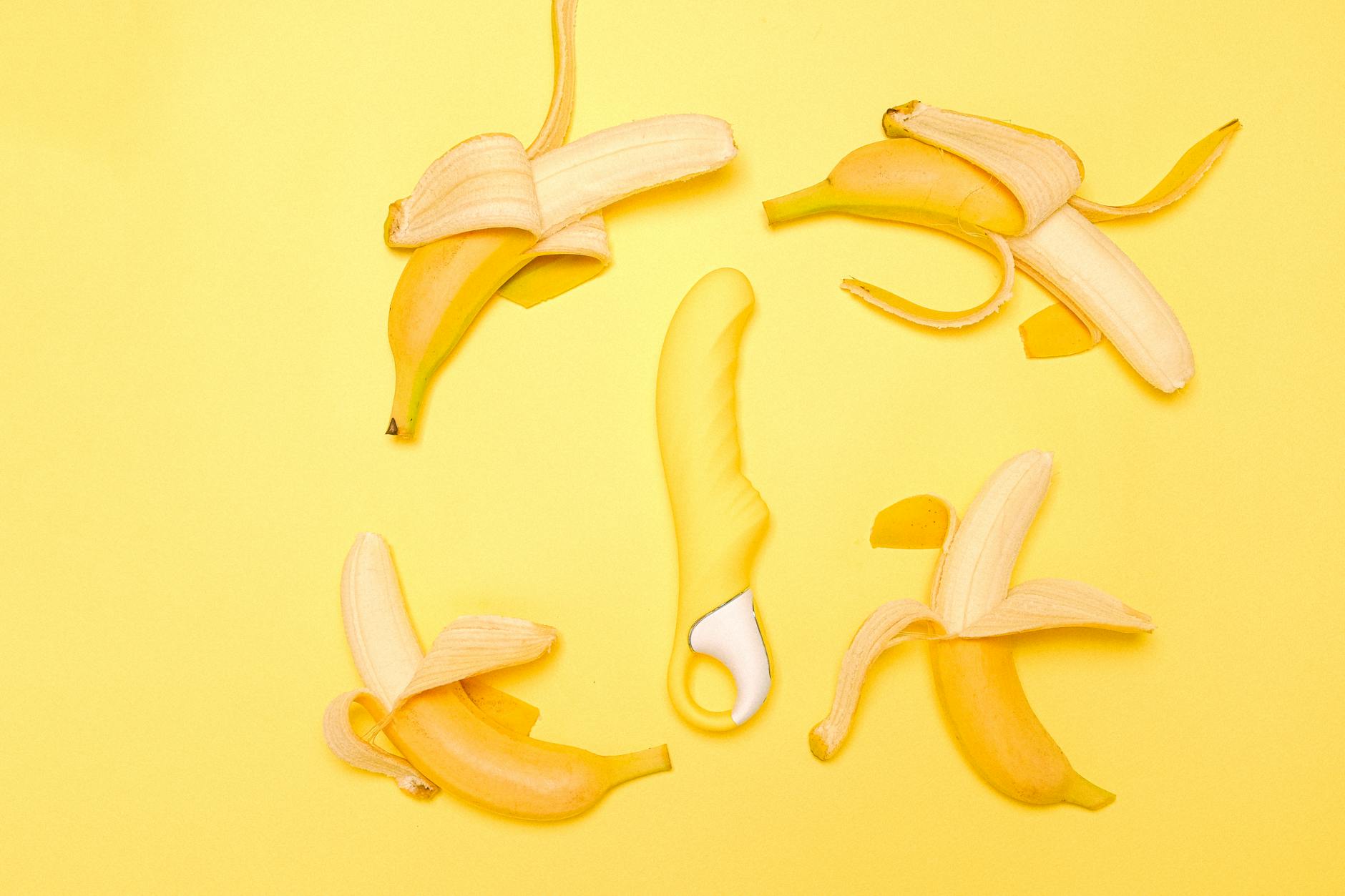
Here's the thing nobody tells you about hormonal IUDs
You get the IUD inserted because it's convenient. You know it'll suppress your period, maybe. What they don't mention in the clinic is that it also rewires how your body responds to touch. A hormonal IUD releases a small, constant dose of levonorgestrel directly into your system, which dampens desire, delays arousal, and can make orgasms feel flatter or harder to reach. This isn't rare. It's clinical fact. And it's fixable.
What actually changes with a hormonal IUD
The hormonal IUD isn't like birth control pills, where you control the dose. It's a slow-release mechanism sitting in your uterus, trickling synthetic progesterone into your bloodstream continuously. Your estrogen and testosterone both drop. Your natural lubrication may decrease. The vulva receives less blood flow during arousal, which means slower engorgement and less intensity in sensation.
Here's what matters: your nerve endings don't change. Your brain's pleasure circuits don't change. The infrastructure for orgasm stays intact. What changes is the speed of ignition and the force of the spark.
Many people report that their clitoris feels less responsive, or that direct touch feels too intense because the surrounding tissue has become more sensitive (not less, counterintuitively). Some say arousal takes 30 minutes instead of 10. Others describe orgasms as possible but distant, like they're happening to someone else.
Why a lemon clitoral vibrator actually helps
Unlike traditional vibrators that rely on continuous mechanical stimulation, the lemon sucker uses gentle suction technology. This works brilliantly with an IUD-affected body for one critical reason: suction doesn't require the same degree of baseline arousal that friction does. It creates stimulation at the nerve level without needing your tissue to be fully engorged first.
Think of it this way. A standard vibrator says, "I'm going to shake your tissue really fast." That works great when blood flow is robust and sensation is sharp. A lem vibrator says, "I'm going to create a pressure wave that stimulates your nerves directly." That works better when you're starting from a lower baseline.
When you're on a hormonal IUD, that difference is profound.
Start lower than you think you should
Here's the adjustment that changes everything. On a hormonal IUD, your sensitivity is neither "turned down" nor "turned up." It's spatially different. Your clitoris may be less responsive to broad stimulation but hypersensitive to focused pressure. Many people with IUDs find that patterns 1 and 2 on the lem vibrator feel appropriate, whereas before they'd jump straight to pattern 4.
Don't view this as a loss. This is specificity. You're learning exactly which sensations work for your current body, which is information you didn't have before.
Start at the lowest pattern. Spend 5 to 10 minutes there. Notice what happens. Does the sensation build gradually? Does it feel numb or sharp? Most people report that after a few minutes at a low pattern, arousal does eventually kick in, and the experience becomes markedly more pleasurable.
Rush to pattern 5 in the first minute, and you'll feel nothing. Sit with pattern 1, and you're giving your nervous system time to catch up.
Warm-up is non-negotiable now
With an IUD, foreplay isn't optional. It's the entire event. Budget 15 to 20 minutes before you introduce the lemon vibrator at all. This could be self-touch, partnered touch, fantasy, reading, whatever activates desire for you. The goal is to get your system primed so that when the lemon sucker arrives, there's already some momentum.
This is actually liberating, even though it sounds like a constraint. You're not racing to orgasm. You're building toward it, which changes the quality of the entire experience. Partners often find this shift makes sex more connected and less performative.
Lubrication becomes your second tool
A hormonal IUD can reduce natural lubrication. A lemon vibrator works beautifully with external lubrication in ways that traditional vibrators sometimes don't, because the suction mechanism isn't fighting friction. You can use a generous amount of water-based lubricant without the toy getting "stuck" or losing suction power.
Use more than you think you need. Seriously. The combination of a well-lubricated clitoris and the gentle suction of the lem vibrator creates a completely different sensation profile than you'd get on your own or with a different toy.
Why your orgasms might feel different (and that's okay)
Some people on hormonal IUDs report that orgasms feel less intense. Others say they feel more localized, or happen in smaller waves instead of one big surge. This isn't worse. It's different. And after a few weeks of using the lemon clitoral vibrator with the adjustments above, most people find that they actually prefer this pattern. It's less explosive but more sustained. Less of a spike, more of a climb.
If you have a partner, talk about this explicitly. "My orgasms feel different now" is not a problem to solve together. It's information to explore together. The best sex after an IUD insertion is slower, more attentive sex. Which, it turns out, is also the best sex full stop.
When to consider professional support
If you've been on a hormonal IUD for six months and pleasure is still completely absent, see a doctor. Some people need to adjust their device or switch to a copper IUD instead. If arousal is there but orgasm feels impossible, you might benefit from working with a sex therapist or a relationship coach who understands IUD-related changes. That's not a sign of failure. That's self-care.
Many people also find that <a href="/blog/how-lemon-vibrators-work-differently-when-youre-on-hormonal-birth-control">understanding how lemon vibrators adapt to hormonal changes</a> helps them stay confident during the adjustment period. You're not broken. Your body is just operating under new parameters, and you get to learn them.
Quick wins with your lem vibrator on a hormonal IUD
Three practical shifts that work immediately.
First, use the lemon sucker solo before partnered sex. Let your body learn what it needs without performance pressure. Ten minutes alone with the toy, at low patterns, is information gathering. You're not trying to finish. You're noticing sensation.
Second, pair it with fantasy or audio. The mental component matters more now than it did before. Your body needs more cognitive activation to reach arousal. Books, podcasts, imagination. Whatever lights you up mentally amplifies what the lemon vibrator can do physically.
Third, use it as a "warmup" tool during partnered sex rather than the main event. Start with suction stimulation while your partner is touching you elsewhere. Let the combined sensation do the heavy lifting. You're not replacing one thing with another. You're stacking sensations.
The bigger picture
A hormonal IUD is a trade-off like any contraceptive. You gain reliability and convenience. You shift some aspects of pleasure temporarily. But "temporarily" is the key word. Most people find that after three to six months, their body adapts and sensation returns to normal, or sometimes improves because they've learned new things about what works.
In the meantime, a lemon clitoral vibrator is one of the smartest tools you can use, because it meets your body where it actually is right now, not where you expected it to be. That's not settling. That's smart pleasure.
FAQ
How long does it take for sensation to return after getting a hormonal IUD?
Most people notice changes in arousal and pleasure within the first week or two of IUD insertion. For some, sensation normalizes within three months as the body adjusts. For others, it takes six months or longer. The timeline isn't predictable because it depends on your baseline sensitivity, how much levonorgestrel affects your system individually, and other hormonal factors. If you're at the six-month mark and pleasure hasn't returned, talking to a doctor is reasonable. Some people do switch to a copper IUD instead if hormonal changes are too severe.
Can a lemon vibrator help restore sensation if my IUD has dampened pleasure?
Yes, but not by "restoring" sensation in the sense of undoing the IUD's effect. Rather, a lemon clitoral vibrator works with your current sensitivity by using suction instead of vibration, which many people find more effective when arousal is slower to build or sensation is muted. The gentle pressure of the lemon sucker can kickstart arousal and help your nervous system engage more fully than a traditional vibrator would. Pairing it with longer warm-up time and lubrication amplifies the effect.
Does a hormonal IUD permanently change how pleasure feels?
No. Once you remove the IUD, hormone levels normalize and pleasure typically returns to its baseline. However, if you've been on the IUD for years, the readjustment when you remove it can take a few months. Some people actually find that they prefer how sex feels after removing an IUD because they've learned new techniques and adjusted their expectations. The change isn't permanent, but the skills you develop while adapting are.
Is it normal to have no desire at all on a hormonal IUD?
It's common enough that it has a name in medical literature. Hormonal IUDs can suppress libido in 10 to 20 percent of users significantly. If you have zero desire and it's distressing, this is worth discussing with a doctor. You might need a different contraceptive, or there might be other factors at play. Don't assume it's permanent or normal for you to live with complete absence of desire. You have options.
Should I use my lemon vibrator differently if I have an IUD versus when I didn't?
Yes, slightly. On an IUD, start at lower patterns, extend warm-up time, use more lubrication, and consider using it as a priming tool rather than the main event. These adjustments aren't forever. They're temporary calibrations while your body adapts. After a few months, you might find yourself reverting to your old patterns, or you might discover you prefer the slower, more intentional approach and stick with it.
Can using a lemon vibrator frequently help my body adjust to a hormonal IUD faster?
Regular stimulation and exploration can help your body learn what works under new hormonal conditions, which makes the transition feel faster and easier. But it's not the vibrator doing the adjustment. It's you, learning your body's new landscape. Some people find that weekly or bi-weekly exploration with a lemon sucker helps them feel more confident and connected to pleasure even when sensation is muted. That confidence itself can speed up adaptation.
What if my lemon vibrator still doesn't work after I've adjusted my technique?
First, give it at least three to four weeks of consistent use with the adjustments above. Many people need that time to see real results. If after a month you're still getting nothing, consider whether other factors might be at play: stress, relationship tension, fatigue, depression. Hormonal IUDs can also contribute to mood changes, which affects desire. If you've ruled out those pieces, a conversation with a sex therapist or your doctor is the next step. Some people genuinely need a different contraceptive, and that's a valid choice.
Resources and sources
Although lemon vibrators and suction technology aren't extensively studied in clinical research, the underlying principles about IUD-related sensation changes are well-documented. The Journal of Contraceptive Medicine has published several studies on hormonal IUD effects on sexual function, including papers on desire and arousal suppression. The American College of Obstetricians and Gynecologists also acknowledges sexual side effects as a known and manageable aspect of hormonal IUD use. If you're interested in the neuroscience of suction versus vibration, the Journal of Sex & Marital Therapy has published reviews on clitoral stimulation mechanics and user preference. For personalized guidance on your specific IUD and pleasure, consult a sex therapist or a menopause specialist who understands device-related changes.