Here's what nobody mentions
Postpartum sensitivity is real, and it's not a flaw in your recovery. Your body went through something enormous. The tissues, the hormones, the nervous system, the pelvic floor. Everything is rewiring itself. And somewhere in that process, people with vaginas often lose touch with what felt good before.
The tricky part? That loss of sensation doesn't mean it's gone for good. It means your nervous system is still learning to talk to you again.
Why postpartum bodies respond differently
Let's get into the physiology without making it clinical. During pregnancy and birth, your pelvic floor stretches, your hormone levels shift dramatically, and if you had a vaginal delivery, the tissue goes through significant trauma (even with a straightforward birth). If you had a C-section, the recovery is different but equally demanding.
Then comes breastfeeding (if you're doing that), which keeps estrogen lower than usual. Lower estrogen means thinner vaginal tissue, less natural lubrication, and reduced blood flow to the clitoris. Blood flow is what creates sensation. Less of it, and everything feels duller, numb, or even uncomfortable.
Add in sleep deprivation, hormonal fluctuation, and the cognitive load of keeping a human alive. Your brain literally has less bandwidth for pleasure.
But here's the thing: the nerves are still there. The clitoris hasn't changed structurally. Your capacity for sensation is dormant, not dead.
Why lemon clitoral vibrators are different postpartum
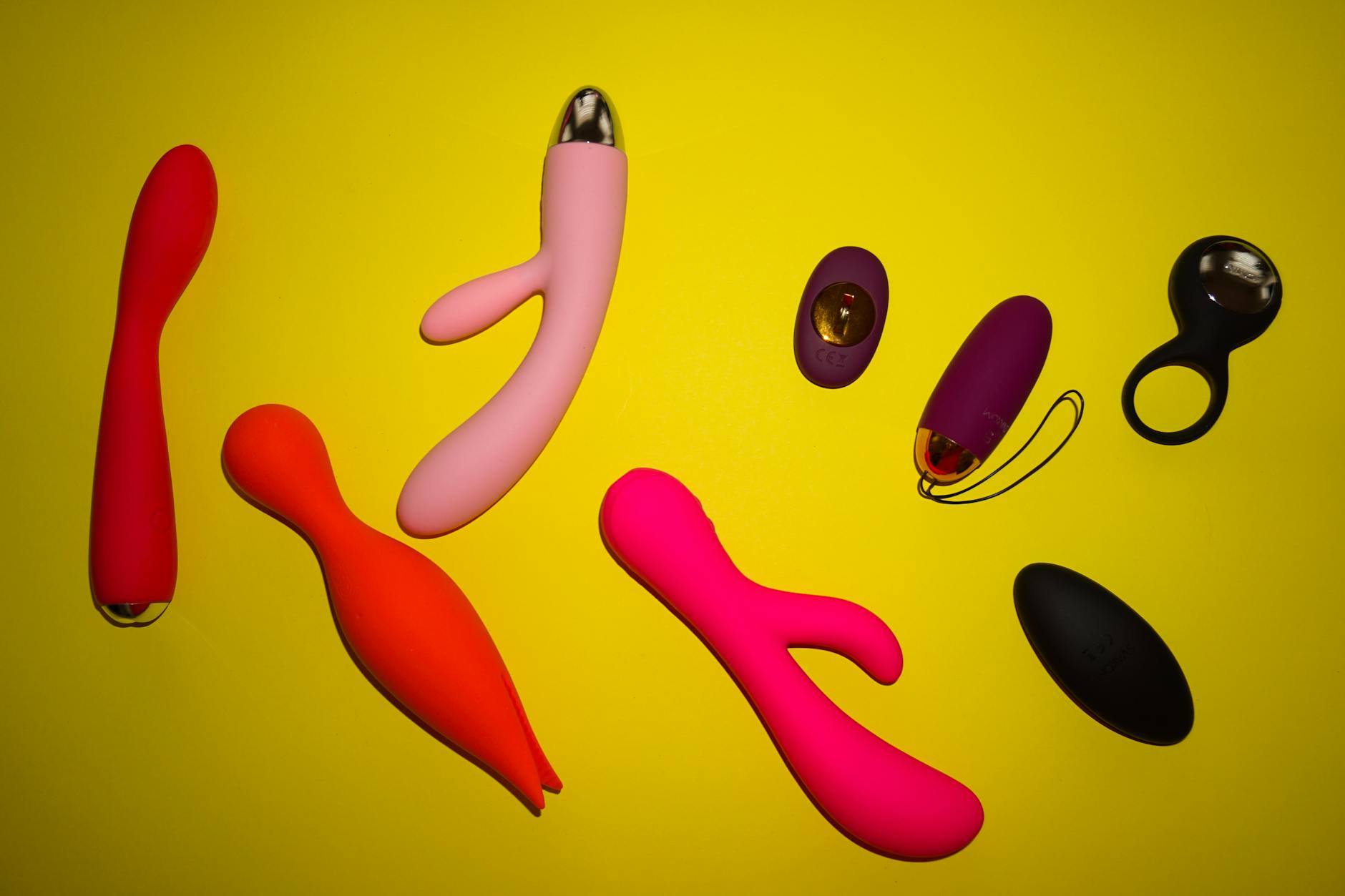
Traditional vibrators buzz. Lemon vibrators use air-pulse suction instead. This distinction matters postpartum because it changes how sensation is created.
Buzzing vibrators rely on rapid friction against tissue. For postpartum bodies, especially those dealing with surface sensitivity or healing tissue, that can feel sharp, overwhelming, or even painful. Suction, on the other hand, stimulates the nerves without the same mechanical pressure.
Think of it like this: a lemon sucker pulls and releases, creating a gentle wave of stimulation. That motion actually matches how arousal naturally builds. It's closer to the body's own rhythm.
For postpartum people, this is the difference between "ouch, I don't feel ready" and "oh, something's waking up."
The timeline that actually matters
Most medical guidance says you can resume penetrative sex at six weeks postpartum (if you want to). That's about wound healing. Pleasure, though, operates on a different timeline.
I typically see postpartum people reconnect with sensation around three to four months postpartum, but only if they're actively gentle with themselves. If you wait until you "feel like it," you might wait much longer because sensation doesn't return on its own. You have to coax it back.
Some people are ready earlier. Some take longer. There's no wrong timeline. But there is a difference between "I'm physically healed enough to try" and "I have sensation returning and I can feel what I'm doing."
Starting gently with a lemon vibrator
Three foundational rules before you touch anything.
Rule one: lubrication, always. Postpartum tissue needs help. Use a water-based lubricant generously. Not because you're broken, but because your body isn't producing what it normally would yet. The lubricant isn't a failure. It's infrastructure.
Rule two: start with the lowest setting. A lemon vibrator typically has five to seven intensity levels. You're starting at one. Not because you'll stay there forever, but because your nervous system is still learning to recognize pleasure signals. Starting high can feel overwhelming or painful, and then you associate the device with discomfort instead of possibility.
Rule three: give yourself permission to stop. If something feels uncomfortable, off, or just wrong, stop. This isn't quitting. This is listening. Your body will tell you when it's ready. Push past that signal and you're creating a fear response that makes the next attempt harder.
How to actually use it
Find a comfortable position. Lying down on your back with a pillow under your hips gives you good access and feels less vulnerable than other positions. Make sure you won't be interrupted. Even the mental anticipation of someone knocking on the door can kill sensation.
Apply lubricant to the clitoral area. Slow your breathing down. This isn't about rushing to an orgasm. This is about noticing what you can feel.
Turn on the lemon vibrator at the lowest setting. Place it gently against your clitoris. Not pressed hard, just resting there. Let the sensation build slowly. Some people need five to ten minutes just to register that they're being stimulated. That's normal postpartum.
You might notice a tingling. You might notice nothing for a while and then sudden sensation. You might reach a point where it feels good and then the feeling disappears. All of this is fine. Your nervous system is recalibrating.
The goal on your first few attempts isn't orgasm. It's data collection. What levels feel okay? What pace matches your returning sensitivity? What kind of touch reminds you that pleasure is still possible?
What happens when sensation returns (it does)
Around week ten to week fourteen postpartum, most people start feeling a shift. The clitoris becomes more responsive. The sensation starts to localize instead of feeling diffuse. You might feel more interested in sex, or at least more curious about whether you could be interested.
That's when you can start experimenting with higher settings on your lemon vibrator. Not jumping to level five, but maybe moving from one to two or three. Let the sensation guide you. If level two feels intense, stay there for a while. Your body will tell you when it's ready for more.
If you have a partner, this is where communication matters. Tell them what you're noticing. Tell them what you need. You might need them to be completely hands-off while you use the vibrator alone. You might eventually want them present but not touching. You might eventually want to integrate it into partnered sex. There's no predetermined path.
The mental piece nobody talks about
Postpartum bodies often come with postpartum thinking. You might feel guilty for wanting pleasure when the baby needs you. You might feel disconnected from your body because it was in use for someone else for so long. You might feel pressure to "get your body back" or "resume normal sex" on a timeline that isn't yours.
This is where your nervous system needs the most attention. Pleasure doesn't return to a body that doesn't feel safe. Safety isn't just physical. It's mental and emotional too.
If using a vibrator triggers guilt or disconnection, that's worth exploring. Slow down. Notice what thought comes up. Is it "I should be doing something productive right now" or "My partner wants me to want this" or "I'm broken"? Once you name the thought, you can actually address it.
Sometimes working with a therapist who specializes in postpartum mental health is exactly what reconnecting with pleasure requires. That's not a failure of the vibrator or a failure of you. That's using the right tool for the right problem.
When to reach out for help
If you're past the four-month mark postpartum and sensation still hasn't returned, it's worth talking to your OB or a pelvic floor physical therapist. Sometimes postpartum nerve damage is reversible with the right intervention. Sometimes postpartum depression or anxiety is muting sensation, and addressing the mental health piece changes everything.
If using a lemon vibrator or any touch on the clitoris causes sharp pain (not just discomfort, but actual pain), that's also worth investigating. Clitoral pain postpartum isn't common, but it happens, and it's very treatable.
You don't have to white-knuckle your way through this. Ask for support.
The longer arc
Postpartum sensitivity usually settles into a new normal around six to nine months postpartum. You might notice your pleasure responds differently than it did pre-pregnancy. That's not worse. It's different. Different can actually be better once you get to know it.
A lot of people find that after the initial sensitivity settles, their capacity for sensation deepens. The nervous system recalibrates to a new baseline. And because you've had to be so intentional about pleasure, you often know yourself better going forward than you did before.
Your lemon vibrator isn't a shortcut through postpartum recovery. It's a tool for gently reconnecting with sensation at a pace that matches your actual body, not some external timeline.
FAQ
How soon postpartum can I use a lemon vibrator?
Medically, once your bleeding has stopped and you feel physically ready, you can explore external stimulation. That's usually three to four weeks postpartum. But ready physically isn't the same as ready sensorially. Most people benefit from waiting until at least eight weeks postpartum when hormones have started to stabilize and the initial physical healing is more complete.
Will using a vibrator affect breastfeeding?
No. Clitoral stimulation doesn't influence milk production or nursing. If you're concerned about timing, use your vibrator when the baby is napping or when your partner can watch them. This isn't about safety. It's about peace of mind.
What if I don't feel anything the first few times?
That's completely normal. Postpartum numbness is real. Your nervous system is still reorganizing. Try a few times with patience. If after five or six attempts over two to three weeks you still feel nothing, talk to your healthcare provider. Sometimes there's something worth investigating, like persistent hormonal imbalance or nerve sensitivity.
Can I use a lemon vibrator during sex with my partner?
Absolutely. Some postpartum people find that partnered penetration combined with external clitoral stimulation from a vibrator is exactly what they need to feel pleasure again. Communication is key. Talk to your partner about what you're wanting to try. If they're nervous about it, that's worth addressing separately from the vibrator itself.
Is it okay if I only want to use a vibrator solo for a while?
Completely okay. Some people need to reconnect with their own pleasure privately before sharing it with a partner. That's not avoidance. That's wisdom. You can integrate partnered pleasure whenever you're ready, and "whenever you're ready" might be several months from now. Your timeline is the right one.
How often should I use a lemon vibrator postpartum?
Start with once a week. That's frequent enough to notice changes in your sensation but not so frequent that it becomes another obligation on your already full plate. As sensation returns and you feel more connected to pleasure, you might want to use it more often. Or you might not. Listen to yourself.
The actual path forward
Postpartum bodies are not broken bodies. They're different bodies, temporarily, while they heal and recalibrate. A lemon vibrator during this season isn't a workaround. It's a gentle way to remind yourself that pleasure is still there, waiting for you.
If you're feeling stuck with postpartum sensitivity or struggling to reconnect with yourself, consider reaching out to a healthcare provider or relationship specialist. You deserve support that matches your actual situation. You can also explore our full collection of resources at Get Lemon Vibes, or <a href="/contact">contact us with any questions</a>.