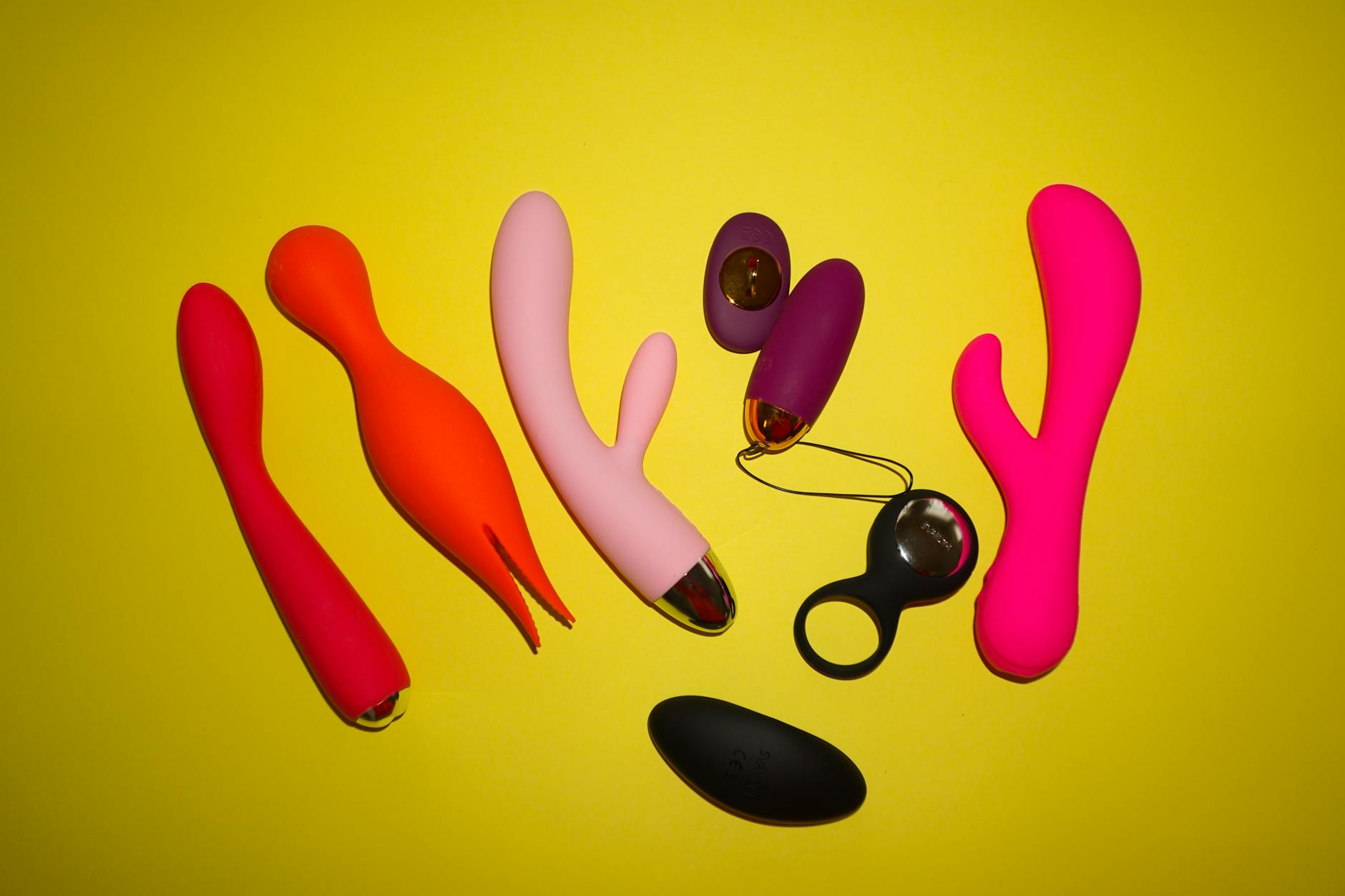
Let's talk about the thing nobody mentions in the clinic
You go on hormonal birth control and something shifts. Maybe arousal takes longer. Maybe orgasms feel less intense. Maybe you notice your body responding differently to touch, or your partner seems confused about what worked before. And then you're left wondering if it's the hormones, your relationship, your stress, or something else entirely. The honest answer? It's probably the hormones. And that's neither your fault nor a permanent sentence.
Here's what I see in my practice: people assume birth control side effects are just something to tolerate. They're not. They're a signal that your body needs a different approach to pleasure, not less pleasure.
What hormonal birth control actually does to arousal
Pill, ring, patch, shot. They all work the same basic way. They flood your body with synthetic hormones to prevent ovulation. That means your natural testosterone, estrogen, and progesterone fluctuations flatten out. And here's the thing. Testosterone matters for arousal in every body. Not a little. A lot.
One of my clients described it like this. "It's like someone turned the volume down on everything." She wasn't being poetic. She was being accurate. Lower testosterone means:
- Slower arousal buildup (15-25 minutes instead of 5-10)
- Less spontaneous desire, especially mid-cycle
- Reduced sensitivity in the clitoris and surrounding tissue
- Orgasms that feel more muted or take longer to reach
But here's what doesn't change: your capacity for pleasure. Your neural pathways are fine. Your clitoral nerve density is unchanged. Your brain still knows how to feel good.
Why lemon vibrators work differently on hormonal birth control
There's a reason I recommend clitoral vibrators like the Lem to people on birth control. Traditional vibrators require you to feel micro-vibrations clearly. When sensation is already dampened, you're working harder for less return. You get frustrated, give up, or numb out further.
Lemon clitoral vibrators work through suction and pulsing patterns. Instead of asking your tissue to feel fine vibrations, they create rhythmic pressure that travels deeper into the clitoral body. You get stimulation without needing heightened baseline sensitivity. Your tissue doesn't have to do as much work to register what's happening.
Think of it this way: if birth control turns down the volume, a lemon vibrator turns up the bass. You're not fighting against blunted sensation. You're working with a different type of signal your body can still respond to.
The timing shift you need to know about
Here's something that changes everything once you understand it. On birth control, arousal doesn't come in that fast spike you might remember. It comes in a slower climb. Most people interpret this as "nothing is working" and give up. They stop, frustration kicks in, and then nothing works because frustration is a major arousal killer.
What actually helps:
Start 10 minutes earlier than you think you need to. Build in warmth and touch before you introduce any vibration at all. Use a water-based lubricant even if you don't think you need it yet. Slickness itself can trigger arousal signals your brain is waiting for.
When you do introduce a lemon vibrator, start on the lowest pattern. Let your body register it for 30-60 seconds before expecting response. Many people who swear vibrators "don't work" are actually just starting too strong and waiting too short.
The lube question on hormonal birth control
You might notice different lubrication patterns on birth control. Some people get less. Some get more but thicker. Some fluctuate. This isn't about anything being wrong. It's about your hormones being stable instead of cycling.
If you're using less lubrication than before: water-based lube is your friend. It's not a sign of dysfunction. It's a practical adjustment. The Lem works beautifully with water-based lube because suction doesn't require you to already be wet to start.
If you're getting thicker discharge: that's fine too. Water-based lube still helps with smooth glide, and many people find having lube available means less friction-related irritation as they explore with a vibrator.
Mindset shifts that actually matter more than technique
Here's where I see people get stuck. They think the problem is mechanical. "I need a stronger vibrator" or "I need a different toy." But usually the block is deeper. You're comparing your body now to your body before birth control, and it's losing. Every time.
That comparison is the enemy of pleasure.
Your body on hormonal birth control isn't broken. It's different. And different doesn't have to mean worse. I've worked with dozens of clients who, once they stopped fighting the shift and started working with it, reported some of their best orgasms after starting birth control. Not despite it. After it.
How?
They stopped rushing. They added more foreplay. They used tools designed for the arousal pattern they actually have, not the one they remember having. They let their partner know what changed so sex didn't feel like a guessing game anymore.
When to talk to your doctor (and when not to panic)
If you've been on the same birth control for 3+ months and arousal is still completely absent, that's worth mentioning to your GP. Some formulations affect libido more than others. Switching pills or methods might genuinely help. This isn't about powering through. This is about finding what works for your body.
If you're experiencing pain during sex, that's also a conversation with your doctor. Birth control can sometimes affect vaginal tissue thickness or lubrication in ways that need actual medical attention, not just a better vibrator.
But if you're experiencing slower arousal or less intense sensation without pain? That's normal. That's expected. That's what lemon vibrators and patience are for.
How to introduce the Lem if you're on birth control
Start solo. Seriously. You need to understand your body's response without the variable of a partner's expectations in the room. Spend 2-3 solo sessions exploring patterns and timing. Notice what feels good at pattern 3 versus pattern 5. Notice how long warmup takes. Notice whether you prefer longer session length over higher intensity.
Once you know your own body, introducing the Lem to partnered sex becomes a conversation instead of a performance. You can say, "Here's what I figured out works for me." That changes everything.
The conversation with your partner
If you're in a relationship, your partner probably noticed the shift too. They might have interpreted it as "they're not attracted to me anymore" or "something's wrong with us." Nine times out of ten, it's just birth control being birth control.
The script I recommend: "My body is responding differently to birth control than I expected. Here's what I've noticed. Here's what might help. Let's figure this out together." That separates the medication conversation from the relationship conversation. Both matter. They're just different problems.
Long-term pleasure on birth control
You don't have to stay on the same method forever. If birth control is genuinely tanking your pleasure and you've tried adjustments, other options exist. IUDs have lower systemic hormone levels. Copper IUDs have none. Condoms plus tracking apps exist. So do other methods I won't list here because this isn't a contraception guide.
But most people, once they understand what's changing and adjust their approach to pleasure, find that birth control and great sex aren't actually incompatible. They just require honesty and the right tools.
Lemon clitoral vibrators aren't magic. They're engineered for a different arousal pattern than you might have experienced before. That engineering matters when your body's signal has changed. Give yourself permission to explore differently. Your pleasure is worth that attention.
People also ask
Does hormonal birth control permanently affect sexual desire?
No. When you stop birth control, testosterone and natural hormonal fluctuation return. For most people, arousal patterns go back to what they were before within 1-2 months, though some shift is normal with age and life changes. The changes aren't permanent. They're temporary adaptations to a medication you're actively taking.
Can I use a regular vibrator on birth control, or do I need a special one?
You can use any vibrator. But clitoral vibrators like the Lem work better for many people on birth control because they don't require heightened baseline sensitivity to create sensation. If you already love your regular vibrator, keep using it. If you're struggling, trying a different type of stimulation is worth exploring before assuming vibrators "don't work for you."
Why does the Lem work better than a traditional vibrator when I'm on birth control?
The Lem uses suction and pulsing rather than micro-vibration. When birth control dampens sensation, suction creates deeper pressure and rhythm that your body can register even with reduced sensitivity. It's a different signal pathway, which often works better when your arousal threshold has shifted.
Should I switch birth control if it's affecting my pleasure?
That depends on what you value and what else the birth control is doing for you. If it's controlling heavy periods or acne brilliantly but affecting arousal, switching might not be worth it. If arousal matters hugely and the pleasure loss is significant, talking to your GP about other formulations or methods is fair. It's a personal calculation, not a universal answer.
How long does it take for pleasure to "return" after adjusting to birth control?
If you adjust your approach (more foreplay, different tools, understanding the new arousal pattern), many people notice improvement within 2-4 weeks. If you're waiting for spontaneous arousal to snap back to pre-birth control levels, that might not happen. But deliberate pleasure with the right setup absolutely can match or exceed what came before.
Can lemon vibrators help with birth control-related arousal issues, or is it just a distraction?
A lemon vibrator isn't a distraction. It's a tool designed for the specific arousal pattern birth control creates. Combined with longer foreplay, lube, and patience, it's a practical solution that works for many people. It's not bypassing the problem. It's adapting to it intelligently.
What comes next
Your pleasure matters. Not as an afterthought. Not as something to figure out "when you have time." Right now, on the body you actually have, with the medications you're actually taking. If birth control has shifted your arousal, that's medical fact, not personal failure. Understanding that shift and working with it instead of against it changes everything. Get Lemon Vibes exists because pleasure deserves precision. Lemon clitoral vibrators exist because different bodies need different tools. You deserve a tool that fits your body as it is, not as it was.