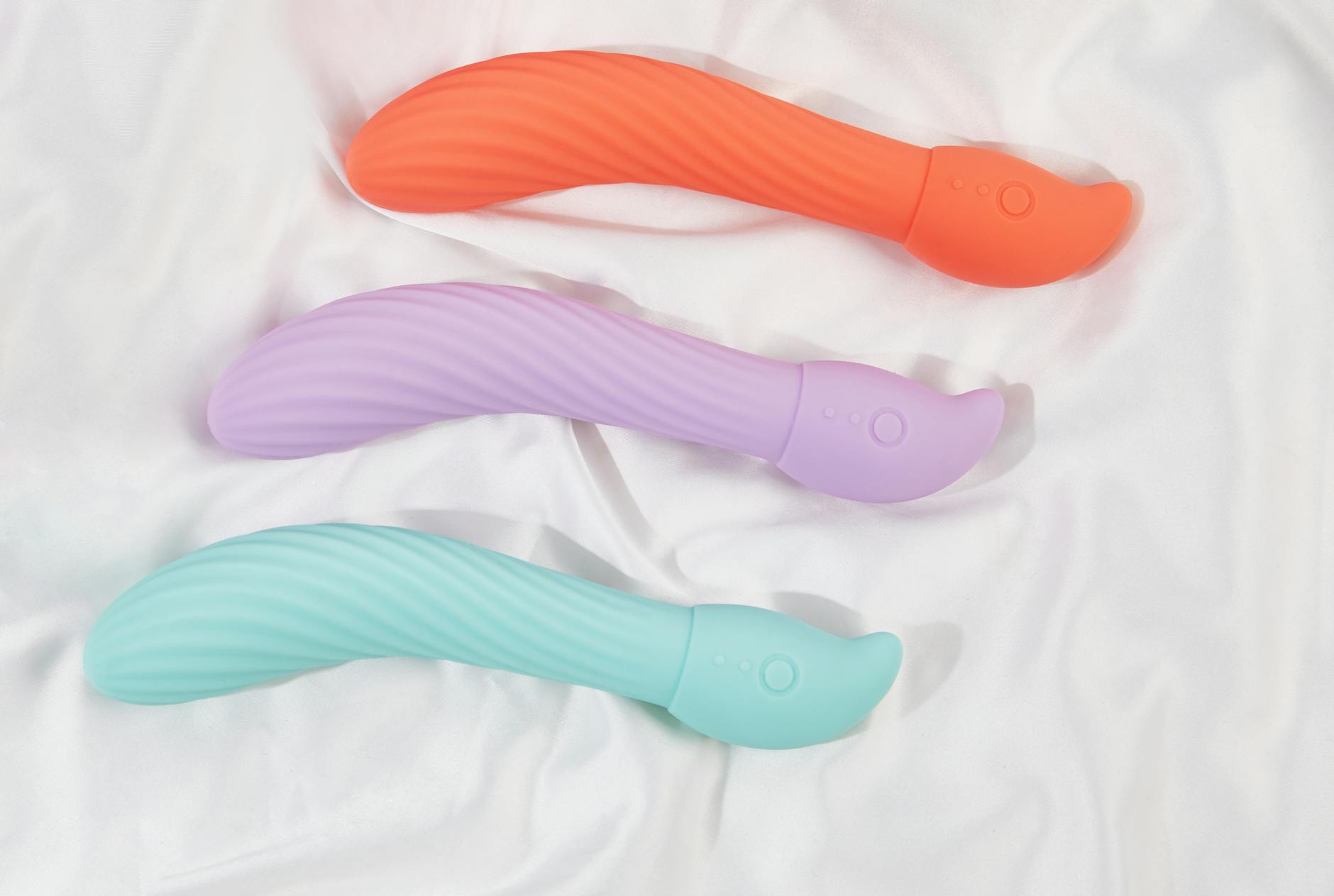
The thing nobody tells you about toys and partnerships
Honestly? Most of the tension around introducing a vibrator comes not from the vibrator itself, but from the stories we've built in our heads about what it means. Like somehow a toy signals "you're not enough" instead of what it actually is: "I want more sensation, and I want you here with me."
There's a massive difference between those two things.
Why the conversation feels harder than it actually is
You're probably imagining your partner getting defensive or feeling replaced. That happens sometimes, but usually only when the toy gets introduced as a secret or a surprise, or when the conversation sounds like a complaint disguised as a request.
Here's what actually works: treat it the same way you'd introduce any other idea that excites you. Not as a problem to solve, but as something you want to explore together.
I've worked with hundreds of couples, and the ones who move past this smoothly share one thing in common. They separate the "I want this" from the "what does it mean about us" question. The first is factual. The second is usually just anxiety.
How to start the conversation (without overthinking it)
Pick a moment when you're both relaxed and clothed. Not mid-sex, not when either of you is stressed. Something like: "I've been curious about trying a clitoral vibrator during sex. I think it would feel good, and I'd like to try it with you."
That's it. Three sentences. Notice what's missing: apologies, explanations of why your body "needs" this, or reassurances about your partner's performance. Those are all noise.
If your partner seems hesitant, stay curious instead of defensive. "What's going through your head?" often opens the door better than defending your choice. Sometimes the hesitation is practical (does it fit? is it loud?). Sometimes it's emotional (am I still needed?). Those are different conversations, and they both deserve an answer.
The positioning that actually works
Unlike what porn suggests, you don't need some acrobatic angle to make a lemon vibrator work during partnered sex. Most people find one of three positions actually functions:
You on top. You control the angle and speed of both the vibrator and penetration. Your partner can see what's happening and use their hands to help hold it in place if needed. This one feels collaborative and gives you the most control.
You on your back, partner between your legs. Your partner can use the vibrator while penetrating, which requires some coordination but feels intimate because they're doing it with you. It takes practice to find the angle where the vibrator doesn't get in the way.
Side-by-side entry. Less common, but some couples find this position gives you easy access to your clitoris with the vibrator while maintaining closeness and penetration. It works best if both partners have lower-pressure preferences.
Whichever position you try first, prioritize comfort over "correctness." If it's not working, stop and try something else. The pressure to make it work on take one is the fastest way to kill the whole experiment.
The logistics nobody asks about (but should)
Water-based lubricant becomes even more important when you're adding a vibrator to penetration. Friction changes when there's more sensation happening, and lube keeps everything feeling good.
Start with the vibrator off while you're getting comfortable with the positioning. Get your partner inside you first, then introduce the vibrator. This makes the transition feel intentional instead of jarring.
Unless you're using a remote-controlled toy, you'll need to hold the vibrator yourself or ask your partner to. Most people find they prefer holding it because they know exactly what pressure and angle feels best. Your partner can adjust their rhythm to match what you're doing.
If your lemon vibrator or other clitoral vibrator model has multiple patterns, stick to one for your first time together. The sensory overload of novelty plus multiple settings plus a partner plus penetration is too much information at once.
What to expect (the real version)
First time might feel awkward. Not because anything's wrong, but because you're coordinating three separate things: your arousal, their rhythm, and the vibrator. It takes a few tries to find flow.
Orgasm might come faster, slower, or feel different than usual. That's completely normal and doesn't mean something's broken. Your body's processing more input, so the sensation map changes.
Some people feel self-conscious during this because they're more aware of physical feedback. If that's you, that's worth naming beforehand: "This might take me a minute to feel comfortable because I'm in my head about it." That context helps your partner understand it's not about them.
The conversation after
Don't skip this. Once you've both come down and are just lying there, ask: "What was that like for you?" Listen to the actual answer, not the answer you were hoping for.
If your partner loved it, great. Plan the next time. If they felt weird about it, ask what part. Was it visual? Did the vibration feel strange? Did they feel left out? Those are all fixable with tweaks to positioning or communication.
Most importantly, you've now proven to each other that you can talk about this stuff without judgment. That's the real win. The vibrator is just the tool.
When to loop in professional support
If the conversation about toys triggers a bigger fight about desire, connection, or feeling wanted, that's not actually about the vibrator. Those are relationship issues that deserve real attention. A sex therapist or couples counselor can help you untangle what's really being said.
Same goes if you have different comfort levels with toys that don't resolve with conversation. That's not something to push through or suppress. It's something to actually solve together.
The shift that happens
Once you've used a lemon clitoral vibrator together once, something changes. The tool stops being a "thing we tried" and becomes just another option in your intimacy toolkit. Some weeks you'll use it. Some weeks you won't. It stops being loaded with meaning and just becomes practical.
That's when things usually get better, not worse. Because you're not proving anything anymore. You're just exploring what feels good.