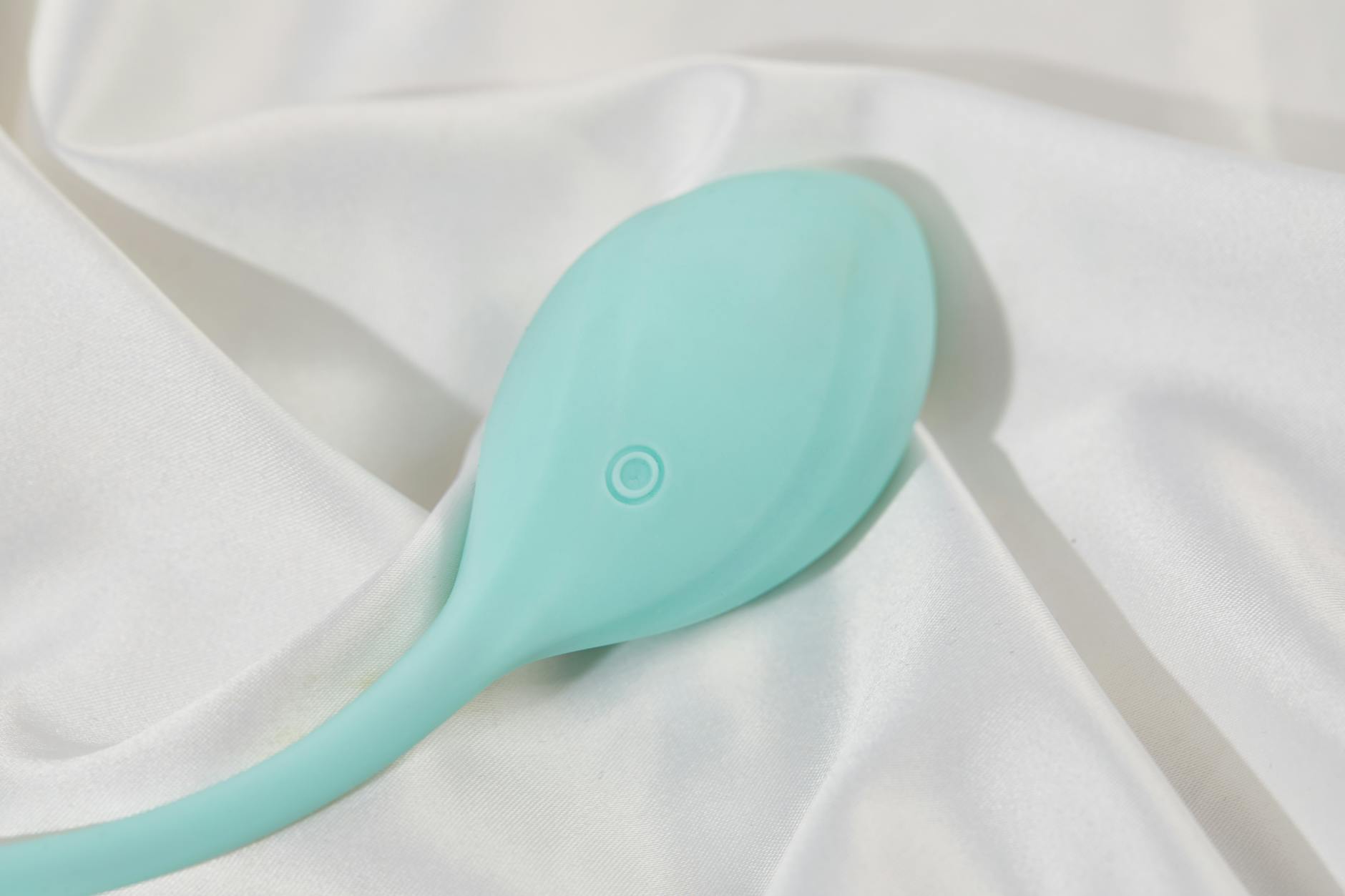
The conversation nobody has before surgery
Let's be real. When your doctor reviews pre-op instructions, they talk about lifting restrictions, wound care, when you can shower. Nobody mentions sex. And definitely nobody mentions whether your lemon clitoral vibrator is making a comeback. So you're left guessing, anxious, and either white-knuckling through weeks of abstinence or diving back in too fast and terrifying yourself.
Here's what I tell couples in my practice: post-surgical intimacy is possible. It's not irresponsible. It's not going to split your incision. But it does require actual planning, clear communication with your medical team, and honest patience with your own body. The good news? A lemon vibrator can actually make that transition smoother, not riskier.
Understanding the surgical timeline
Your clearance date depends entirely on what surgery you had. Hysterectomy, fibroid removal, endometrial ablation, and gynecological reconstruction all have different healing curves. Abdominal surgery requires more time than minimally invasive work. Penetrative healing is different from external.
Most gynecologists give a blanket "six weeks, no penetration" rule. That's protective and conservative, which is fine. But external clitoral stimulation is a totally different animal. Your clitoris isn't the wound site. It's not being touched by stitches or scar tissue forming. This is where the conversation gets specific.
Before you touch anything, ask your surgeon directly: "When is external clitoral stimulation safe?" Not your OB's nurse. Not your partner's assumption. Your actual surgeon, in writing if possible. Some say two weeks. Some say wait the full six. Some say it depends on where your incision is and how you're healing. Get clarity. That single conversation eliminates most of the anxiety.
Why a lemon vibrator is actually gentler than hands
Sounds counterintuitive. But here's the thing: a lemon vibrator like the Hello Nancy clitoral suction design gives you consistent, controlled stimulation. No pressure spikes from fingers. No friction that escalates without you realizing. No partner accidentally going too hard during a moment of connection.
The suction motion is rhythmic and predictable. You control the intensity from pattern 1 to 10. You can start at level 2 and spend ten minutes there without any variation. That's medically useful when you're in early recovery. Your nervous system isn't getting bombarded. Your tissues aren't experiencing micro-injuries from variable pressure.
Compare that to manual stimulation, where even a well-meaning partner might press harder without meaning to, or where you might unconsciously clench your pelvic floor because you're nervous about the incision. A vibrator lets you be passive and safe.
The early return timeline (weeks 2-4)
Assuming your surgeon clears external stimulation by week 2 or 3, start here.
First week of clearance: vibrator off. Just hold it. Get familiar with the weight, the shape, the feel against your skin when there's zero movement. This sounds silly until you realize how much your nervous system is still in protective mode. Your body needs permission to be touched without flinching. Spend three or four sessions doing this. Five minutes each.
Second week: vibrator on, pattern 1, shortest duration setting if yours has one. Two minutes. That's it. Not because you physically can't handle more, but because you need to know how your body responds. You're looking for: Does it hurt? Does it feel good? Does your pelvic floor go rigid? Does your incision ache? These are data points, not pass-fail tests.
Third week: pattern 1 or 2, still short sessions. If you felt great, now you can go five minutes. Notice whether you're actually experiencing pleasure or just checking a box. Pleasure matters more than duration right now.
The goal here isn't orgasm. It's rebuilding the neural connection between your brain and your genitals after surgery essentially hit the pause button on that system.
The mid-recovery transition (weeks 4-6)
You're past the initial shock. Your incision is holding. You're not in constant pain. This is when most people get impatient and that's when problems happen.
Now you can increase duration and gradually play with intensity. Move to patterns 2-4. Try eight to ten minute sessions. Pay attention to any cramping, any ache that travels up toward your abdomen, any sign that your pelvic floor is tensing.
Here's what people miss: your clitoral tissue is still healing. Just because the external wound is sealed doesn't mean the vascular system underneath is fully back online. You might notice that orgasms feel different, or that you can't quite reach them the way you used to. That's normal. That's not permanent. It's usually a sign that you need to keep being gentle.
If you're with a partner, this is the exact moment to separate sensation from performance. You're not "trying to have sex again." You're doing solo exploration with a Hello Nancy lemon vibrator while your partner is somewhere else in the house. You're not proving anything. You're gathering information about your own healing.
When to bring a partner back in
Once you're comfortable solo and your surgeon clears penetration (typically week 6), partnered activity can restart. But don't jump to penetration immediately. Start with external play together.
If your partner wants to use a lemon vibrator on you, that's totally fair and often wonderful. They get to participate. You get consistent, controlled input. Everyone wins. Set a boundary ahead of time: "I'm going to tell you when to stop, and we stop immediately, no questions." People in post-surgical recovery sometimes worry about being a burden and override their own discomfort to "keep going." That's not okay.
The vibrator becomes a communication tool. Your partner learns your new healing body. You learn what feels good now. By the time penetration is safe, you've already rebuilt some of the sensory connection.
Red flags that mean stop
Shooting pain, burning at the incision site, sudden cramping that doesn't ease with a few minutes of rest, discharge that's different from what your doctor said to expect, or any sense that something has torn or shifted. Stop. Go back to vibrator off. Contact your surgeon. You're not being paranoid. You're being cautious.
Minor aches are normal. Tissue is healing. But major pain is your body's way of saying the timing isn't right yet. Listen to it.
Odor changes or unusual discharge are also worth flagging. Infection is rare but possible, and it's better to ask than to guess.
The emotional part (which matters more than the physical)
Post-surgical recovery is legitimately hard on couples. One partner is suddenly delicate. The other partner is worried about hurting them. There's grief about lost spontaneity. There's anxiety about whether things will ever feel normal.
Using a lemon vibrator as part of your recovery journey can actually ease some of that. It says: "We're rebuilding this together, and we're being smart about it." It removes some of the performance pressure. It gives you both something to do together that feels intimate without being risky.
If your partner seems hesitant, talk about it directly. "I want you to be part of this. Here's what my doctor said is safe. Can you help me ease back in?" Most partners are relieved to have permission and a roadmap.
If you're hesitant, that's also normal. You might feel vulnerable, broken, or unsexy while you're healing. Those feelings don't mean anything is wrong with you. They mean you're human and surgery is a trauma to your body. A vibrator is neutral. It doesn't judge your body. It just does its job. Sometimes that's exactly the permission you need.
Getting back to your normal routine
By week 8 to 12, depending on your surgery and your surgeon's guidance, you should be cleared for normal activity including whatever lemon vibrator use looked like before. But here's the catch: your baseline might have shifted.
You might find that you prefer lower intensities now. Or that you need longer warm-up time. Or that your body feels different and that's actually okay and interesting. Don't force yourself back to exactly what you were doing pre-surgery. Let yourself evolve.
If you had any sensitivity issues before surgery, recovery is also a reset. You might find that your body is actually more responsive now. Or less. You'll know once you get a few weeks back into your routine.
The Hello Nancy clitoral vibrator with its adjustable suction patterns is perfect for this phase because you can tune the intensity to wherever your body is at any given moment. Start at pattern 2. Work back up only as it feels good. There's no rush.
FAQ
Can I use a lemon vibrator immediately after surgery?
No. Most surgeons want at least two weeks before any genital stimulation, and some want the full six-week wait. Ask your specific surgeon about external clitoral stimulation (not penetration). Get a clear timeline. If they won't answer the question, ask again.
Will vibration damage my incision?
If the vibration is nowhere near your incision, no. Your clitoris is external and typically nowhere near where a hysterectomy or fibroid removal incision is located. But if you have any doubt about where your incision is or what's healing, ask your surgeon to point it out. There's zero shame in needing that clarity.
Is it safe to have an orgasm after surgery?
It depends on your surgery and your healing. Orgasm causes uterine contractions in people with a uterus. If you just had your uterus removed, this isn't a concern. If you had fibroid removal or ablation, some surgeons want you to wait until everything has fully healed (around week 4 to 6) before you climax. Ask specifically about this.
What if my lemon vibrator feels uncomfortable after surgery?
Your tissues are different right now. You might need different input than before. Start lower. Go slower. Try a clitoral vibrator with gentler suction. If discomfort persists beyond week 4 or 5, call your surgeon. You might have scar tissue sensitivity or nerve involvement that needs attention. This is fixable but it needs professional eyes.
How do I talk to my partner about post-surgical vibrator use?
Direct and matter-of-fact works best. "My doctor said I can use my vibrator at week X. I'd like us to explore that together once I'm cleared. Would you be interested in helping me ease back in?" Most partners light up at having a role and a roadmap. If your partner seems resistant or uncomfortable, that's a separate conversation worth having with a couples therapist.
When should I call my doctor instead of pushing through?
Any sharp pain, any discharge that looks infected, any sense that something has torn. Also any persistent numbness or loss of sensation by week 8. And any bleeding during or after vibrator use. These aren't disasters, but they're worth professional assessment. Your surgeon wants you to heal well and have a good sexual life again. They're not going to judge you for using a vibrator. They're going to appreciate that you're being thoughtful about your recovery.