Here's what you're actually experiencing
Perimenopause sneaks up. One month your lemon vibrator feels exactly as responsive as always. The next month, orgasms take longer, sensation feels duller, or the intensity that used to work leaves you numb. You're not losing pleasure. Your body is recalibrating, and your lemon sexual toy needs to recalibrate with it.
I work with people in perimenopause all the time, and the pattern is consistent: they assume something's broken, toss the toy, and spend months thinking they've lost sexual function. Most of the time, all they needed was a small adjustment to technique, settings, or prep work.
What perimenopause actually changes about sensation
Estrogen and testosterone both begin to fluctuate during perimenopause, not drop completely. This means your sensation isn't gone. It's variable. Some days the lemon clitoral vibrator feels amazing. Other days it feels like you're touching it through a blanket.
This happens because thinner clitoral tissue responds differently to suction stimulation. The lemon sucker works by creating gentle negative pressure, which works beautifully on full, engorged tissue. As estrogen drops, tissue thins slightly, which means:
- Arousal takes longer to build
- Direct stimulation feels more intense (sometimes uncomfortably so)
- The sweet spot for pressure shifts
- Numbness can happen faster if you're using the same settings
The good news: this is entirely manageable with the right adjustments.
When to shift your routine
You don't need to change your approach just because you're in perimenopause. You need to change it when you notice something actually different. That might be:
- Needing 10-15 minutes of warm-up instead of 5
- Finding that your usual intensity setting feels too strong
- Experiencing numbness mid-session that didn't happen before
- Noticing that arousal comes and goes unevenly through the month
If none of that resonates, keep doing exactly what you're doing. Perimenopause doesn't automatically require adjustment. Your body does.
The step-by-step adjustment for your lemon vibrator
Start with lubrication. Water-based lube becomes your friend during perimenopause. It's not because anything is wrong. It's because the suction mechanism on your lemon adult toy works more smoothly when there's adequate moisture. Apply it around the entire cup, not just inside.
Begin with lower intensity. If you normally use the Lem at pattern 3 or 4, try pattern 1 or 2 for a full week. Your clitoris will adapt to the new stimulation level, and you'll often find that lower intensity actually creates more sensation because you're not overwhelming tired nerves. After a week, you can experiment with moving up.
Extend your warm-up. Allocate at least 15-20 minutes before you even touch the toy. This isn't wasted time. Mental arousal, breathing, light touch, or whatever gets you there first matters more than the lemon vibrator itself. Clitoral tissue needs blood flow to respond optimally, and that takes time during perimenopause.
Track what works. Perimenopause is cyclical, which means what works on Monday might not work on Thursday. Keep a quick mental note (or literal note) of which intensity level, lube type, and warm-up time felt best. You'll start seeing patterns across your cycle.
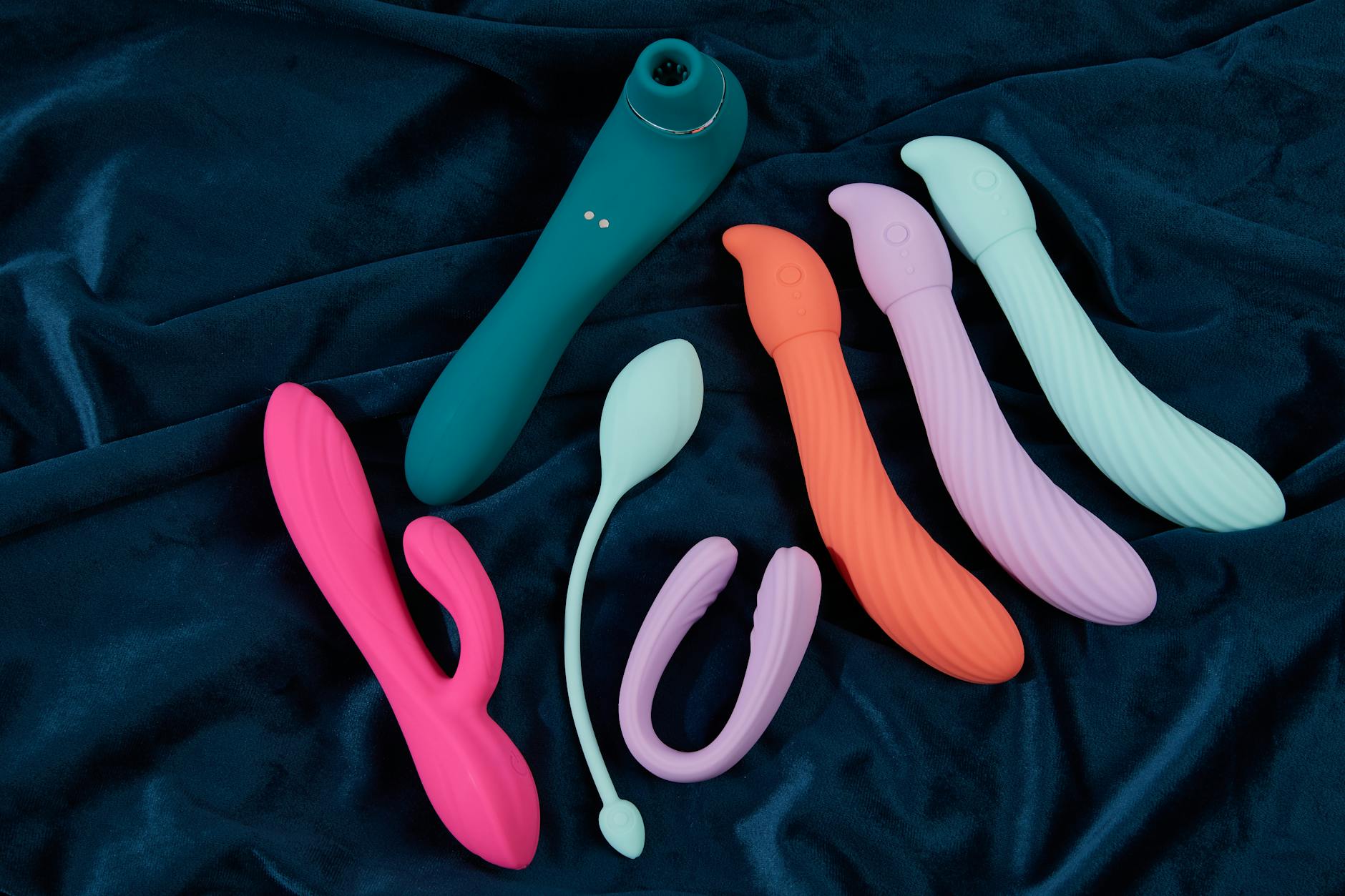
Photo by IFONNX Toys on Pexels
Why sensation feels different mid-cycle
Even though you're not menstruating regularly during perimenopause, your ovaries are still partly active. This means you might still have phases where arousal comes easier and sensation feels sharper. Other times, nothing seems to work.
This isn't failure. This is perimenopause. Your body is oscillating between phases, and your nervous system is working harder to maintain consistent response.
Honestly, the best thing you can do is stop fighting it. Some days, your lemon clitoral vibrator is your best tool. Other days, slower manual stimulation works better. Both are fine. The goal isn't consistency. The goal is pleasure, however it shows up.
Positioning and pressure matter now more than before
During perimenopause, how you position the suction cup changes the quality of sensation dramatically. The clitoris sits at an angle, and as tissue changes, that angle becomes even more important.
Try holding the lemon vibrator at a slight angle rather than perfectly perpendicular. Experiment with positioning it slightly off-center. Some people find that angling it more toward the upper shaft of the clitoris feels sharper and more responsive than dead-center suction.
Don't assume you already know the best angle. Your body has changed. Give yourself permission to relearn what feels good.
When numbness shows up
If you're experiencing numbness during perimenopause, it's usually one of three things: insufficient arousal, wrong intensity, or prolonged continuous stimulation.
Fix it by stepping back for 2-3 minutes mid-session. Let sensation reset. Then come back at a lower setting. Many people find that alternating between pattern 1 for 5 minutes and pattern 2 for 5 minutes creates more orgasmic intensity than staying at pattern 4 for 15 minutes straight.
You're also warming up longer now, which is correct. But if warm-up is taking 25-30 minutes, that might signal hormonal changes worth discussing with a gynecologist or menopause specialist. It's not abnormal, but it's worth baseline-testing to rule out other factors.
The mental shift that actually changes everything
Here's what I see most often: people in perimenopause assume their body is betraying them. So they tense up, overthink, and that mental friction makes physical sensation harder. Then the toy feels even less effective, and the spiral continues.
Break the cycle by reframing. Your body isn't betraying you. It's asking you to pay attention. Perimenopause is actually an invitation to get more intimate with what you like, because the easy stuff stops working. You have to actually pay attention. And that often leads to better orgasms, not worse ones.
Take pressure off performance. Use your lemon vibrator as a discovery tool, not a finish line.
When to reach out to a doctor
If you're experiencing pain, significant numbness that doesn't resolve with the adjustments above, or if arousal has become nearly impossible, talk to a gynecologist. Perimenopause usually just needs tweaks. But sometimes there's something else happening hormonally or neurologically that deserves support.
Genitourinary syndrome is real during perimenopause, and topical estrogen can help. So can testosterone support in some cases. A good doctor will listen to what's actually happening and help you troubleshoot.
FAQ
Can I still use my lemon vibrator at the same settings during perimenopause?
Maybe. Some people sail through perimenopause without noticing any change in how their lemon clitoral vibrator feels. Others need to drop intensity by 1-2 levels. The only way to know is to try. If your current settings still feel amazing, keep going. If sensation feels muted or you're getting numb, experiment with lower patterns first.
How long does it take to adjust to perimenopause with a lemon sucker?
Adjustment usually takes 1-3 weeks once you've identified what needs to change. Start with lower intensity or longer warm-up, stick with it for a full week, then assess. Your body will signal what's working. Trust that signal.
Should I use more lube with my lemon adult toy during perimenopause?
Yes, generally. Even if you didn't need it before, water-based lube helps the suction cup seal better and prevents the micro-friction that can lead to numbness. It's not about being "dry." It's about optimizing the mechanism during a transition phase.
Is it normal for perimenopause to make orgasms harder with any vibrator?
Completely normal. Fluctuating hormones affect neural response, blood flow, and tissue sensitivity. Some days you'll orgasm in 3 minutes. Other days it takes 20. This variability is perimenopause, not dysfunction. Your lemon vibrator hasn't stopped working. Your body is just on a new rhythm.
Can hormone therapy help if my lemon vibrator feels less effective?
Yes. Some people find that hormone therapy evening out fluctuations makes pleasure more consistent and easier to access. That's one of several reasons to explore it with a doctor if perimenopause is really affecting your quality of life. It's not required for pleasure, but it can help.
What if I've tried adjusting everything and still nothing works?
Take a break for a few days. Then start over with zero pressure and zero expectations. Sometimes perimenopause-related anxiety creates a feedback loop where tension makes sensation harder, which increases anxiety. Breaking that cycle by stepping back for 48 hours often resets everything. When you come back to your lemon clitoral vibrator, approach it like it's brand new. You might be surprised what you find.
The long view
Perimenopause isn't the end of your sexual life. It's the middle chapter, and one that actually invites deeper attention. Your lemon vibrator still works. Your body still works. Both just need you to meet them where they are right now, not where they were two years ago. That's not loss. That's the beginning of something richer.