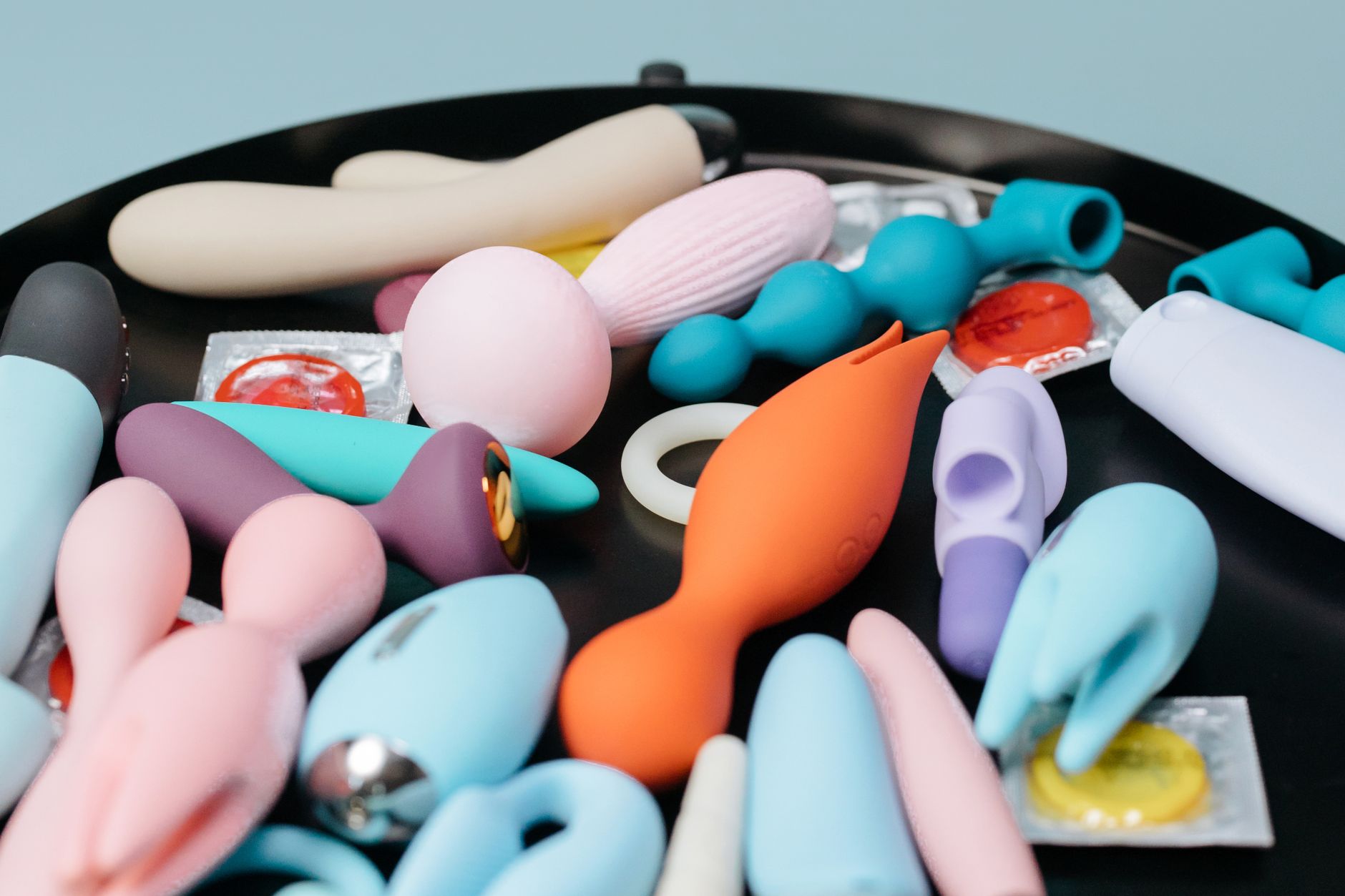
Let's start here: vaginismus isn't your fault, and pleasure is still available to you
Vaginismus is involuntary muscle tension in the pelvic floor that makes penetration painful, difficult, or impossible. Your body isn't broken. It's protecting you. The nervous system learns that penetration equals pain, so it tightens as a reflex. You can't think your way out of it because it's not happening in your head. It's a physiological response.
Here's what matters for pleasure: you don't need penetration to have orgasms, and you don't need to "fix" vaginismus in order to start exploring what feels good right now.
Why clitoral stimulation is your entry point
When penetration is off the table, clitoral stimulation becomes the direct path to arousal and orgasm. Most people with vulvas need clitoral contact to climax anyway. Vaginismus just makes this reality more obvious.
A lemon vibrator works exceptionally well for this because it uses gentle suction and pulsing rather than direct vibration. That matters when you're dealing with pelvic floor tension. Direct vibration can feel janky or overwhelming when your muscles are already tight. Suction stimulates the clitoral nerves without the same intensity, which means you can build arousal at your own pace without triggering more muscle tension.
How the lemon clitoral vibrator fits into your routine
Start external, stay external. There's no timeline for what comes next.
Begin by exploring the device on areas that aren't pelvic floor related. Your neck, your inner arm, your collarbone. This sounds silly, but it helps your nervous system clock this as a pleasure tool, not a medical device. When your brain has associated anything pelvic with pain, you're rebuilding that association. Slow introduction matters.
When you're ready to use it on your vulva, start with the lowest setting. Honestly, most people with vaginismus find that patterns 1 or 2 on a lemon vibrator are more than enough. The goal isn't intensity. It's sensation. You're teaching your body that touch in this area can feel good.
Keep sessions short. Fifteen to twenty minutes is plenty. You're not trying to prove anything. Pleasure should feel easy, not like you're working toward a goal.
The pelvic floor connection you need to understand
Your pelvic floor muscles are tense. That's the definition of vaginismus. But they're also probably tight because you're anxious about penetration, anticipating pain, or bracing yourself during any kind of intimate touch.
When you use a lemon vibrator for solo pleasure, you're doing two things at once. First, you're creating a new neural pathway around pleasure. Second, you're teaching your pelvic floor that sensation doesn't always mean pain. Over time, this rewires the reflex.
But here's the key: you don't do Kegels right now. Kegels are squeezing exercises. Your pelvic floor is already clenching. You need the opposite. You need to learn how to release.
Before and after using your vibrator, practice pelvic floor relaxation. This sounds counterintuitive, but imagine your pelvic floor softening the way your shoulders drop when you take a deep breath. Some people visualize it as an elevator descending. Others imagine petals opening. The metaphor matters less than the intention. Spend a couple of minutes just breathing and letting that area release.
Managing the mental piece
Honestly, the hardest part of vaginismus isn't physical. It's the anxiety loop.
You anticipate pain. You tense. You feel tension. You believe the pain will come. You tense more. By the time you even touch yourself, your nervous system is already in protection mode.
Using a vibrator solo breaks that loop because you control everything. No surprise sensation. No pressure to perform. No anxiety about someone else's expectations. You set the pace, the intensity, and the duration.
The first few times, it might feel weird or uncomfortable. That's not pain. That's novelty. Your brain is processing something new. Keep breathing. Keep the intensity low. Stop whenever you want.
If anxiety spikes, pause. This isn't failure. This is information. Your nervous system just told you it needs to go slower. Listen to it.
When you're ready to explore with a partner
Vaginismus often appears in relationships, and navigating it with a partner requires conversation separate from the physical exploration.
Separate the two conversations. "My body responds differently than we expected" is not the same as "I love you less" or "I want to leave." Many partners get confused and think any physical difficulty means emotional rejection. It doesn't. Clear this up before you start exploring anything together.
If your partner wants to be involved in your pleasure journey, start with external stimulation during foreplay. A lemon vibrator is easy to use together. It's not threatening to penetration. It doesn't require your partner to do anything they're uncomfortable with. It's just clitoral pleasure.
Set a boundary: penetration is off the table for now. This takes the pressure off completely. When everyone knows the plan, the experience is calmer.
What professional support looks like
Vaginismus benefits from pelvic floor physical therapy. A PT trained in pelvic health can teach you specific relaxation techniques and help you understand your body's patterns. This is worth pursuing if you have access.
Some people also find cognitive behavioral therapy helpful because vaginismus often has an anxiety component. Working with a therapist who understands the physical piece (not just the psychological piece) makes a difference.
Neither of these replaces pleasure exploration. They work alongside it. Professional support helps you understand what's happening. Solo pleasure with a vibrator helps you experience what's possible.
The timeline myth you can let go of
There's no "normal" timeline for vaginismus. Some people resolve it in months. Some take years. Some people never pursue penetration at all and find that's fine. All of those are okay.
Your job isn't to fix yourself on a deadline. Your job is to reclaim pleasure right now, in whatever form feels good. A lemon vibrator is a tool for that. Nothing more, nothing less.
Start with curiosity instead of pressure. Explore instead of perform. Notice what feels good without deciding it has to lead anywhere.
Your body is trying to protect you. Your pleasure journey is about learning to feel safe again. A lemon clitoral vibrator can be part of that conversation.
People also ask
Can you use a lemon vibrator if you have vaginismus?
Yes, absolutely. Lemon vibrators use suction rather than direct vibration, which makes them gentler on tense pelvic floor muscles. Many people with vaginismus find clitoral stimulation easier to tolerate than penetration. Starting with low intensity and external use only keeps you in control.
Does vaginismus mean you can't have orgasms?
Not at all. Vaginismus affects penetration, not clitoral sensation or orgasm capacity. Many people discover their most reliable orgasms come from clitoral stimulation alone. You don't need penetration to climax.
How long does it take vaginismus to get better with a vibrator?
Progress depends on the individual, pelvic floor work, and sometimes professional support. Some people notice reduced anxiety in weeks. Others take longer. A vibrator isn't a cure on its own. It's a tool for pleasurable exploration while you're also addressing the root cause, usually through pelvic floor PT or therapy.
Can your partner use a lemon vibrator with you if you have vaginismus?
Yes, if you want them to. Start with clear communication about boundaries. Penetration is off the table. External stimulation only. Many couples find this creates space for connection without pressure. Your partner controls the device, but you control whether they're involved at all.
Is vaginismus permanent?
No. It's not permanent, but it's also not something you willpower away. Recovery usually involves pelvic floor relaxation work, sometimes therapy for anxiety, and often exploration of pleasure without penetration. A lemon vibrator can be part of your toolkit as you rebuild your relationship with physical sensation.
Should you tell your gynecologist about vaginismus?
Yes. A gynecologist trained in pelvic health can rule out physical causes and refer you to a pelvic floor physical therapist. This isn't something to be embarrassed about. It's common, it's treatable, and professional support makes recovery faster and easier.
The path forward
Vaginismus is real, it's not your fault, and it doesn't define your sexual capacity. Clitoral pleasure is available to you right now. A lemon vibrator removes barriers and puts control in your hands. Start low, go slow, and notice what feels good without forcing it.
If you want to talk through your specific situation or explore options, reach out to us at Get Lemon Vibes. We're here to support your pleasure journey, whatever it looks like.