
Let's talk about numbness nobody mentions
You can feel textures. You can feel temperature. But when it comes to touch that's supposed to feel good, nothing happens. Your nervous system is responding to other signals just fine, but somewhere between your skin and your brain, the pleasure circuit has gone dark. That's not a personal failing, and it's not permanent. It happens far more often than anyone admits.
Numbness during sex or solo pleasure comes from a dozen sources: medication side effects, nerve damage from diabetes or autoimmune conditions, trauma responses, surgery scar tissue, or just sustained tension that trains your nervous system to disconnect. Whatever the cause, a lemon clitoral vibrator works differently on numb tissue than on typical sensation. Understanding why changes everything.
Why standard vibration doesn't always reach numb nerves
Most vibrators buzz. They push frequency straight into tissue in a linear rhythm. If your nerves aren't receiving that signal well, you feel nothing. The vibration just becomes background noise. You don't feel broken for this. Desensitized nerve endings have a real physiological reason for not responding: the signal pathway is either blocked, slow, or the nerve itself has changed how it processes input.
Air-suction technology (like the Lem) works differently because it relies on negative pressure and quick release cycles rather than pure vibration. The suction creates a pulling sensation that stimulates tissue in a distinct way. Think of it like this: traditional vibration is knocking on the window. Suction is gently stretching the window itself. For many people with reduced sensation, that stretch is far more perceptible than a knock.
The pattern matters too. A consistent rhythm trains desensitized nerves to tune it out faster. Random or pulse-based patterns feel newer each time, which keeps your nervous system engaged longer.
The reawakening protocol that actually works
Here's how I coach clients through rebuilding sensation:
Start with the lowest setting, longest duration. Use the Lem on pattern one or two (the gentlest options) for 15 to 20 minutes. Don't aim for climax. Your goal is to send a consistent, gentle signal to nerves that have been quiet. Think of this as warming them up.
Move the device slowly. Rather than holding it in one spot, move it slightly every 20 to 30 seconds. Change what tissue it's contacting. You're teaching your nervous system that something is happening. Small movement beats stillness.
Layer anticipation with attention. Before you begin, spend 2 to 3 minutes just paying attention to the area without touching it. Notice the temperature of your skin, how the fabric of your clothes feels. Then introduce the Lem. Your brain needs to be primed for sensation or it won't register it even if your nerves are sending a signal.
Use it daily or every other day. Sensation rebuilds through repetition. The nervous system needs consistency to rewire. Start with three to five days a week for at least two weeks before you expect to feel dramatic shifts.
Medication and numbness: the timeline matters
If your numbness comes from medication, timing your pleasure practice around your dose can help. Some medications (particularly SSRIs, some blood pressure meds, and certain pain relievers) create peak numbness periods and windows where sensation is slightly less suppressed.
Talk to your doctor or pharmacist about whether the medication is dosed at night or morning, and whether there's flexibility in timing. If you can't change the dose schedule, just note when you typically feel slightly more sensation in the day and do your practice then.
Numbness from psych medication especially is worth discussing directly with your prescriber. There are alternatives for many SSRIs that have less sexual side effects, and sometimes a small dose adjustment or timing shift changes things without affecting your mental health stability. Your pleasure health matters as part of your whole health. That conversation is worth having.
The psychological component that makes numbness worse
This is critical: numbness often triggers anxiety, which triggers more numbness. You lose sensation, you panic about losing sensation, your nervous system interprets that panic as a threat and downregulates further. The solution isn't to force your body to feel something. It's to remove the pressure.
Stop aiming for orgasm during these early weeks. I mean it. Orgasm chasing when sensation is low often feels impossible and demoralizing. Instead, aim for noticing. Did the pressure feel different in week two than week one? Did any moment feel slightly more present? Micro-wins rewire your nervous system faster than white-knuckling toward a goal.
If you have a partner, tell them what you're doing and why. Bring them into the experiment rather than hiding it. Partners often feel hurt or rejected when someone suddenly needs to rebuild sensation alone, and that emotional disconnection actually makes physical numbness worse. Framing it as "I'm doing some focused practice to wake up my nervous system, and I want you to understand that this is healing us both" changes everything.
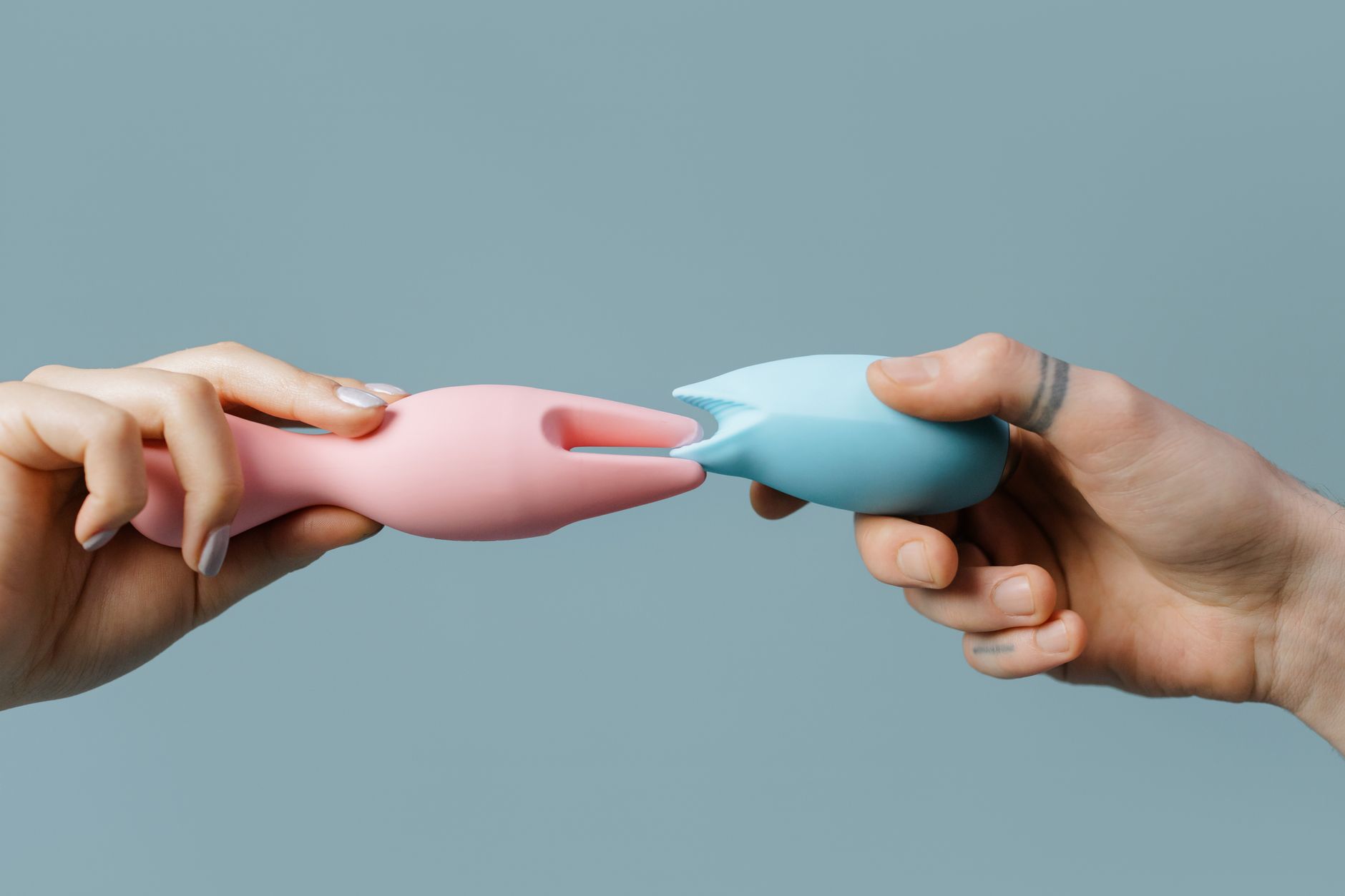
Photo by cottonbro studio on Pexels
When sensation starts to return
You'll notice it in small ways first. A particular pattern suddenly feels different. One spot becomes more reactive than others. You might feel a slight tingle you didn't notice before. That's the signal you've been waiting for.
At this point, you can start experimenting with slightly higher settings, but go slowly. Moving from pattern 2 to pattern 3 is not the same as jumping to pattern 8. Your newly responsive nerves are still fragile. Think of sensation like a muscle coming back from injury. You don't go from physical therapy to heavy lifting.
Many people report that the pleasure they experience after rebuilding sensation is actually more intense than what they felt before the numbness started. Your nervous system has basically recalibrated what a signal feels like, and because you built it slowly, you have fine-tuned awareness of every stage.
When to involve a specialist
If you've been practicing consistently for six to eight weeks with no shift at all, check in with a pelvic floor physical therapist. Sometimes numbness is tied to tension patterns or scar tissue that physical therapy can address. A good PT can also assess whether the numbness is truly neurological (which is slower to change) or mechanical (which often responds quickly to targeted work).
If the numbness is from diabetes or another condition that affects multiple areas of your body, your primary care doctor or endocrinologist is worth looping in. There are sometimes treatments that improve overall nerve function. Improved sensation in your hands and feet often comes with improved sensation elsewhere too.
FAQ: Numbness and sensation rebuilding
How long does it really take to feel sensation again after numbness?
Two to eight weeks is typical if the numbness is recent and the cause is modifiable (like stopping a medication or addressing trauma response). If the numbness is from long-standing nerve damage, rebuilding takes longer, sometimes three to six months of consistent practice. The key variable is consistency, not intensity. Three sessions a week for months beats one intense session a week.
Can I use a regular vibrator instead of an air-suction toy if I have numbness?
You can, but air-suction technology is specifically better suited for reduced sensation because it stimulates tissue differently. A regular vibrator relies on frequency, and numb tissue struggles with frequency. That said, some people find that a larger, more powerful vibrator with a rumbling sensation (lower frequency, higher power) reaches them better than a smaller toy. The Lem's suction pattern is designed to work with reduced sensation, which is why it's often a first-line choice.
Does numbness come back if I stop using the vibrator?
Not usually, once sensation has truly returned. However, if the underlying cause hasn't resolved (like if you're still taking the medication that caused it), you might plateau. The goal is to retrain your nervous system, not to depend on the device forever. That said, using the Lem for pleasure is just a normal part of your routine after you've rebuilt sensation. It's not a treatment you graduate from. It's something you enjoy.
Is it normal to feel sensation on one side but not the other?
Absolutely. The nervous system is asymmetrical, and causes of numbness are often one-sided (like scar tissue on one side or a particular nerve being affected). When rebuilding sensation, you might feel progress on one side first. Don't rush the other side. Let the first side continue rebuilding while you practice gently on the less responsive side.
What if nothing feels good anymore and I'm depressed about it?
Talk to a therapist, especially one trained in sex-positive work. Loss of sensation is often grief, and grief deserves proper processing, not just a technique fix. The combination of talk therapy and sensation rebuilding practice is far more effective than either alone. Your pleasure matters, and when it goes missing, that's worth real emotional support.
Can antidepressants be changed if they're causing numbness?
Maybe. Some SSRIs are harder on sexual sensation than others. Your psychiatrist might be able to switch you to an alternative with fewer sexual side effects, adjust the dose, or time it differently. Have this conversation. Many prescribers assume their patients prefer the medication over sexual function, but that's not always true. You can ask directly: "Does this medication class typically affect sensation, and are there alternatives?"
The reality underneath the technique
Numbness is a signal from your body that something needs attention. It's not a flaw you need to hide. It's information. When you approach rebuilding sensation with curiosity rather than desperation, your nervous system relaxes enough to actually heal.
The Lem was designed partly for this exact situation. The suction pattern reaches desensitized tissue in ways traditional vibration can't. But the real tool is your patience and consistency. Showing up, week after week, with gentle attention. That's what rewires the pathways.
If you're struggling with numbness, you're not alone, and you're not broken. Reach out to contact us if you want guidance tailored to your specific situation. We're here to help you rebuild what's yours.