
The sensitivity shift nobody mentions
Here's the thing about hormonal changes. They don't just affect your mood or your skin. They rewire how your clitoris responds to touch. The sensitivity that used to feel just right can suddenly feel dull, too intense, or weirdly unpredictable. And if you're not expecting it, you might think something's broken. It's not.
What's happening is real, measurable, and completely addressable. The right tool makes an enormous difference.
Why hormones control clitoral sensitivity
Your clitoris is packed with nerve endings. Literally thousands of them concentrated in a space smaller than a pea. Hormonal fluctuations—whether from birth control, your cycle, perimenopause, or menopause—change the blood flow to these tissues and shift the nerve endings' responsiveness.
Estrogen affects tissue thickness and lubrication. Progesterone influences arousal patterns and sensation tolerance. Even small shifts in these hormones can make previously reliable touch feel off.
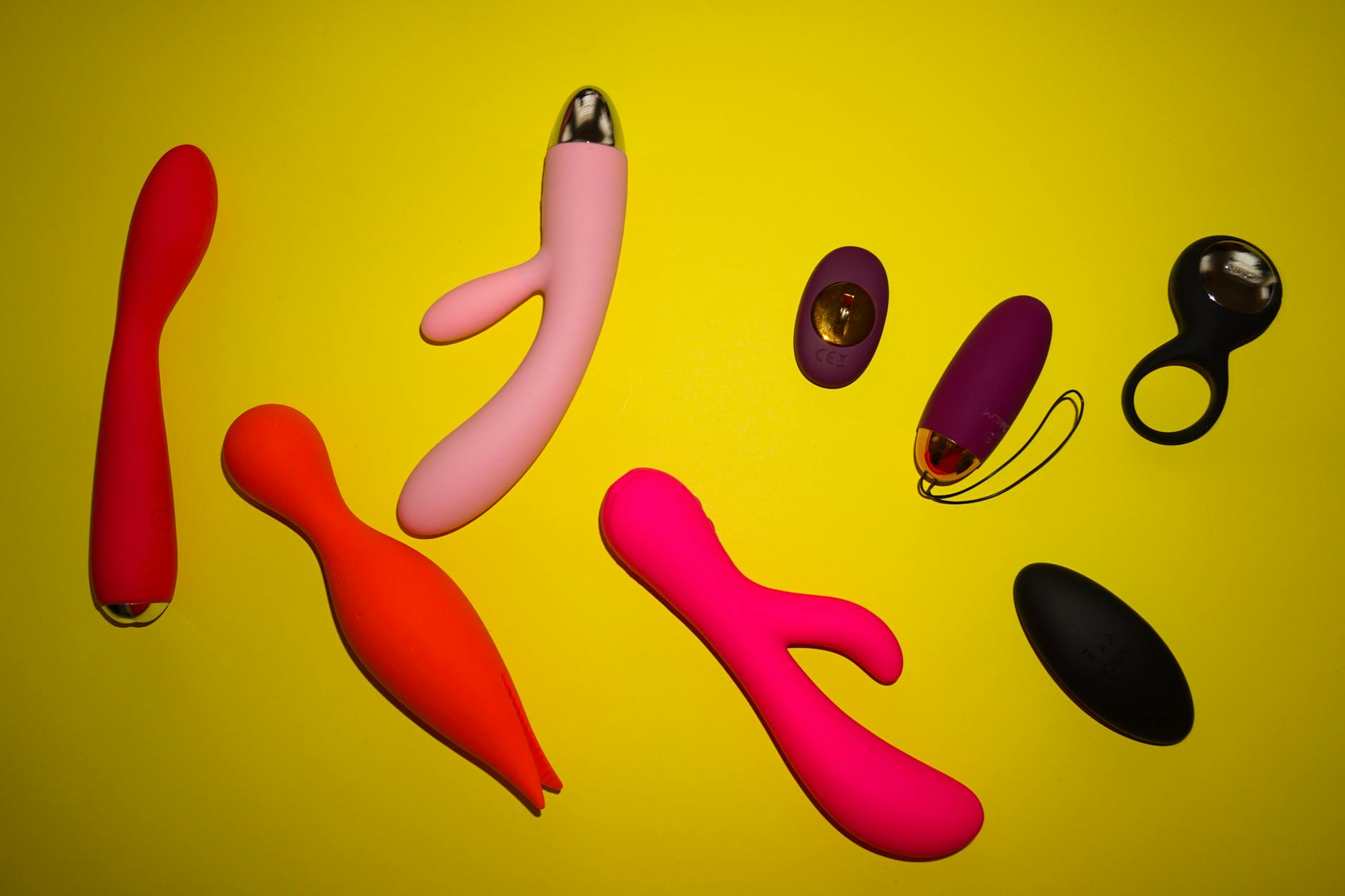
Photo by DRT.fm on Pexels
This is especially true during perimenopause and menopause, when estrogen drops significantly. The clitoral tissues become thinner and more sensitive to pressure. Direct friction that used to feel great can now feel irritating or even painful. That's when lemon sexual toys become genuinely useful.
How lemon vibrators work differently
Lemon vibrators use air-suction technology instead of vibration alone. This matters because suction stimulates the nerve endings around and beneath the clitoral tissue without requiring direct pressure. You get intense sensation without the friction.
When your hormones have changed your sensitivity, this distinction transforms everything. Suction spreads stimulation across a larger area of tissue, which means the sensation feels less concentrated and more pleasurable. It's also gentler on tissues that have become thinner or more delicate.
The lemon clitoral vibrator design specifically targets the way stimulation works post-hormonal shift. The cup sits around the clitoris, creating a gentle seal and using waves of suction to build sensation gradually. You control the intensity from barely-there to intense, which matters when you're relearning what feels good.
Starting with the right intensity level
When sensation feels off, the instinct is often to go harder, faster, more intense. That backfires almost every time. Instead, start with the lowest settings and spend real time there. I'm talking 5-10 minutes on level 1 or 2 before you move up.
Your nerve endings need time to wake up to the new pattern of stimulation. Rushing this process guarantees frustration. A lemon sucker vibrator at a low setting gives your clitoris permission to respond gradually. You'll often find that intensity levels you thought you needed become unnecessary when you give sensation time to build.
Many people report that they don't need the high settings anymore once they've adjusted to suction technology. The wave pattern of air-pulse stimulation is efficient in a way that traditional vibration just isn't.
Building a new sensation map
Hormonal shifts change not just sensitivity but also what kind of touch feels good where. The upper clitoral hood might feel more responsive than the clitoral glans now. The visible clitoris might feel numb while the internal clitoral arms (which extend inside your body) feel surprisingly alive.
Spend time exploring this new map. With a lemon vibrator, you can move the cup around to hit different zones. Try it over the hood, directly on the clitoris, slightly to the left or right. You're not looking for the same sensation you had before. You're finding what actually works in your body right now.
This exploration is not foreplay. It's essential information gathering. Write down what you notice. This matters for partnered sex too—knowing your own updated responses makes communication so much clearer.
The role of lubrication now
Before hormonal changes, you might have gotten away with no lubricant, or just a little. Now, water-based lubricant becomes your baseline. Not because you're broken, but because thinner tissue benefits from the glide and comfort.
Use it generously on the clitoral area before you start with the lemon vibrator. This creates a better seal for the suction cup and makes the sensation feel smoother. Reapply halfway through if you're having a longer session.
The lube also gives you feedback. If the vibrator is gliding smoothly, you've got enough. If it's pulling or feeling uncomfortable, add more. This is one place where more is genuinely better than less.
When hormone fluctuations make sensation swing wildly
Some hormonal situations create inconsistency. Week one of your cycle feels different from week three. One day your clitoris is responsive, three days later it feels numb. This is normal during perimenopause especially.
A lemon clitoral vibrator actually helps stabilize this. The consistent wave of suction creates a reliable input that your nervous system can respond to, even when your hormone levels are swinging. People report that using a lemon vibrator regularly during hormonal fluctuations seems to help their body settle into a more predictable baseline over time.
I'd recommend keeping a brief tracking note: what day of your cycle, what setting you used, how the sensation felt. After a month or two, you'll see patterns. Maybe you need to start at level 2 during certain weeks instead of level 1. Maybe you need more warm-up time during another window. This information is gold.
Combining a lemon vibrator with your cycle awareness
Your clitoral sensitivity isn't random. It follows your cycle, even if the cycle itself is irregular right now. Typically, sensitivity peaks right before ovulation. It dips lower during the luteal phase (after ovulation).
Use this information strategically. If you know that mid-cycle you don't need the vibrator because your natural responsiveness is high, wonderful. Save the vibrator for the phases when sensation feels slower. You're not fighting your hormones; you're working with them.
For people on hormonal birth control, this cycle-based variation might be muted or absent. Instead, pay attention to weekly or monthly patterns. Some weeks just feel easier than others. That's still useful data.
When to bring a partner in
If you're partnered, using a lemon vibrator solo first is smart. You need to understand your new landscape before you invite someone else into it. Once you know what works, the conversation with your partner becomes concrete instead of theoretical.
You can say: "My sensation has changed, and I've figured out what works better now. I want to show you." That's powerful. It removes the guesswork and the awkward "I don't know what's different, just touch me everywhere" dynamic.
A lemon sexual toy in partnered sex also takes pressure off your partner to be the perfect stimulator. They're working with you, not trying to generate all the sensation themselves. This is especially helpful if hormonal changes have made your responses slower or less predictable.
What if nothing changes right away
Sometimes hormonal sensitivity shifts are significant enough that even the right tool takes time. Give it two to three weeks of regular use before you decide it's not working. Your nervous system needs time to learn a new input pattern.
If sensation still feels completely off after a month, it's worth talking to your doctor. Sometimes what looks like hormonal sensitivity is actually genitourinary syndrome of menopause (GSM) or another medical condition that needs treatment. That's not a failure of the lemon vibrator; it's useful information that you need support beyond what a toy can offer.
The bigger picture
Lemon vibrators work so well during hormonal changes because they match the reality of what your body actually needs right now instead of what it needed before. Suction technology, the lower initial intensity options, the gradual building of sensation. These aren't just nice features; they're actually designed for bodies in transition.
Your clitoris hasn't lost its capacity for pleasure. The pathway to that pleasure has changed. And once you understand the new map, sensation often becomes richer and more nuanced than it was before. That's not consolation. That's often the real experience.
People also ask
Can hormonal birth control affect clitoral sensitivity with lemon vibrators?
Yes, significantly. Hormonal birth control can dull sensation or make it harder to reach orgasm for some people. If you've recently started or switched birth control and your sensitivity has tanked, this is usually temporary. Your body adjusts over three to six months. In the meantime, a lemon clitoral vibrator can help maintain sensation during that adjustment period. The consistent input seems to help keep nerve endings responsive even when hormones are suppressing arousal.
Is reduced clitoral sensitivity after 40 permanent?
Not at all. It shifts, not disappears. Perimenopause and menopause bring real changes in responsiveness, but they're not a one-way slide toward numbness. Many people report that once they get past the initial confusion of changing sensation, their pleasure becomes more intense and more varied than it was in their 30s. A lemon vibrator helps you navigate that transition without losing pleasure in the meantime.
How do I know if my clitoral sensitivity issue is hormonal or something else?
Hormonal sensitivity loss is usually gradual and often comes with other hormonal signs. You might notice changes in your cycle, mood, sleep, or energy around the same time sensation shifts. If sensitivity loss happened suddenly over days or came with pain, bleeding, or discharge changes, see your doctor. Those could indicate infection or other medical issues that need attention.
Should I use a lemon vibrator every day if my hormones are fluctuating?
You can, but you don't have to. Some people find that daily use helps maintain responsiveness. Others use it a few times a week. Start with whatever feels right and adjust based on your sensation. If you notice that you need more intense settings to feel anything after daily use, dial back to every other day. Your clitoris actually responds better to varied input than constant stimulation.
Can a lemon sucker vibrator help with hormonal-related pain during sex?
Not directly, but it can help build sensation in a way that makes sex feel less uncomfortable. If penetrative sex has become painful due to hormonal changes, that's genitourinary syndrome of menopause and needs topical estrogen or medical treatment. What a lemon vibrator can do is help with clitoral sensation so that foreplay and solo pleasure feel good, which makes the overall sexual experience feel better even while you're addressing the pain issue medically.
Do I need to adjust my lemon vibrator settings as my hormones stabilize?
Yes, likely. As your body adjusts to hormonal changes or as you move through perimenopause into menopause, your baseline sensitivity will shift. You might find that level 3 becomes your new normal instead of level 5. Or the opposite. Check in with your sensations every few months. What felt overwhelming six weeks ago might feel perfect now. That's your body adapting, not the vibrator losing effectiveness.
Ready to explore
Your clitoral sensitivity has changed. That's not a problem to solve; it's a reality to work with. A lemon clitoral vibrator gives you a reliable, gentle way to reclaim sensation in your new body. Start low, go slow, pay attention, and trust what you find. Your pleasure is worth the time it takes to understand.
Have questions about how to get started? Get in touch with our team. We're here to help.